Trading Combat Boots for a New Mission
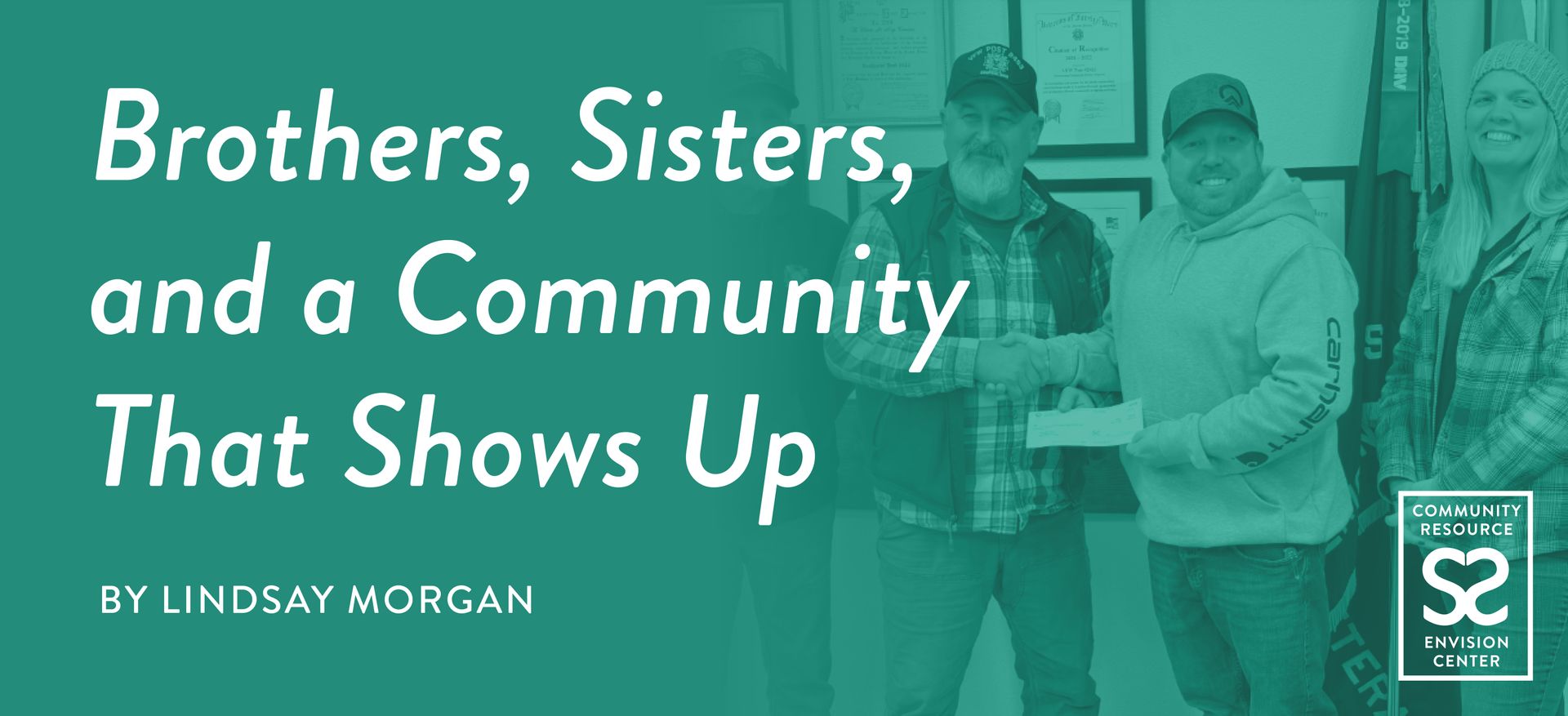
A lot of people find a new hobby or start traveling when they retire. After 30 years of military service, Jason Legler retired and found a new mission. As it turns out, not every veteran knows what resources are available to them when they trade their combat boots for sneakers. And even when they do, knowing where to start can be overwhelming. As a Community Resource Specialist for Veterans Outreach and Community Support with the Idaho Division of Veterans Services, Jason spends his days making sure veterans across North Idaho know they are not alone and that help is closer than they think.
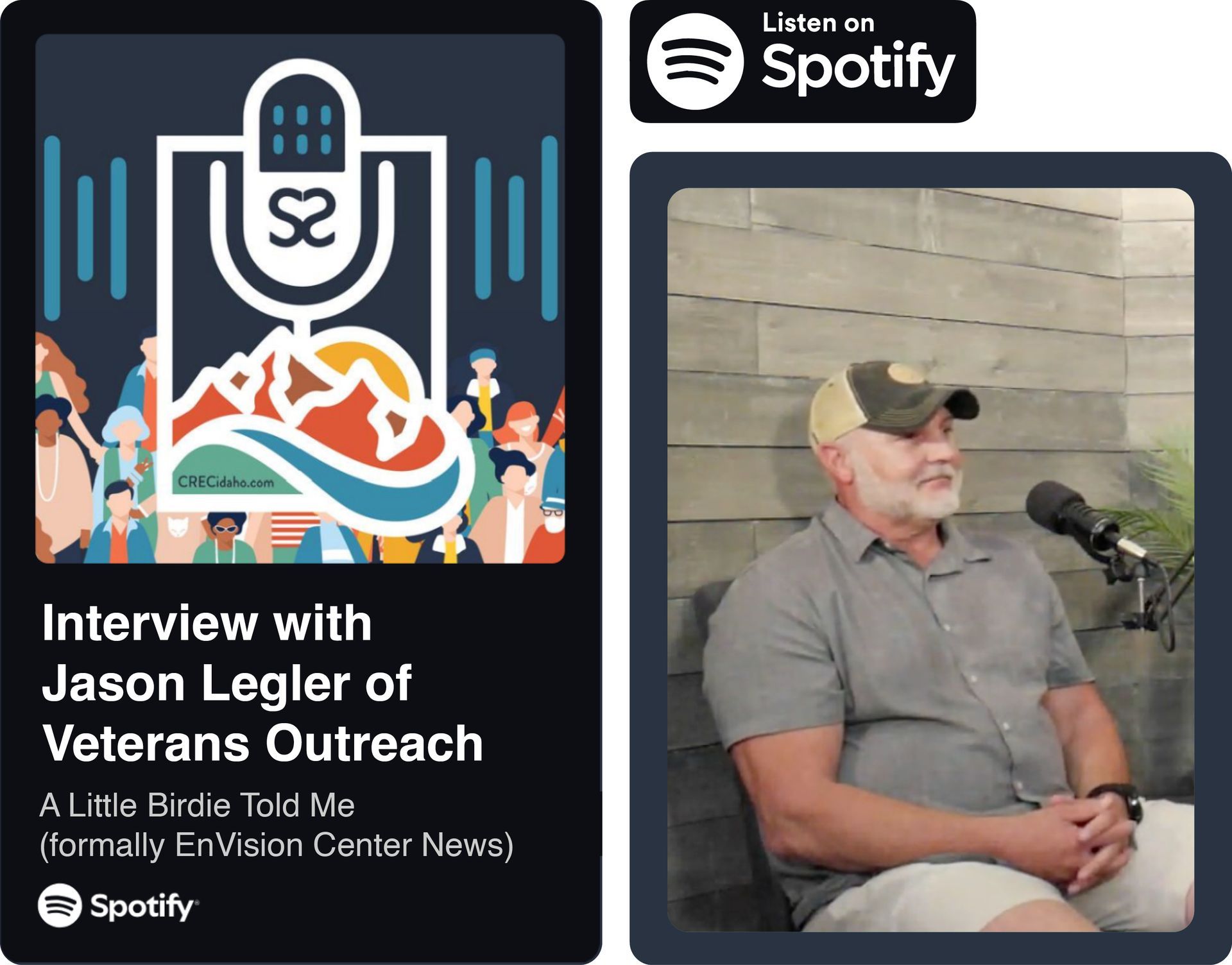
On a recent episode of A Little Birdie Told Me, I sat down with Jason to talk about the work he is doing across the northern ten counties of Idaho, from the Panhandle all the way down through north central Idaho to Grangeville. It is a big territory, and Jason covers it the North Idaho way — logging miles on back roads and showing up where he is needed.
Jason's background speaks for itself. He served 30 years between active duty and the National Guard, spending the majority of his military career as a Green Beret with Special Forces. He retired in 2021 as the 19th Group Command Sergeant Major. Like so many veterans who find their way into service work after the military, he tried simply being retired for a while and quickly realized that was not going to work for him. He got involved in veteran nonprofits in the Kootenai County area, helped start a Special Forces chapter in North Idaho, and eventually was approached about his current role with the Idaho Division of Veterans Services. He has been in the position since October of 2024 and has hit the ground running.
His role is part outreach, part resource navigation, and part relationship building. He goes where veterans are — VFW meetings, American Legion posts, community coffees and breakfasts — because he knows that the most honest conversations happen not at formal events but over a cup of coffee when someone finally lets their guard down. When veterans reach out to him directly, he listens first, helps them figure out what they actually need, and then works to connect them with the right resources. He is clear that his goal is never just to solve the immediate problem, but to help veterans get to a place where they are not back in the same crisis next month.
One of the things Jason talked about that is worth highlighting is how overwhelming the landscape of veteran resources can actually be. North Idaho has a high concentration of nonprofits, which is remarkable but can also make it hard to know where to turn when you are already stressed and struggling. Jason serves as that guide, drawing on a wide network of partners including the VFW, American Legion, Idaho Veterans Network, Disabled American Veterans, and many others to find the right fit for each person he works with.
He also spoke about something that is gaining real momentum in North Idaho: veteran outreach centers. These are community-based spaces, not government offices, where veterans and their families can access support, find resources, and simply be around people who understand. The Benewah Veteran Outreach Center is one strong example. There are others starting up in Boundary County and here in Bonner County, and Jason sees tremendous potential for this model to grow across the region.
That vision lands close to home for us. At the Community Resource EnVision Center, we are actively exploring what it would look like to build a collaborative, intergenerational community hub right here in Bonner County — a place where nonprofits, workforce programs, businesses, and community members operate alongside one another, sharing resources and infrastructure so that the organizations doing the most important work are not constantly rebuilding the wheel on their own. What Jason is describing for veterans, a connected, accessible, community-rooted support system, is exactly the kind of outcome a hub like this could help make possible. Organizations serving the same families, separated by a hallway instead of miles. If that vision resonates with you, we would love to have you in the conversation. From where I sit, this is a conversation our community needs to have, and we hope you will be part of it.
When I asked Jason what gives him hope in this work, he told me about a veteran he had been working with over a long period of time. She needed help getting her car repaired, a modest amount that would allow her to drive her disabled granddaughter to appointments and get on with her life. The process took a while. There were communication challenges and delays. But when it finally came together and she realized the help was real, she could not even get the words out. She just cried.
Her relief, Jason said, is the win.
If you are a veteran in need of support, or if you know one, Jason is reachable directly at (208) 985-6632. If you would like to get involved in supporting veterans in our community, he can also help connect you with the right organizations and opportunities. Do not hesitate to call.
This post is based on a recent episode of A Little Birdie Told Me. Listen to the full conversation to hear more from Jason Legler.
"Our big thing is we want to help — we want to put a hand up but not a hand out kind of a thing."
— Jason Legler
"I think what gives me hope is even if it's just one... you know, there's a lot of resources out there for our veterans. We just, you know, come to people like me who can help navigate to it because then it can be life-changing."
— Jason Legler
"I've seen some of the teens grow from this little to like really tall. Just sprouting up, and their achievements... it's just really a pleasure to work at the teen center."
— Karen Gibbs