A Bird’s Eye View of Community
At the Community Resource EnVision Center, our work is rooted in connection—but in practice, it looks like something more layered: listening closely, linking people to resources, and watching how a community becomes stronger when it is intentionally brought together.
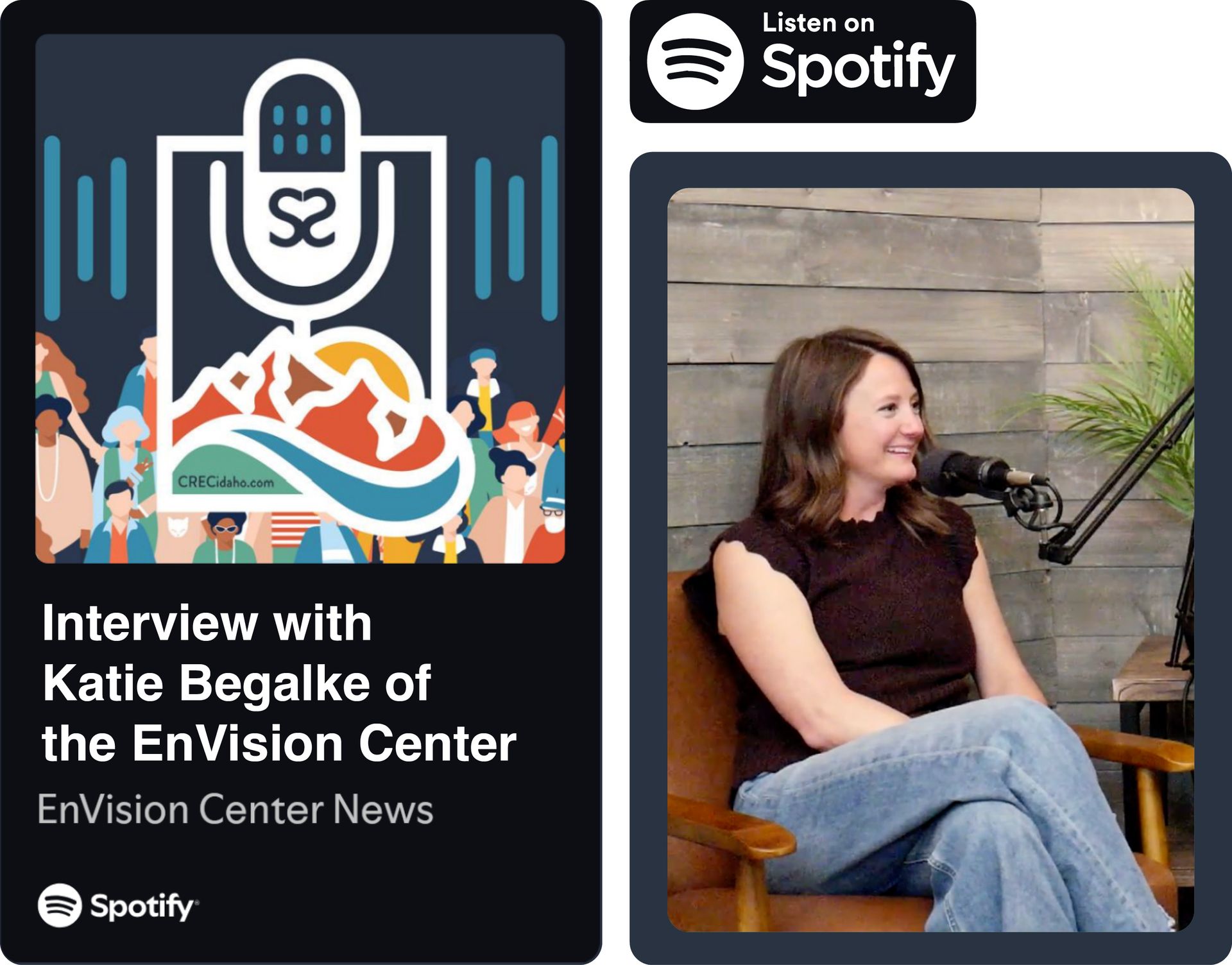
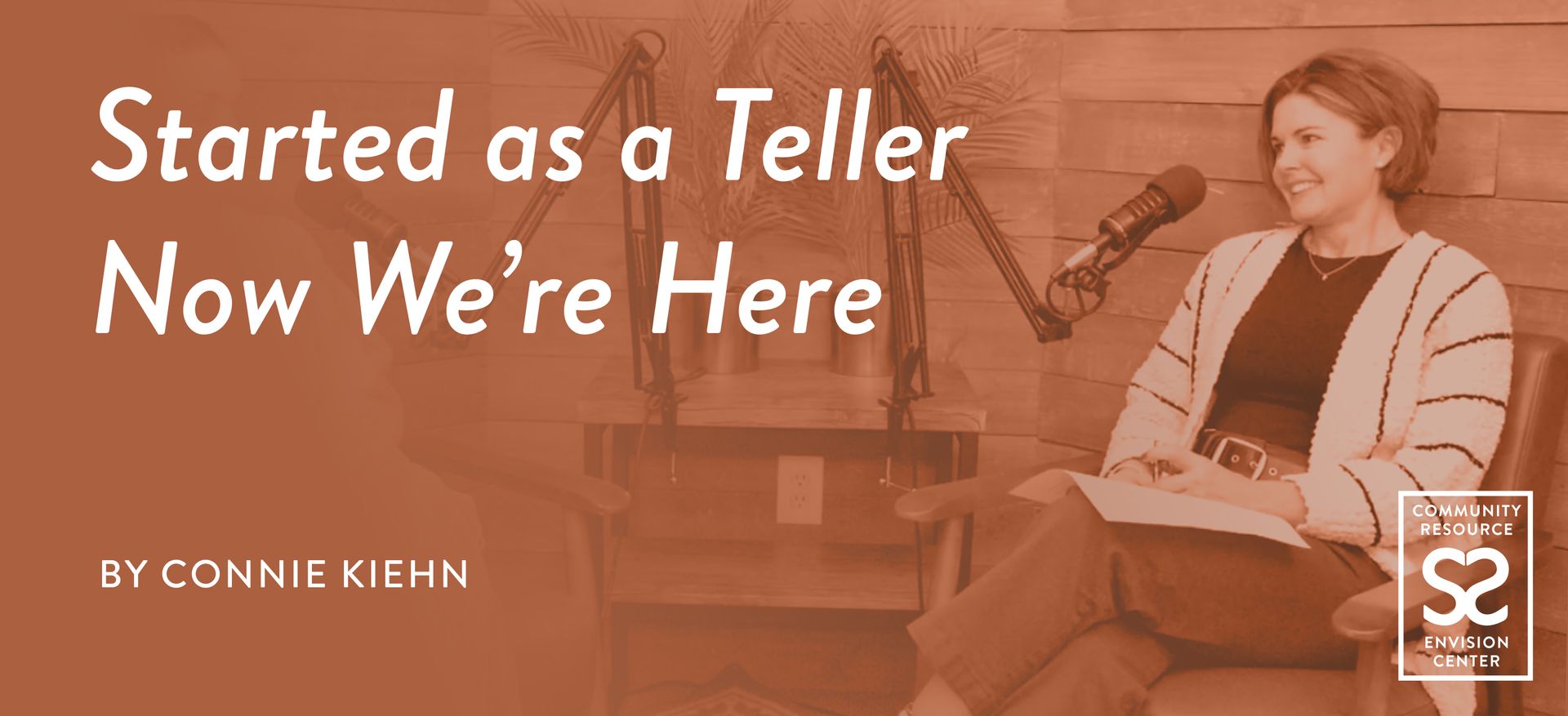
That idea came through clearly in a recent episode of A Little Birdie Told Me, featuring CREC Executive Director Katie Begalke during our 100th episode conversation.
What emerged was not just a podcast milestone, but a reflection on how community systems actually function—and what it takes to hold them together.
Because at its core, this work is about access, dignity, and ensuring people do not have to navigate life’s hardest moments alone.
“We are a navigation system for people in crisis or in need and who are navigating life’s difficult moments.”
Connection as the starting point
CREC’s mission is to “empower the community through connection, service, and support.” While broad in language, it becomes very tangible in practice—especially for individuals reaching out for help for the first time.
Many are navigating housing instability, transportation barriers, caregiving needs, or simply the uncertainty of where to begin.
And that first step is often the hardest.
As Katie shared:
“We’re building this beautiful community puzzle, and pieces are just being dumped in our laps every day. Some pieces fit quickly. Others take time. But over time, patterns emerge and so does clarity."
Why relationships matter
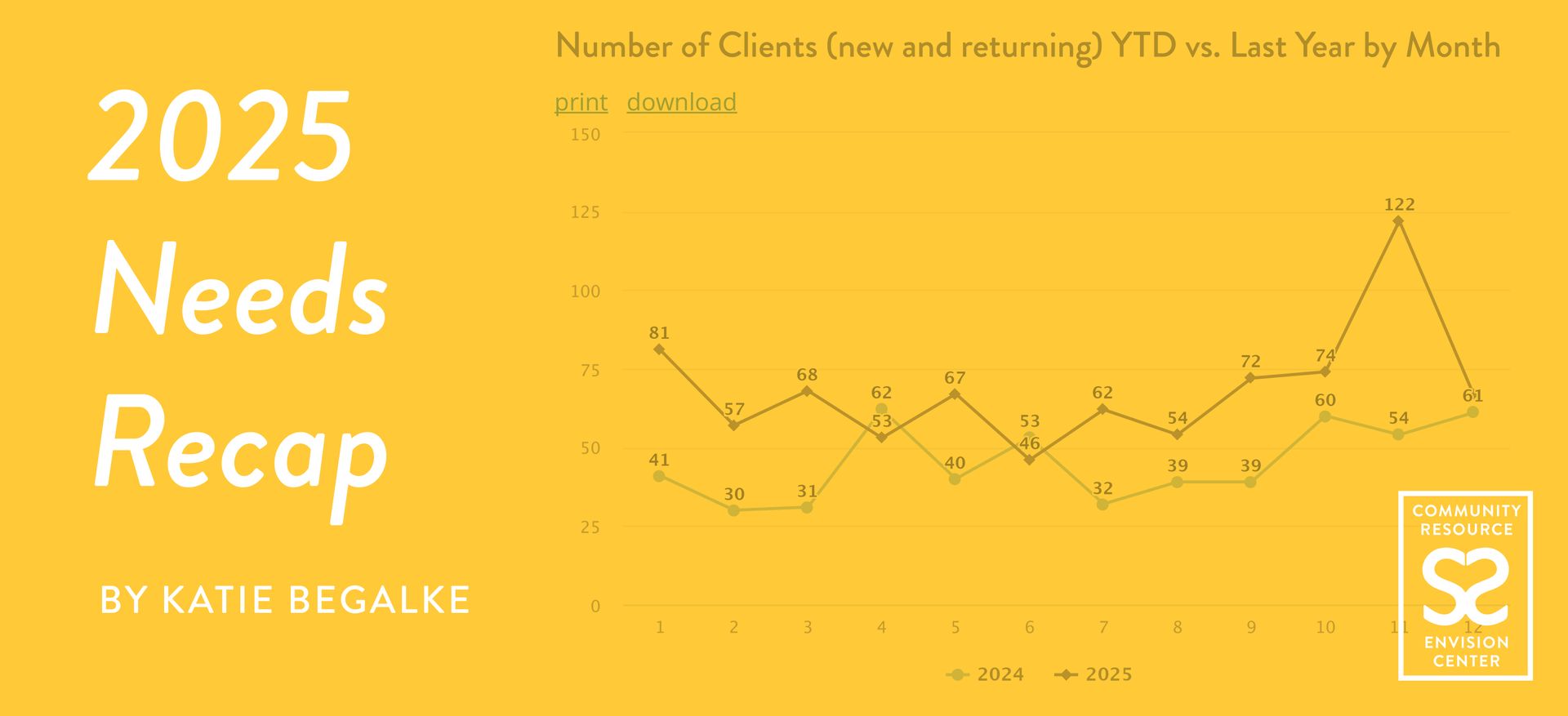
As demand for services grows, so does the complexity of need. CREC has seen a significant rise in first-time clients—people who are often hesitant or overwhelmed when seeking help for the first time.
In that space, connection becomes more than referral—it becomes trust-building.
Because most people want to help, they just don’t always know where.
“Most people want to help and they don’t know where they can help.”
This is where CREC plays a unique role: not only connecting people to services, but connecting people to each other across nonprofits, businesses, and community systems working toward shared outcomes.
“We see how one does affect the other. We’re all trying to make the community stronger and provide services.”
A vision for shared space
Much of the conversation also focused on what could be possible if community services were more intentionally co-located—reducing barriers and creating more seamless access to care.
What if support didn’t require multiple stops across town?
What if dignity was built into the experience of seeking help?
Katie described that vision simply:
“What would it look like if someone experiencing one of the hardest moments of their life didn't have to drive all over town searching for help? What if they could come to one place, have their needs met, and experience the dignity and support of an entire community?"
While still evolving, pieces of this model already exist within CREC’s shared space, where more than 35 partners operate under one roof.
The role of curiosity
At the center of it all is relationship-building—not as a supporting function, but as the foundation of the work itself. Katie reflected on the idea that she doesn’t feel the pressure to actually have to have all the answers, but finds it more important to be brave enough to keep asking the questions, and inviting the right people to the table.
That curiosity—staying open, listening closely, and following where connection leads—is what allows the work to grow beyond any single plan.
Closing
As A Little Birdie Told Me reaches its 100th episode, it continues to serve as more than a podcast. It is a reflection of the community it represents—one that is still evolving, still asking questions, and still building systems that make support more accessible.
Because at the end of the day, this work is not about having everything figured out.
It is about building something strong enough to hold people while the answers are still forming.