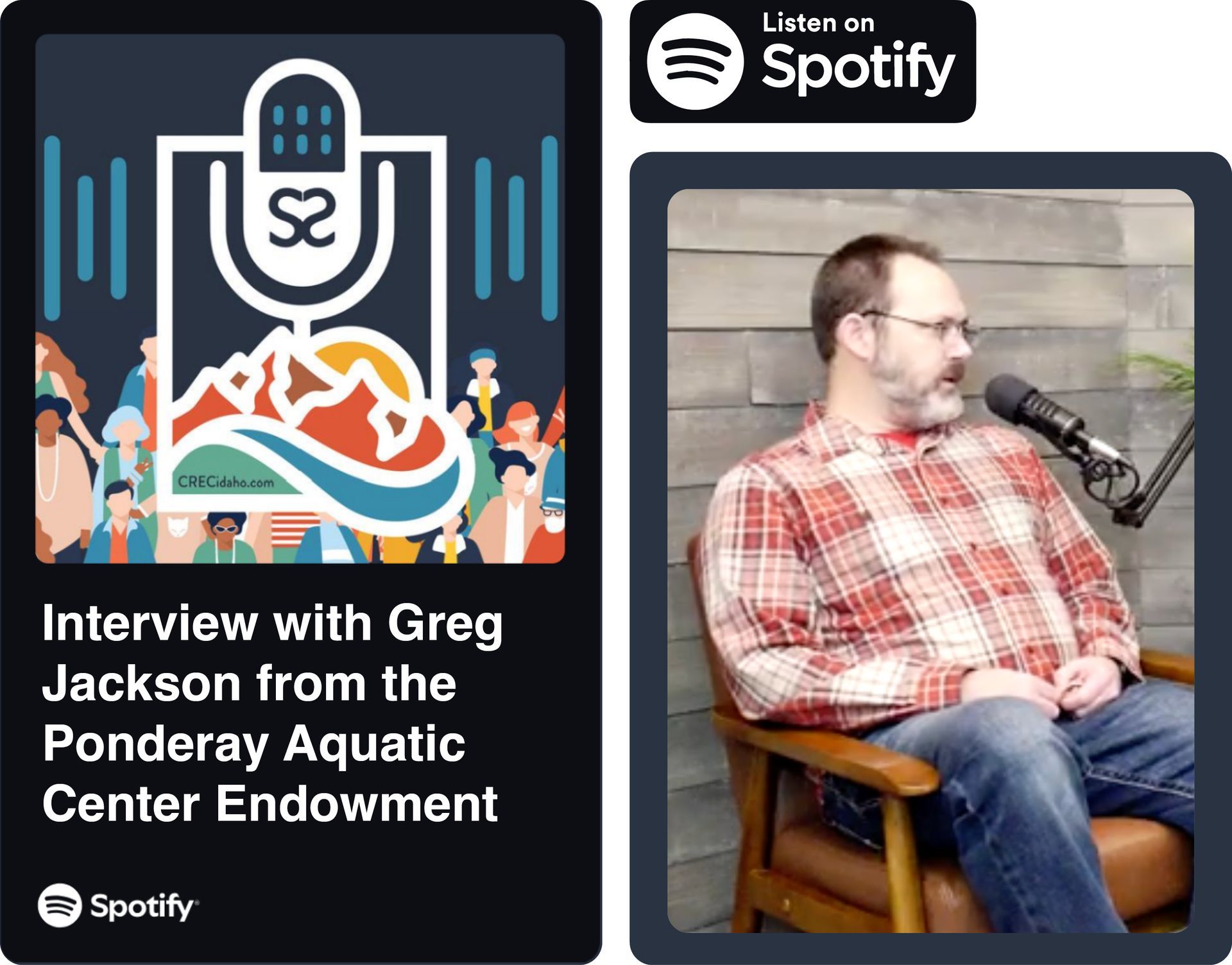
Greg Jackson has called Sandpoint home for more than 30 years. A graduate of Sandpoint High School, he grew up as a competitive swimmer before transitioning into coaching, a role he has held for nearly two decades. As head coach for the past eight years, he has led his teams to multiple state championships. Reflecting on his work, Greg simply says, “I enjoy what I do,” a statement that captures both his humility and his commitment.
Outside of coaching, Greg is a husband, father of three, and co-owner of a restoration business specializing in fire, flood, and mold recovery.
From Spark to Movement
The idea for a new aquatic center began with a push from local leaders Mike DiBenedetto and Joan Bloom.
Greg explains, “Dr. DiBenedetto ordered a feasibility study, got that done, and then he put a bunch of us together. Ask who wants to be involved in this, and then put a board together.”
That initial step turned an idea into action. With early planning, nonprofit formation, and community
conversations underway, the project quickly gained momentum. Despite the success of the local swim program, the YMCA cannot meet the region’s needs.
“Other teams refuse to come to our facility to compete because it’s so shallow,” Greg points out.
The limitations extend beyond competition. The region is surrounded by water, yet lacks a safe and controlled environment for training.
Greg explains, “Our sheriffs and our EMTs really have no way to train in any body of water that’s actually safe.”
A feasibility study confirmed the gap. Within a 100-mile radius, the region is short at least four aquatic facilities.
A Vision That Keeps Growing
What started as a plan for a pool has grown into a much larger vision. Today, the concept includes aquatics, ice facilities, and a flexible community space.
Greg describes the evolving mindset clearly. “There are opportunities, and until this thing’s actually built, we want to put whatever we can in it.”
The plan now includes two pools, an indoor ice rink, an outdoor skating area, and a fieldhouse that could serve multiple purposes including sports, events, and even emergency shelter. At the same time, the team is thinking strategically about how to build it.
“We are trying to plan this so that this can be done in chunks,” Greg says.
Each component can be developed in phases, allowing progress even if funding comes in stages.
Smart Design, Real Impact
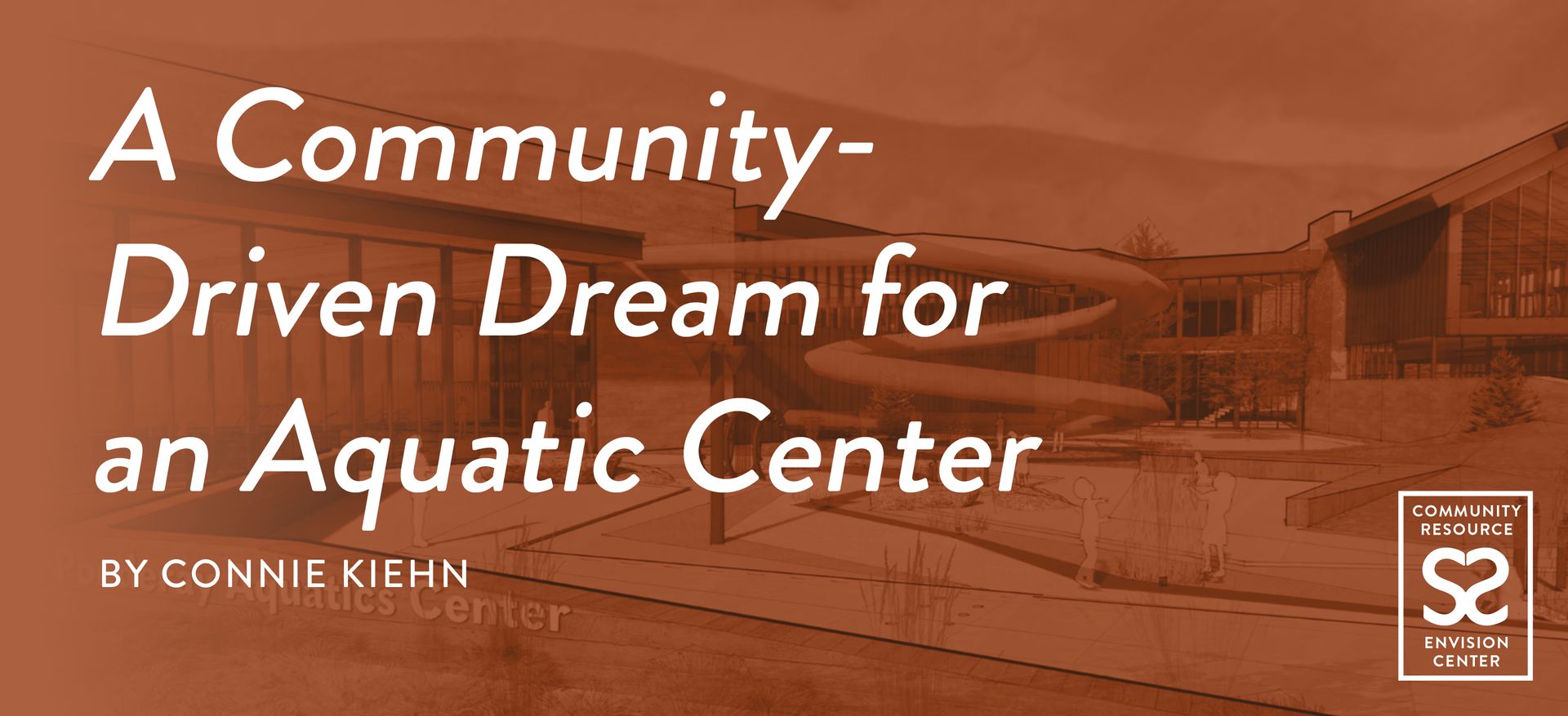
The aquatic center itself is being designed to serve a wide range of users. The plan includes two separate pools to meet different needs.
“We have designed two separate pools,” Greg explains. “You have your zero-level entry, your walking area for rehab or elderly people, and then we have our large competition pool with spectator seating, diving wells, and deep water.”
This approach ensures that families, seniors, athletes, and first responders all have access to appropriate spaces. There is also a financial strategy behind the design.
“A pool doesn’t make money,” Greg says. “Ice does.”
By pairing aquatics with an ice facility, the project creates a more sustainable model. Even the energy systems work together, with heat generated from ice operations helping to warm the pools. A project of this scale requires significant funding, and the team is realistic about the challenge.
“We’re talking millions and millions of dollars,” Greg says.
Their approach focuses on visibility and community support.
“Our attack right now is publicity. Get the word out there. This is what we’re doing.”
They are also pursuing grants and planning future fundraising efforts, including a golf tournament. At the same time, they are inviting everyday community members to get involved.
“Definitely getting the word out,” Greg says. “If somebody wants to go hand out flyers, just drive around and put flyers in people’s offices, we would take that help today.”
One of the most important aspects of the project is its community focus. Greg emphasizes that input is not only welcome but necessary.
“If there is something that you think is needed in this facility, we want to know that,” he says. “We want to make sure that we can accommodate the community’s needs. That’s why we’re doing this.”
This mindset ensures that the final result reflects the people it serves. From accessibility features to
programming ideas, every voice helps shape the outcome. There is no fixed timeline yet, and Greg is honest about the uncertainty.
“It is hard to tell,” he says. Still, the project is gaining traction through meetings, partnerships, and growing awareness.
The long-term plan is to build the facility and ensure it is financially sustainable, then pass operations to an organization equipped to manage it.
“Our goal is not to run a facility,” Greg explains. “We want to get it constructed and then hand it off to somebody else to run.”
A Shared Vision for the Future
At its core, this project is about more than buildings. It is about creating a space where people can gather, grow, and support one another.
Greg sums it up best. “The big thing is the dream is for the community.”
That vision continues to grow with every conversation, every idea, and every person who chooses to be part of it.