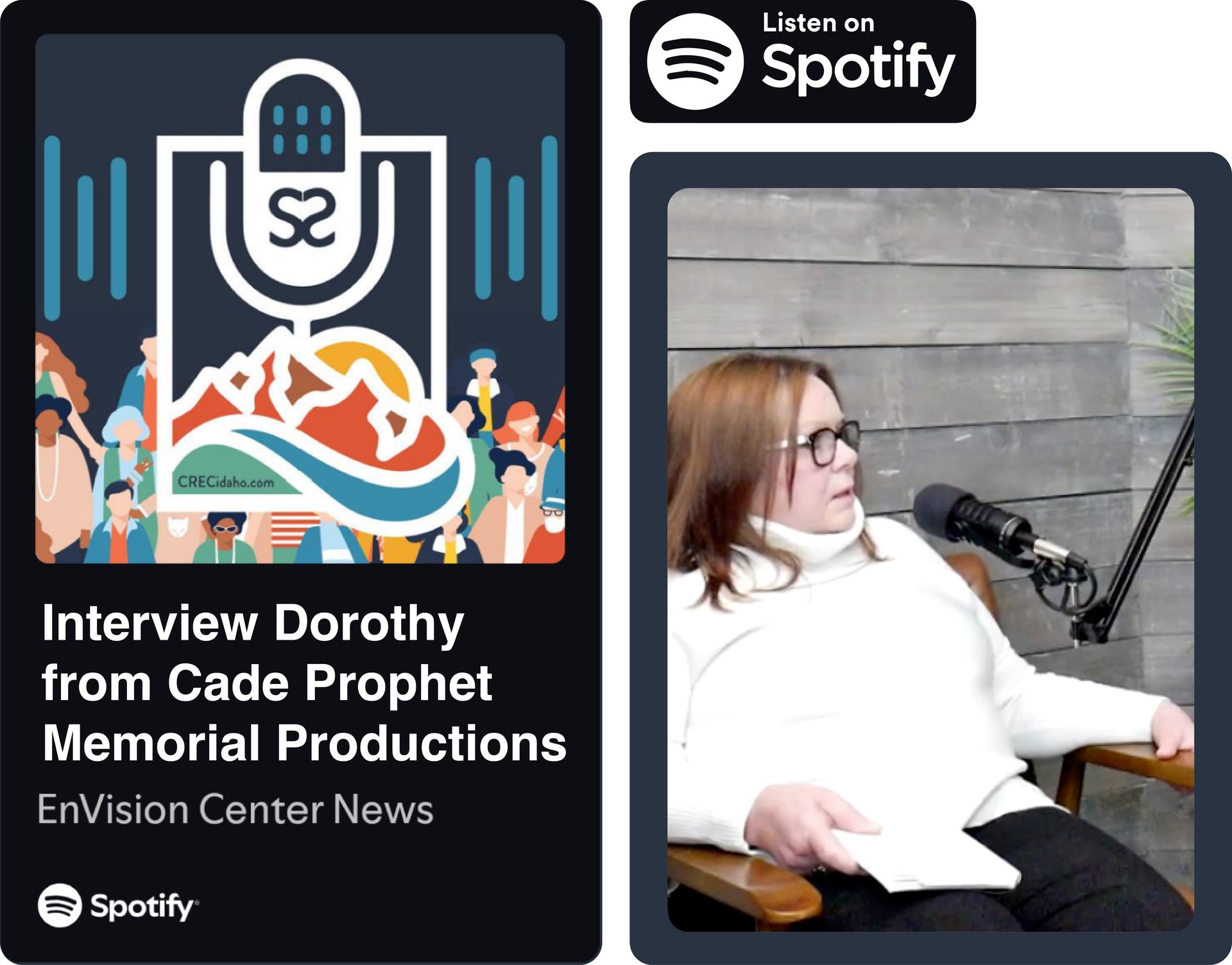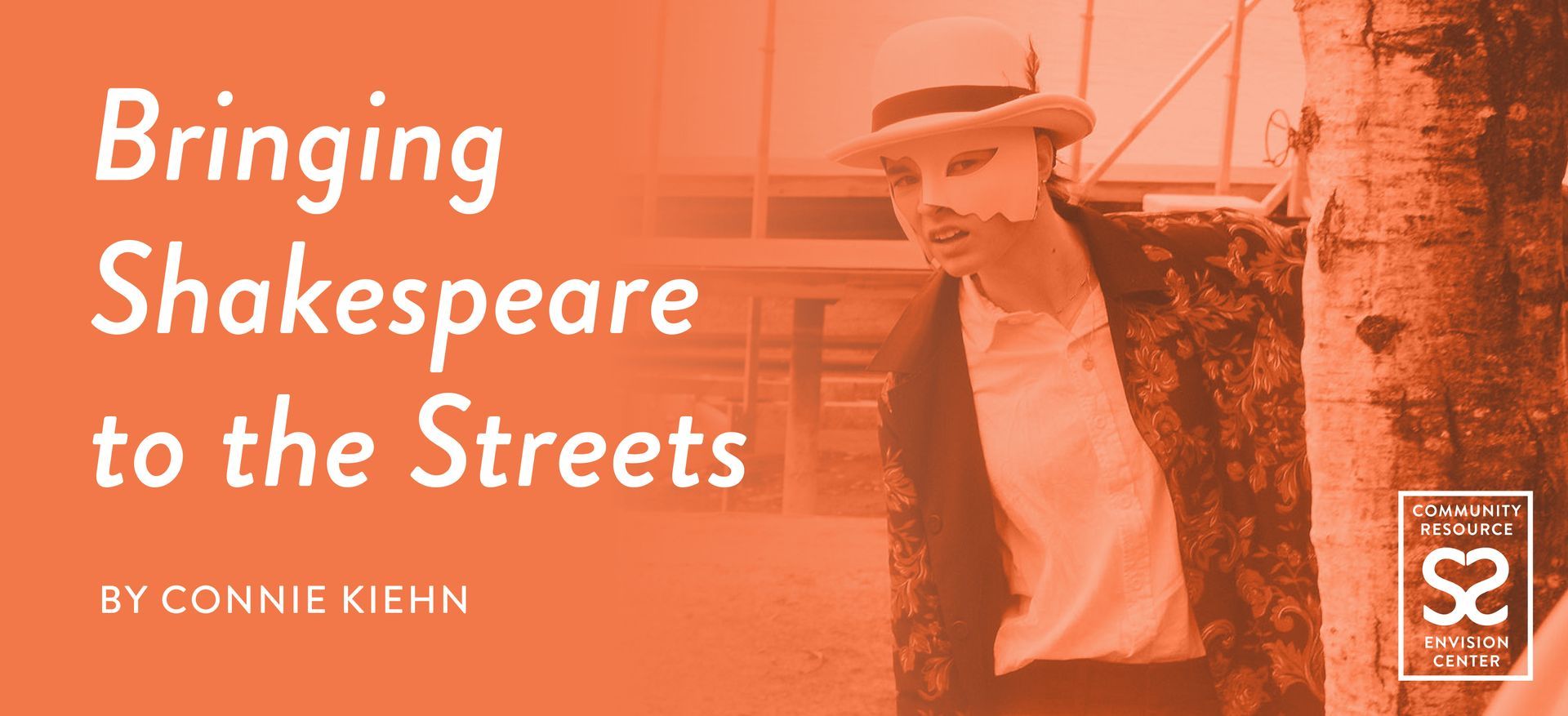

Dorothy Prophet was raised on Broadway so it comes as no shock that theatre and the performing arts generally are a huge part of her life. Born in New York City, her father was a firefighter, and after her parents divorced, she grew up between two very different worlds. She spent the school year in Montana with her mother and her summers in New York with her dad. Those summers shaped her life.
“My dad would take me to the theater all the time,” Dorothy says. “I was just enamored with it.”
After high school, Dorothy chose a somewhat unconventional path. College did not appeal to her. “To me that just seemed like a high school with ashtrays,” she says with a laugh.
Instead, Dorothy auditioned for a traveling nightclub band. She got the job and spent five years on the road, singing in bars across the country. When the band eventually broke up, she settled in Seattle, one of her favorite stops along the way. Like many artists, she pieced together work to survive. She bartended, waitressed, and kept singing and performing when she could. She eventually married and had children while doing community theatre on the side when she could.
Dorothy ended up in Sandpoint almost by accident.
“One day my son came home from preschool and said that he had to have Nikes,” she recalls. “He said, ‘I can’t have just regular shoes. I have to have Nikes.’”
That moment hit her hard. It was not really about the shoes. It was about values. She and her husband realized they did not want their children growing up in a culture where status and brand names carried so much weight. Soon after, while driving back to Seattle from a trip to Montana, they passed through Sandpoint. The kids were misbehaving, so they pulled over and ended up staying a few days.
Those few days were enough. They decided to move to Sandpoint and made it happen about a year later, in 1994. She’s been here ever since.
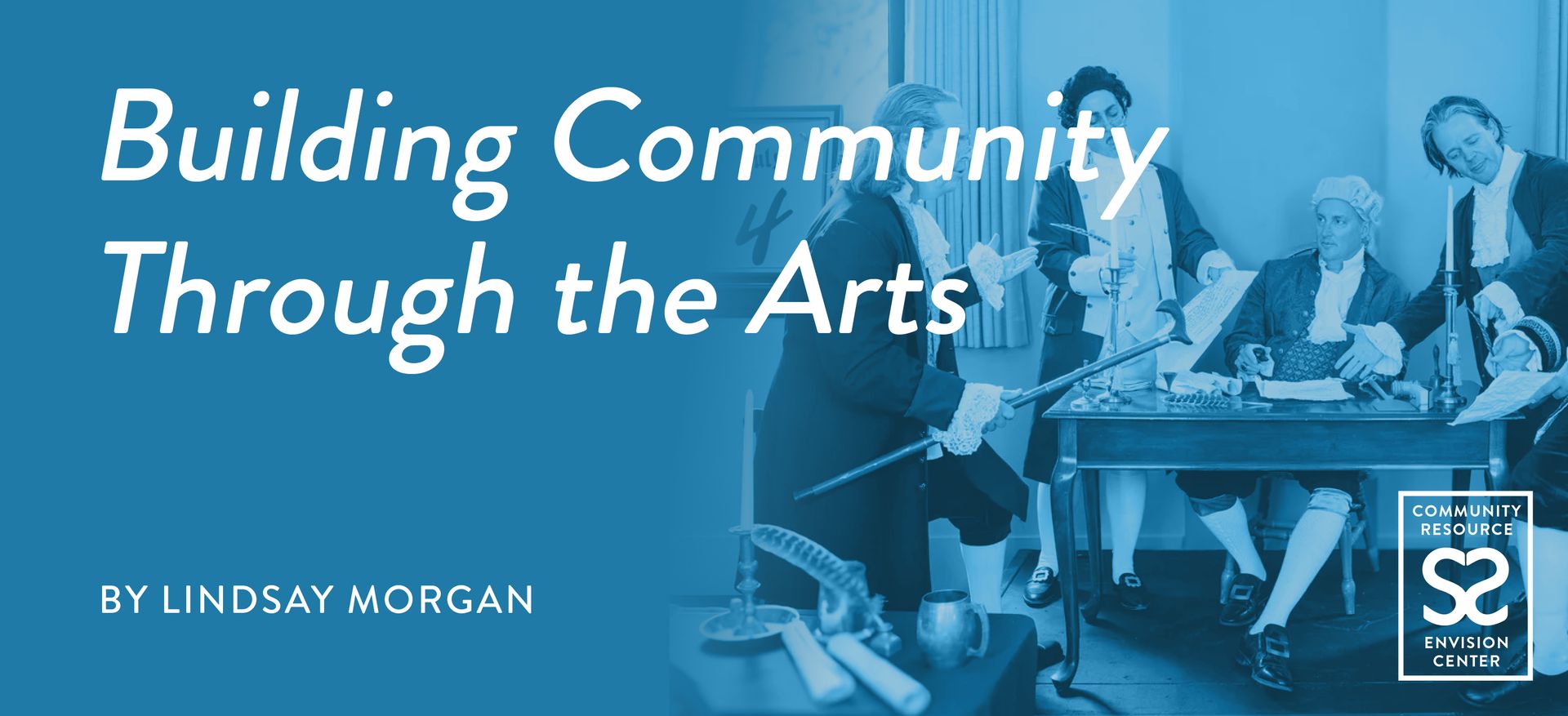
While in Sandpoint, she became involved with a long-established local company called Unicorn Players. She eventually served as vice president. As her children grew older, she shifted to directing more.
“I found that I really liked directing,” she says. “Unless there was a part that I absolutely loved, I was going to volunteer to direct.”
Dorothy was not interested in putting on shows simply for light entertainment.
“To do a show that’s purely for the entertainment of it is a waste of time for me,” she explains. “I want something that makes people laugh, but also makes them think or makes them cry.”
Dorothy’s life changed forever when her son, Cade, died in an accident. The grief was overwhelming.
“When you’re steeped in that much grief, you have a couple of options,” she says. “You can shut it all down and do nothing. You can go even more inward.”
Instead, Dorothy chose to create.
“I thought, shutting down is not honoring his life and what he stood for and who he was,” she explains. “What can I do to honor him?”
The answer was theater.
She founded Cade Prophet Memorial Productions in his memory. The organization produces intimate, thoughtful plays and donates proceeds to Better Together Animal Alliance in Cade’s memory. When Dorothy’s children were young and money was tight, they would visit the animal shelter for something inexpensive to do. They read to the animals and spent time with them. Cade affectionately called the animals “the inmates.”
“Up until just weeks before he passed away, whenever he would come back to Sandpoint, he’d say, ‘Hey mom, let’s go see the inmates,’” she explains.
Today, her biggest challenge is not finding actors or scripts. It is finding space. Sandpoint has seen many theater groups come and go since she moved there in 1994. Venues are limited and often expensive. She dreams of a small, dedicated performance space in town, something intimate and accessible.
Dorothy’s vision is not about applause or prestige. It is about connection, emotion, and honoring her son’s life in the most meaningful way she knows how. Through every script she reads and every show she stages, Dorothy is still doing what she learned to love as a child in New York. She is stepping into a theater and inviting others to feel something real.