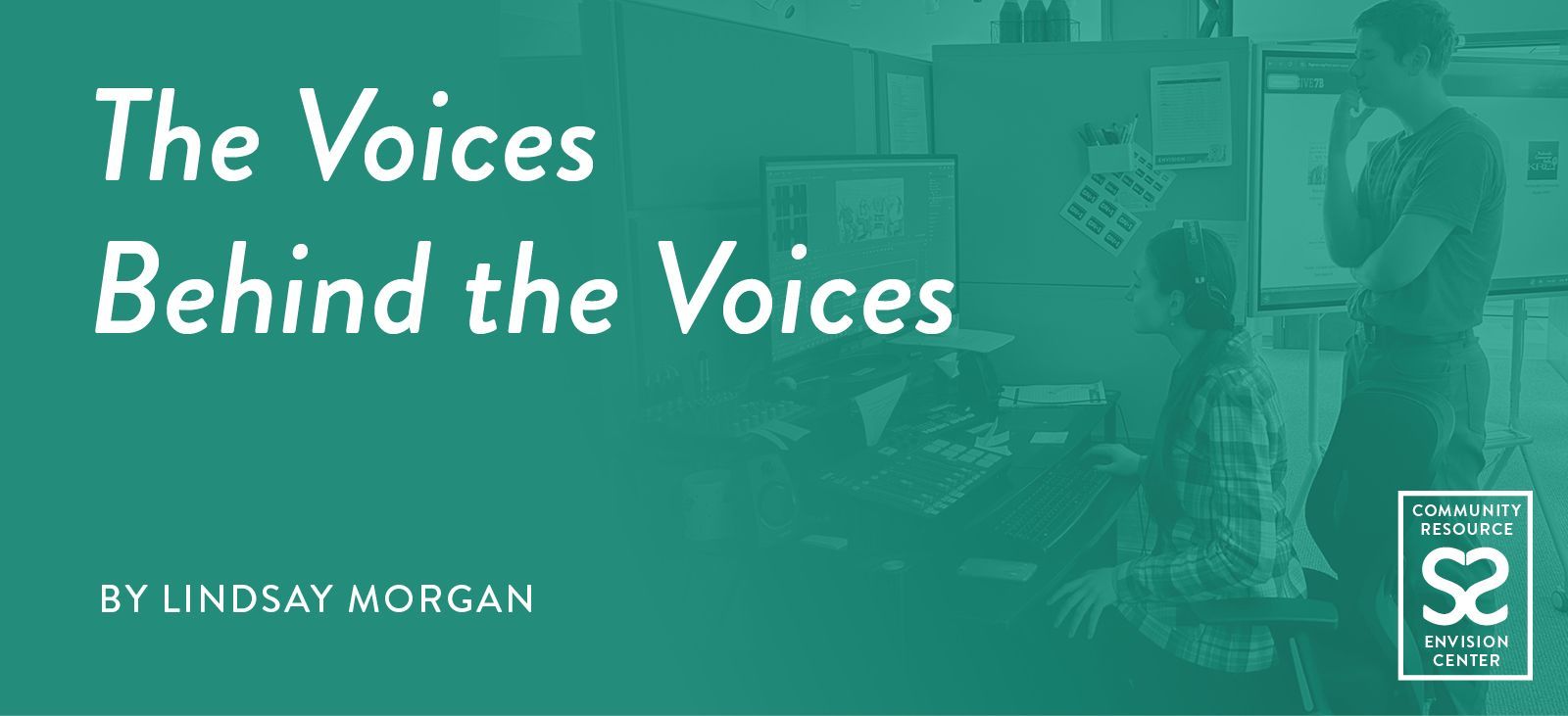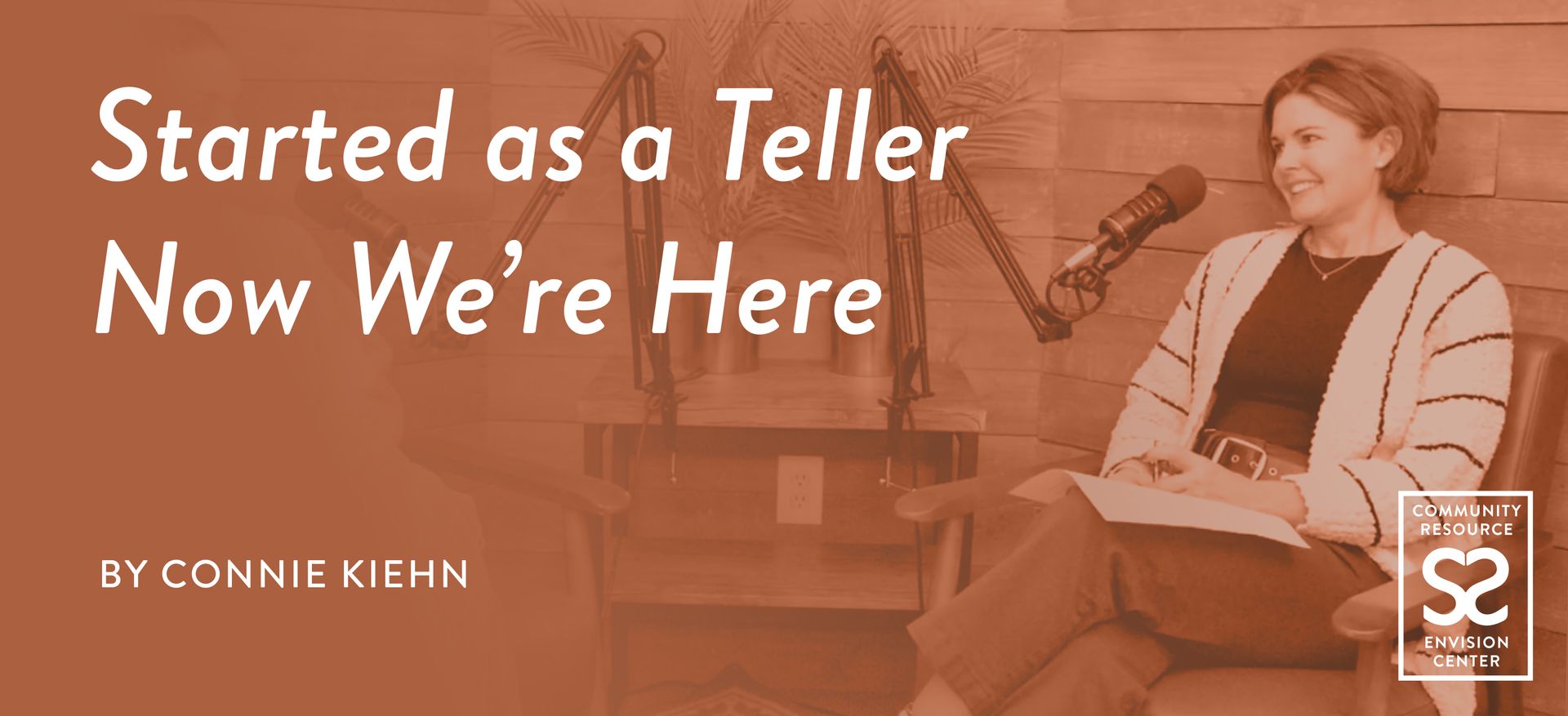
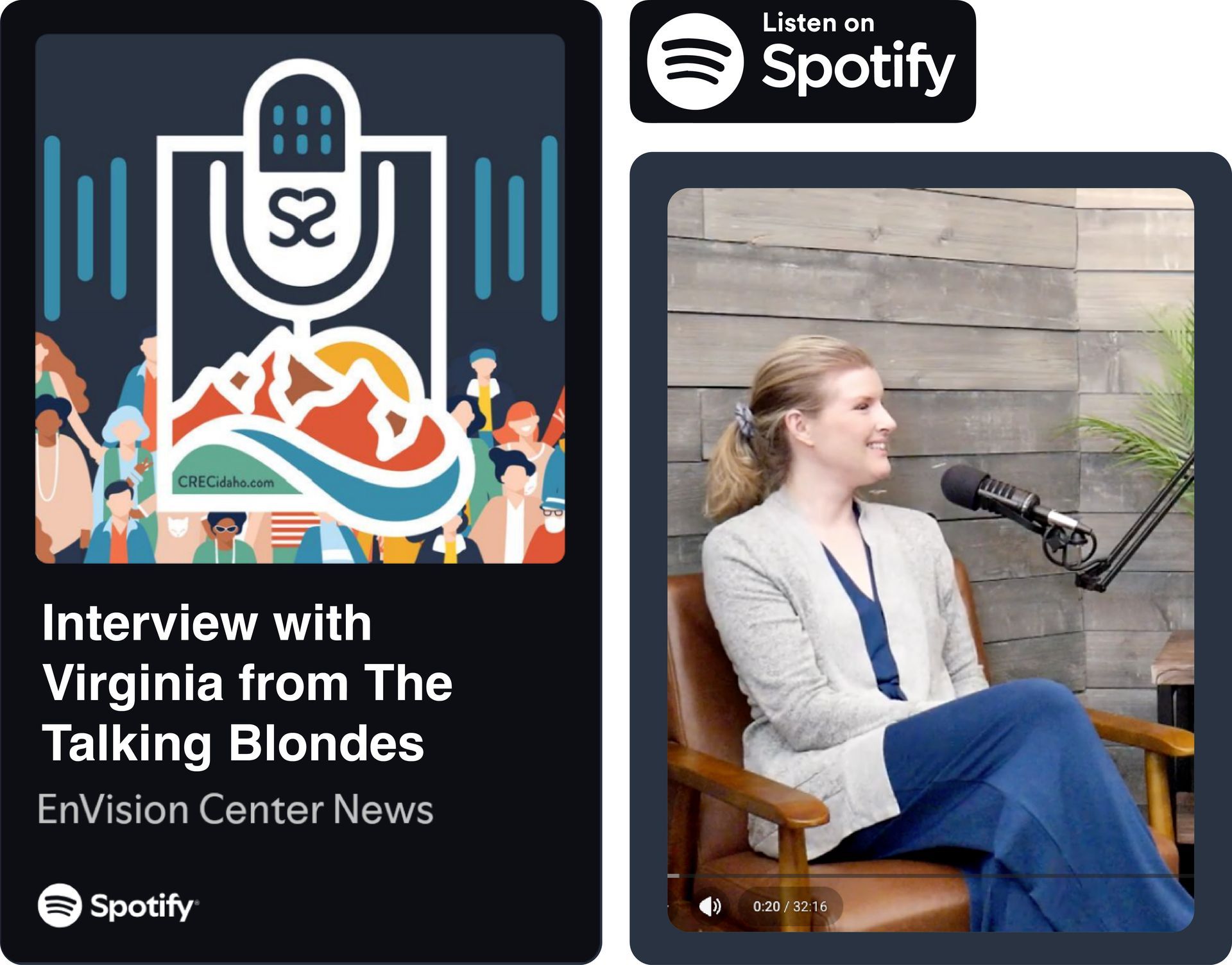
Talking Blondes Podcast

Originally from Florida, Virginia always felt pulled toward something. She just didn’t know what that something was. This desire led her to make a move to New Hampshire in her late twenties, a decision that would shape everything that followed. For the first time, she was fully on her own.


Instead of living by others’ expectations, she focused on a bigger question: what does Virginia want?


“It was one of the best things I did for myself,” she says. “And also the scariest.”


While living in New Hampshire, Virginia met her future husband in an unexpected way, on Instagram. Her marriage brought her here. Virginia had dreamed of living by mountains since childhood, North Idaho immediately felt like home. But with her dream location came new challenges. Marriage, step-parenting, and building a life with someone else pushed her to confront parts of herself she had not fully explored.


“My relationship became a mirror,” she says. “It showed me the things I was avoiding.”


With a new marriage she was learning to navigate, Virginia dove deeper into personal development. She explored inner child healing, listened to podcasts, and began working with life coaches. Through hiring a life coach, she not only processed her past, she gained clarity on how to move forward. Eventually, that experience inspired her to become a life coach herself. Today, she helps women navigate relationships, identity, and personal growth, guiding them back to themselves while building a path forward.


What Is Life Coaching, Really?

Life coaching can feel vague to many people, and Virginia acknowledges that it is a broad field.


“It’s kind of the Wild West,” she jokes.


At its core, coaching is about forward momentum. While therapy often focuses on understanding the past, coaching emphasizes building the future. It focuses on creating actionable plans and aligning your life with what you truly want. Virginia sees coaching as a complement to therapy, not a replacement.


“It’s like a next step,” she explains. “You’ve done some healing, and now you’re ready to build.”


You Don’t Need All the Answers

A common misconception about coaching is that you need to have a clear goal before you start. Virginia says that’s not true. In fact, some of the most powerful transformations begin with uncertainty.


“I don’t know what I want, but I know this isn’t it. That’s enough,” she says.


That space of not knowing can become an opportunity to create something entirely new. So how does someone know if coaching is right for them? Virginia points to one simple starting point: curiosity.


“It really begins with genuine curiosity,” she explains, “and being in a season of life where you are open to trying something new.”


Many coaches offer free consultations, giving people a chance to explore what they want and whether the fit feels right. And fit matters.


“It’s about finding someone you connect with,” she adds. “Someone you feel comfortable opening up to.”


Building “Talking Blondes”

After becoming a life coach, the idea of starting a podcast struck Virginia. But the vision didn’t become clear until she found her perfect partner in her now bestie, Caitlin. Though they were friends beforehand, interestingly, Caitlin was one of her first coaching clients. Their conversations were so engaging and natural that starting a podcast felt like the obvious next step. After about a year of planning, Talking Blondes launched.


The show blends mental health, personal growth, and everyday life with a tone that feels like two friends talking over coffee. Some episodes tackle heavier topics like narcissistic relationships, while others explore lighter themes like pop culture. Episodes are long-form, often one to two hours, designed for listeners who want to really sit with a conversation.


“It’s like being at a table with us,” Virginia says.


The podcast releases every other week, with each host taking turns leading discussions and bringing their own perspective. What started as a creative project is now becoming something bigger. Virginia and Caitlin are building a community, both through their listeners and by planning to feature guests, including women entrepreneurs and voices from their local networks. Even without heavy promotion, the podcast has gained steady traction, with hundreds of streams and a growing audience. But what matters most is not the numbers. It is the impact.


“When someone messages us and says an episode meant something to them,” Virginia says, “that’s everything.”


Virginia’s story is a reminder that growth takes time, and it does not happen by accident. Whether through coaching, self-reflection, or simply being open to change, the path forward often begins with a simple question:


What do I actually want, and am I ready to go after it?


Find the Talking Blondes on Social Media:

Talking Blondes Instagram: talkingblondespod
Talking Blondes YouTube: Talking Blondes Podcast
Virginia Herb Coaching:
www.virginiaherbcoaching.com
June 1, 2026
Beyond the Sale: Inside the Selkirk Association of REALTORS® Real estate in North Idaho is often viewed through listings, prices, and market trends—but behind every transaction is a network of professionals supporting buyers, sellers, and the broader community. Recently, Stephanie Rief, Dyno Wahl, and Fabiola Ferris, leaders from the Selkirk Association of REALTORS® shared insight into their work during our podcast in our studio, the local housing market, and the impact of their organization well beyond real estate. A Professional Network with Community Roots The Selkirk Association of REALTORS® is a member-based organization supporting real estate professionals through education, standards, and industry resources, including oversight of the Multiple Listing Service (MLS). Members include realtors, brokerages, and affiliate partners such as lenders, inspectors, and title companies—creating a connected system that helps transactions move more efficiently. Stephanie Rief, Executive Director of the Association explained, the MLS used to be books realtors used to physically carry around town. Now it’s all at their fingertips. A Shifting North Idaho Market North Idaho continues to see steady demand, shaped by both in-state movement and relocation from other states. The Association representatives noted that a significant share of buyers come from within Idaho (about 70%), while many others are arriving from out of state. Affordability remains a challenge for first-time buyers, even as conditions have shifted away from the peak pandemic market. “The market isn’t as intense as it was—it’s more of a conversation now between buyers and sellers,” Dyno Wahl, this year’s association president shared. Homes that are well-priced and well-prepared continue to move quickly, while overpriced or outdated homes tend to sit longer. Interest rates continue to play a major role in pacing and buyer confidence. What Buyers and Sellers Need to Know Preparation is critical on both sides of a transaction. Fabiola Ferris, realtor and Association President Elect emphasized that buyers who are pre-qualified makes all the difference. Without that, buyers riskShe also working outside their budget creates frustration for everyone involved. On the seller side, pricing strategy is just as important. Well-priced homes often attract immediate attention, while overpricing can extend time on market even in active conditions. The Work Behind the Commission The conversation also highlighted common misconceptions about realtors and their work. “There’s a misconception that realtors just make money hand over fit on every deal,” Rief said. “…but what they don’t understand is when a deal doesn’t close, they don’t get paid. They are taking a risk as well.” Agents often invest significantly upfront in marketing, photography, and listing preparation—without guaranteed return. Many also operate as independent contractors, managing unpredictable schedules and long client timelines. “We’re self-employed just like small business owners,” Wahl added. Realtors don’t get a regular paycheck, and invest in building everything from the ground up. And while the flexibility can be a benefit, it often comes with after-hours work, urgent negotiations, and constant availability. The group joked about the reality of the profession, noting that the day-to-day work is far more likely to involve hiking boots or Birkenstocks than stilettos, despite outside perceptions. More Than Real Estate: Community Impact Beyond transactions, the Association plays an active role in community support through grants, volunteer work, and fundraising. Funds raised through events like the annual golf tournament are reinvested into local nonprofits, emergency services, youth programs, and community infrastructure projects across North Idaho. The team spoke about what makes the Sandpoint area so special and livable, pointing to the many nonprofits, events, and community efforts that shape life in the region. “We live in this community, and we love this community and we are selling that it’s a great community. We want to put our money where our mouth is.” Wahl explained. Members also participate in community events, financial literacy programs for students, and local service initiatives that extend far beyond real estate. Ambassadors for North Idaho A recurring theme in the conversation was the role realtors play as community ambassadors and trusted advisors. The Association shared that it’s not just about selling a home—it’s about helping people understand where they’re choosing to live. Sometimes that means helping clients realize a community is the right fit. Other times, it means helping them recognize when it isn’t. Fabiola Ferris added, “Selling where you’re going to live is as important as selling the home.” That level of honesty, they noted, is central to building long-term trust with clients and strengthening the region as a whole. Looking Ahead As the Association continues its work, its focus remains on professionalism, community engagement, and supporting both members and the region they serve. While the market continues to evolve, their role remains steady: helping people navigate one of life’s biggest financial decisions with clarity, care, and integrity.
By Katie Begalke June 1, 2026
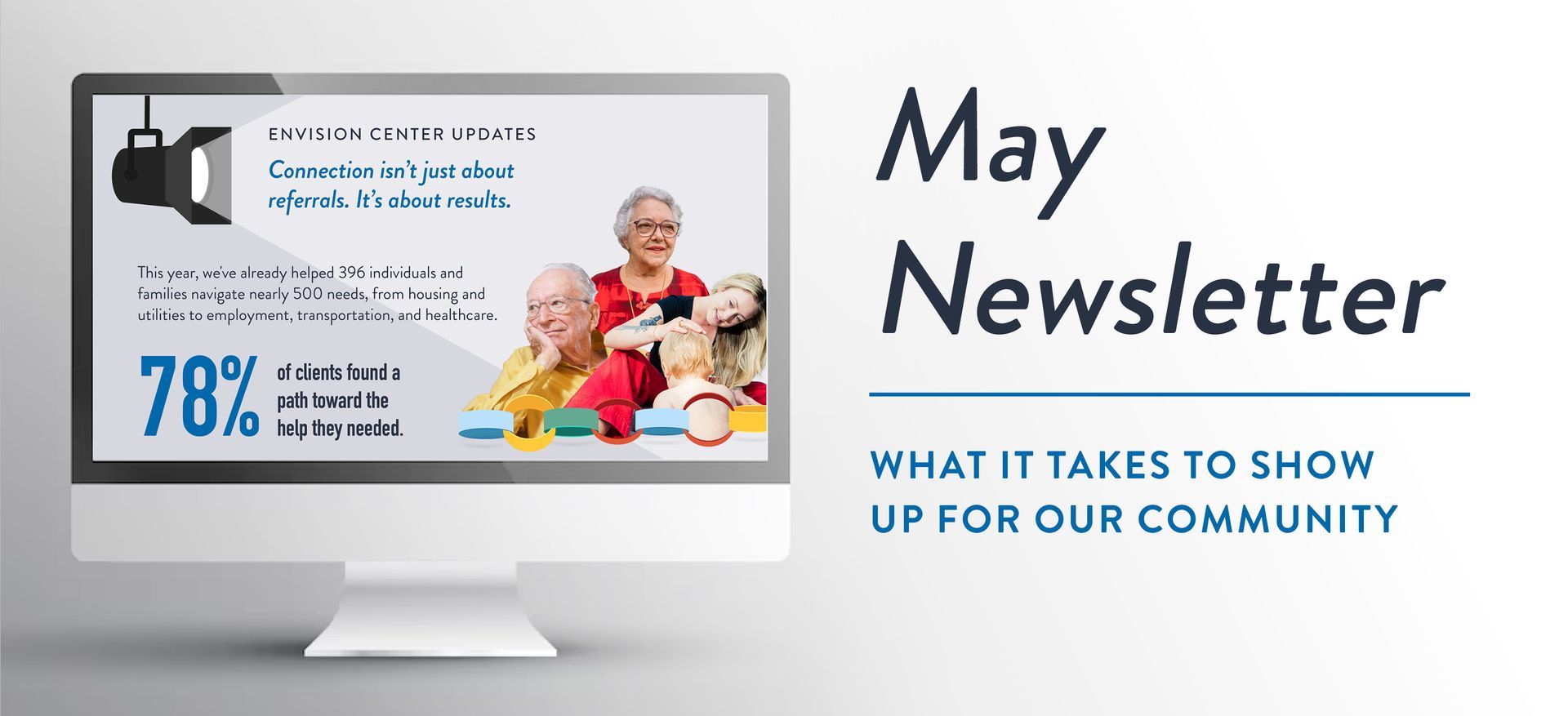
The Connections That Make a Community Communities are often measured by their population, their economy, or the projects taking shape around them. But the true strength of a community is harder to measure. It's found in the relationships between neighbors. The partnerships between organizations. The conversations that bring people together. And the shared belief that when challenges arise, no one should have to face them alone. Looking back on May, one theme emerged again and again across Bonner County: connection. We saw it through Live Give 7B , where hundreds of donors, businesses, volunteers, and nonprofit organizations came together to raise more than $318,000 for local causes. While the dollars will support important work throughout the year, the greatest impact may be the reminder that generosity is strongest when a community acts together. We saw it in conversations about wildfire preparedness . Long before the first evacuation notice is issued or the first emergency shelter opens, communities begin building resilience through planning, partnerships, and preparation. The ability to respond during a crisis is often determined by the connections that exist before one occurs. We saw it in the growing conversation around community spaces. From the library expansion and the Cedar Street Bridge to the Aquatic Center, Historical Society, CTE Center, and Community Hub, these projects share a common purpose. At their best, they create opportunities for people to gather, learn, collaborate, and belong. They become places where connection happens. At the Community Resource EnVision Center, we see this every day. Behind every successful referral, every housing placement, every job connection, and every solved problem is a network of people and organizations working together to help someone move forward. Progress rarely happens in isolation. Neither does community. As Bonner County continues to grow, the opportunity before us is not simply to build more programs, services, or buildings. It is to strengthen the connections between them. Because the strongest communities aren't defined by any one organization, project, or initiative. They are defined by how well those pieces work together. And that may be the most important investment we can make in our future.
May 15, 2026
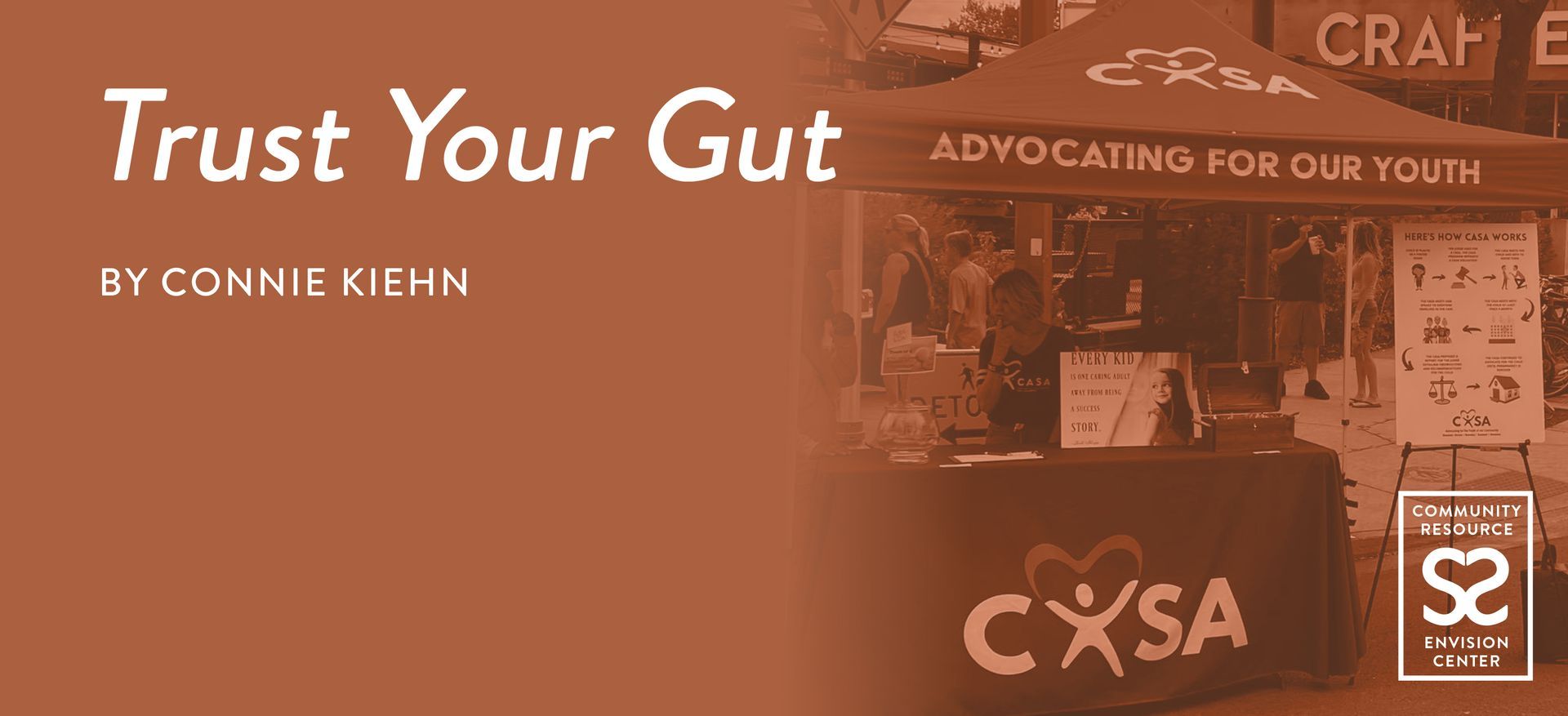
For children experiencing abuse or neglect, one caring adult can change everything. That’s the mission behind North Idaho CASA, an organization that trains volunteer advocates to stand beside children navigating some of the hardest moments of their lives. CASA advocates provide stability, support, and hope for children caught in the foster care and child welfare systems. Director of Development for North Idaho CASA, Kristin Linville Ludwig, emphasizes that when it comes to serving underprivileged children, community awareness and community action matter now more than ever. What Is CASA? CASA stands for Court Appointed Special Advocates . These volunteers are appointed by judges to represent the best interests of children involved in abuse and neglect cases. When children are removed from their homes and enter the court system, CASA advocates become a consistent voice focused entirely on the child’s wellbeing. Parents often have attorneys. Agencies have caseworkers. CASA exists to make sure the child has someone advocating specifically for them. And unlike many professionals involved in the system, CASA advocates are volunteers. That distinction matters deeply. For many children, especially teenagers, trust is hard-earned. CASA volunteers often become one of the few dependable adults in a child’s life, someone who consistently shows up simply because they care. “A lot of our teens really love the relationship they have with their advocates because they’re showing up,” she says. “They’re volunteering to show up. They’re not a caseworker. They’re not showing up just because they have to.” That consistency can be life-changing. Many of the children CASA serves have experienced instability, trauma, addiction within the home, or generations of neglect. Some have never experienced a healthy adult relationship modeled for them. Advocates help change that. Some volunteers focus heavily on investigation and court advocacy. Others naturally become mentors, encouragers, or “grandparent figures” for children who desperately need emotional support. CASA intentionally tries to match volunteers with cases where their personality and strengths fit the needs of the child. And when a relationship forms, it often lasts years. One of the biggest misconceptions about CASA is that advocates need a professional background in law, counseling, or social work. Kristin says they don’t. “There is no specific perfect advocate,” she explains. “Our advocates are ordinary people that do extraordinary things.” CASA volunteers come from all walks of life: retirees, younger professionals, teachers, foster parents, and community members who simply want to help. Some stay involved for a few years. Others become what CASA affectionately calls “lifers.” Several advocates in North Idaho have volunteered for more than 25 years. The work can be emotionally heavy, but CASA creates strong support systems among volunteers because many cases involve difficult realities that advocates cannot publicly discuss. “These kids and these cases affect you,” Kristin explains. “You definitely have the support.” Why Reporting Matters One of CASA’s newest initiatives is an “Educate to Advocate” campaign focused on helping community members recognize and report possible abuse or neglect. Many abuse investigations reveal a troubling pattern: people suspected something was wrong, but nobody spoke up. Sometimes neighbors noticed concerning behavior. Sometimes family members had a bad feeling. Sometimes teachers or community members saw warning signs but hesitated because they didn’t want to interfere. That hesitation can have devastating consequences. “We always encourage people to call on even the slightest suspicion,” Kristin says. “If everything’s fine, then everything’s fine. There’s no harm.” The organization emphasizes that reporting suspected abuse does not automatically mean children will be removed from a home. Instead, reports allow law enforcement and child welfare professionals to identify patterns, investigate concerns, and ensure children are safe. “The more reporting that happens on the same kid or the same family or the same address,” Kristin explains, “law enforcement’s going to have that flagged, and they’re going to have eyes on that family.” Kristin also acknowledges that child neglect can be more complicated than many people realize. Clear physical abuse is easier for most people to identify. Neglect, however, often exists in gray areas shaped by poverty, family instability, mental health, or addiction. A child wearing dirty clothes or arriving late to school repeatedly may not necessarily be neglected. There may be transportation struggles, financial hardship, or other circumstances outsiders don’t fully understand. That’s why CASA encourages people not to investigate situations themselves or make assumptions. Instead, they urge people to trust their instincts and allow trained professionals to assess concerns appropriately. “It’s not for us to decide,” Kristin says. “It’s for law enforcement to get it on the record, to investigate, and then to have eyes on those kids.” One of the most powerful parts of the conversation centered around generational trauma. Many abuse and neglect cases are not isolated situations. Often, parents experienced similar trauma growing up, creating cycles that repeat across generations. But CASA believes those cycles can be interrupted. With proper support, advocacy, counseling, and stable adult relationships, children can recognize unhealthy patterns and build different futures for themselves. “These kids have a chance to really recognize their trauma, to change their patterns, and to stop that cycle of abuse,” Kristin says. For volunteers, being part of that transformation can be incredibly rewarding. “Knowing what that child has come from and where they can end up, where their whole life trajectory has changed by the involvement of one person, wouldn’t it just be awesome if you were that person?” asks Kristin. How the Community Can Help Not everyone has the capacity to become a CASA advocate, and Kristin understands that. But there are many ways to support the mission. The organization hosts multiple fundraisers throughout the year, including: A fall gala and auction event A long-running “Purses for a Purpose” fundraiser Golf tournaments Community awareness campaigns Volunteers also help with event planning, outreach, donor engagement, and public education efforts. At its core, CASA’s message is simple: protecting children is everyone’s responsibility. “Kids are our future,” Kristin says. And for children navigating trauma, abuse, and instability, the presence of one trusted adult can alter the course of an entire life. Whether through volunteering, donating, attending an event, or simply speaking up when something feels wrong, CASA believes every community member has a role to play. Sometimes, changing a child’s future starts with something as simple and as difficult as trusting your gut.
By Linnis Jellinek May 13, 2026
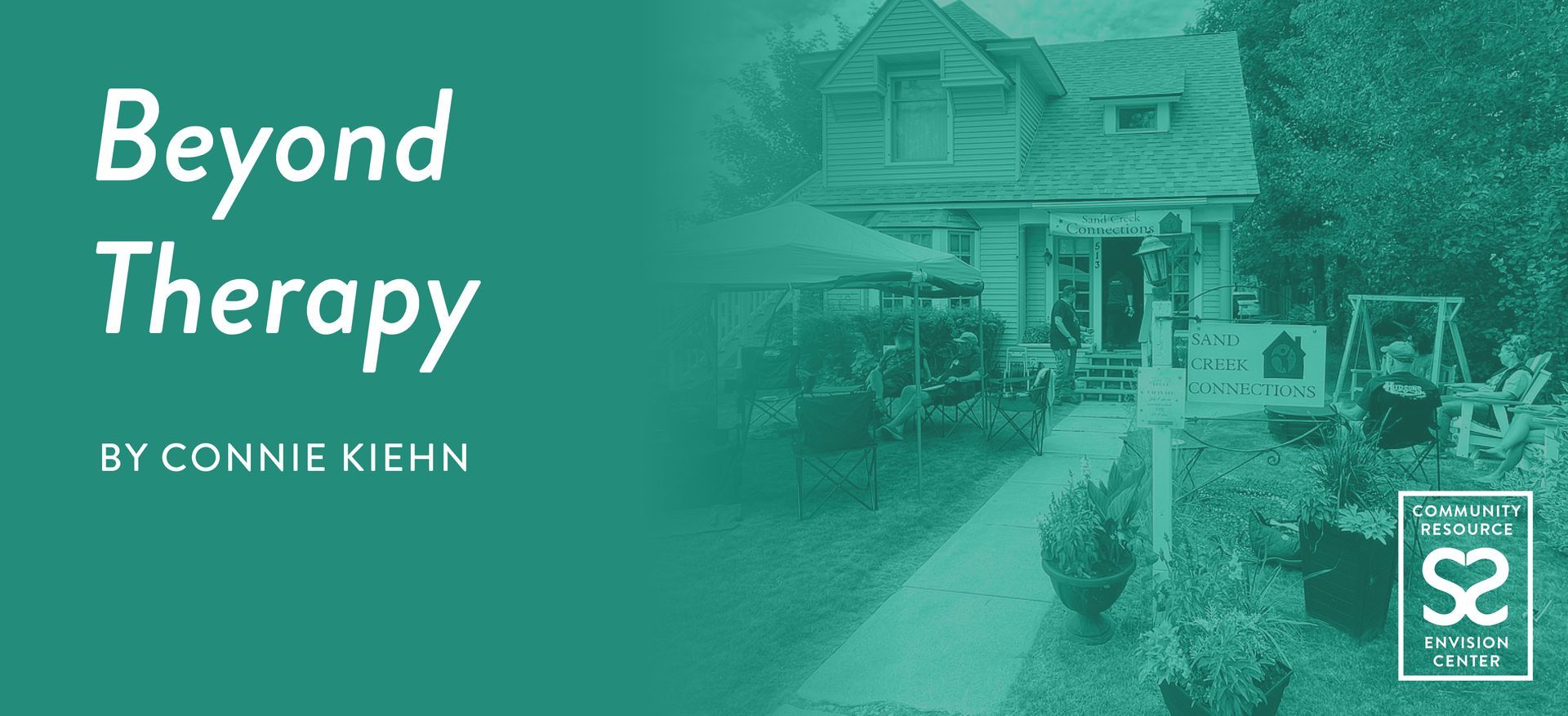
When Gabe Custodio first set out on his career path, he envisioned working with athletes as a sports psychologist. But life, and one pivotal internship, had other plans. Today, he is helping lead one of Idaho’s most innovative mental health initiatives, a community-driven clubhouse model that is changing how people experience recovery. Gabe’s early academic focus was sports psychology, with ambitions of supporting athletes. That trajectory shifted during graduate school, when he interned with underserved youth facing significant mental health challenges. “That experience opened up a new path for me,” Gabe says. One experience completely shifted Gabe’s mindset and his ideas for what his career should look like. Eventually, Gabe and his wife made a major life change. They left the fast-paced San Francisco Bay Area for North Idaho in search of a slower, more family-centered lifestyle. Without a job lined up, they took a leap, and it paid off. Gabe found himself once again supporting young adults with mental health issues, specifically those transitioning back into school, employment, and stability. A First-of-Its-Kind Program in Idaho Today, Gabe serves as Program Director of Sand Creek Connections , a program under NAMI Far North , which is part of the National Alliance on Mental Illness. Sand Creek Connections operates using the internationally recognized clubhouse model and is the first of its kind in Idaho. This model dates back to the 1950s and is built on a simple but powerful belief: recovery is possible, and it happens through community. Traditional mental health care often centers around clinical appointments. A therapist visit here, a medication check there. But what about the time in between? “That’s where isolation can creep in,” Gabe explains. Sand Creek Connections exists to fill that gap. It is not a clinical program. There are no therapists or treatment sessions on site. Instead, it offers a structured, stigma-free environment where members can build purpose, routine, and connection. At the heart of the clubhouse model is something called the work-ordered day. From 10 a.m. to 4 p.m., Monday through Friday, members and staff work side by side to run the clubhouse. And run is meant literally. Members contribute to: Cooking and serving meals Cleaning and maintaining the space Managing finances Running social media Planning events Even interviewing potential staff “It’s meaningful work,” Gabe says. “Not busywork. The clubhouse depends on it.” That sense of ownership is key. Members are not passive participants. They are co-creators of the environment. Structure is a major component to this model and seemingly simple moments still have a big impact. Shared meals, for example, are a cornerstone of the day. For individuals who may feel isolated or disconnected, cooking for someone or being served by someone can be deeply meaningful. “It builds connection in a very real way,” Gabe says. Growth, Momentum, and Real Results Since opening in November 2024, Sand Creek Connections has seen rapid growth: 73 total members and growing. About 12 in attendance per day. A steadily increasing presence in the community. The space can get a little tight at times, but that reflects strong engagement. One of the biggest challenges is funding. Currently, 100% of the program’s funding comes from grants and private donations, thanks to the work of its board and grant writers. Government funding has been limited, which makes community support even more important. Research shows that supporting someone through a clubhouse program for an entire year can cost roughly the same as just one week in an emergency room setting. The clubhouse model is backed by decades of research. Some key outcomes include: Higher employment rates. Around 40% of clubhouse members return to work, compared to roughly 20% among those with mental health challenges. Reduced recidivism. Participants are less likely to re-enter the criminal justice system. Improved long-term stability and independence. “We’re already seeing those results in our own community,” Gabe notes. Breaking Down Misconceptions Despite its success, misconceptions still exist. Some people worry about safety or assume members are difficult to engage with. The clubhouse is not a crisis center. Instead, it serves individuals who are stable but still need support, structure, and direction. “Our members are talented, capable, and resilient,” Gabe says. “You often cannot tell who is staff and who is a member, and that is by design.” While financial contributions are always needed, community involvement is just as valuable. There are many ways to support Sand Creek Connections: Volunteer your time Lead a workshop or class Provide a meal Join an advisory board Stop by for a tour Local artists, therapists, and businesses have already contributed in creative ways, from teaching college workshops to offering wellness sessions. “We want our members to feel seen not just inside the clubhouse, but in the broader community,” Gabe says. Sand Creek Connections is a trailblazing organization we are lucky to have in our community. 
By Linnis Jellinek May 4, 2026
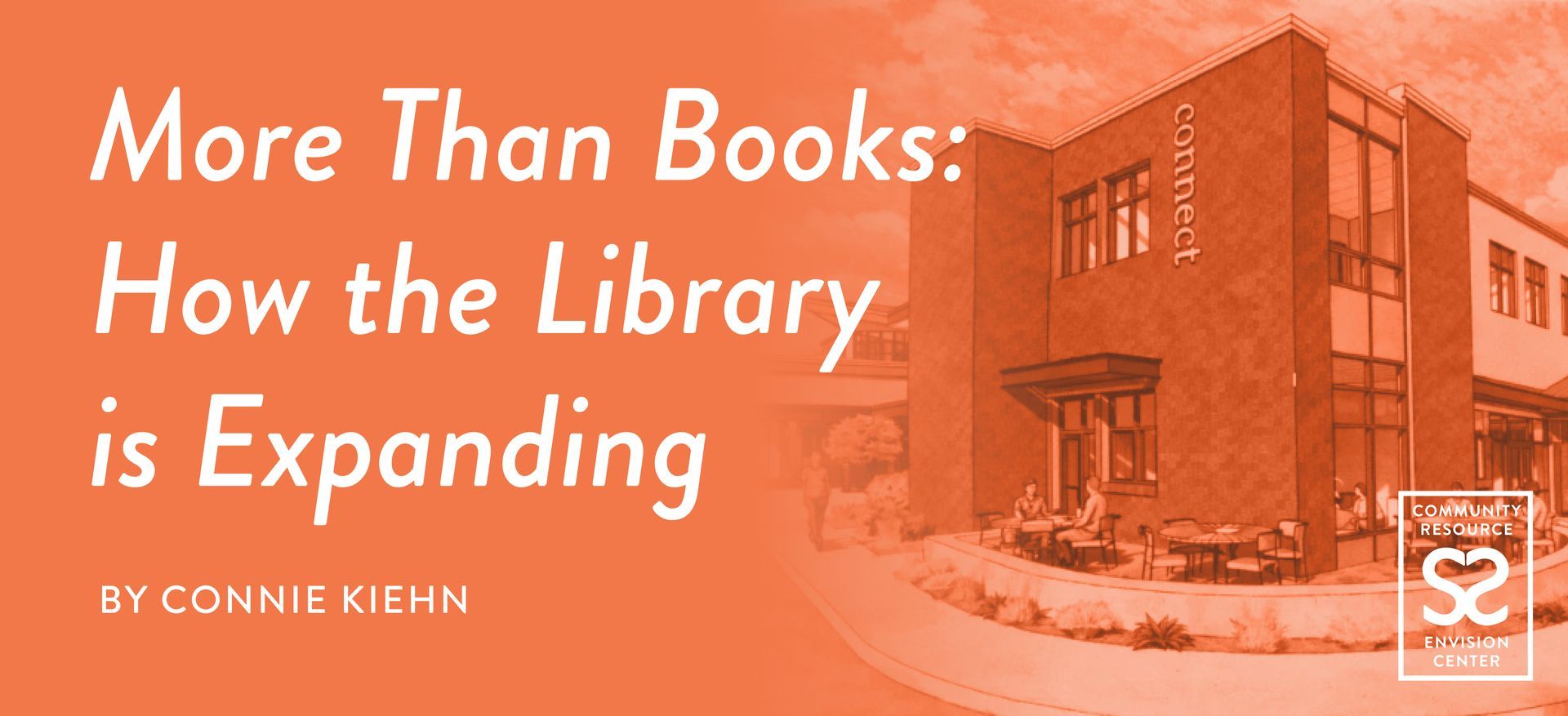
When many people think of a library, they picture shelves of books and quiet reading spaces. But today’s libraries are something much more dynamic. They are hubs of education, creativity, and human connection. In a recent conversation with East Bonner County Library Director Vanessa Velez and Lifelong Learning Coordinator Frank Foderaro, one thing became clear: “We try to provide something for everyone,” Vanessa says. With a major expansion on the horizon, the library is preparing to do even more. Lifelong Learning for Everyone A heavily utilized but still somewhat unknown resource at the library is the Lifelong Learning Center. The center helps proctor exams and offers tutoring to adults as well as children. Learning opportunities include one-on-one tutoring, technology help, GED and citizenship support, English as a Second Language instruction, and even niche topics. “We’ve had authors come in asking how to promote themselves,” Frank says. “We’ve had people ask for social media help. We try to meet those needs.” The program relies on a diverse group of volunteer tutors. These volunteers range from engineers to retired teachers to healthcare professionals to high school computer geeks. And when a request falls outside the usual scope, the library adapts. When a request comes to the learning center that the center isn’t able to serve, a call goes out to the roster of tutors asking if any of them can meet the need. Most of the time, one of the tutors has the skills needed to support the niche educational request. The program is built around individual needs. “We ask what their learning goals are,” Frank says. “Then we try to match that up with the right tutor.” That matching process goes beyond subject matter. It’s not just about matching the math expert with the student struggling with math. Personalities must fit and Frank puts a lot of effort into matching not just skill set but mindset. “Some tutors are very calm and patient. Some are more energetic,” Frank explains. “I try to match that with what the learner needs.” The goal of the learning center is not to create a lifelong crutch. Vanessa emphasizes that the goal is progress, not permanence. “We don’t want to make the Lifelong Learning Center someone’s permanent tutor,” she says. “We want them to reach their goal and then make room for someone else.” The program depends heavily on volunteers, and that is part of what makes it unique. There are over 100 volunteers at the library; 37 of those are on the tutor roster. They get vetted. They get trained. The center is designed to be flexible. Zoom tutoring for those who are physically unable to come into the library. The program has attracted many participants, so many that now it is time for the library to expand in order to meet the demand. A Major Expansion To address the growing need, the library is launching a 4,500-square-foot, two-story expansion. “It’s really a continuation of our previous expansion,” Vanessa explains. “This is phase two.” The project will include more tutoring rooms, a larger meeting space, additional study areas, and a multimedia room. For the learning center, the impact will be immediate. The number of rooms they will have to utilize doubles. The expansion will also include a small café. The expansion is funded through saved donations and county sales tax revenue. “We can’t use levy money for new construction,” Vanessa explains. “So this is coming from other sources we’ve built up over time.” Construction could begin as early as this summer, though timelines may shift. The library plans to remain open, though there will be some temporary inconveniences. Expect some noise, fewer parking spaces, and fewer community meeting rooms while some staff offices are temporarily relocated. Patience and understanding are appreciated during this transition. The Next Chapter As the library expands, so does its role in the community. From tutoring and digital learning to hands-on programs and shared spaces, it continues to grow into something much larger than a traditional library. With new spaces, new opportunities, and continued community support, the next chapter is already taking shape. Follow the library on social media for updates on the expansion process.
By Linnis Jellinek April 16, 2026
Berit Ollestad is working to bring a Tunnel to Towers event to the region, an effort shaped by years of personal experience, a growing desire to create something meaningful for her community, and a life-changing experience with Tunnel to Towers. By day, Berit runs a cleaning business, but much of her energy has shifted toward community involvement and honoring first responders and veterans. That sense of purpose was shaped in part by her experiences surrounding September 11th. At the time she was traveling in Italy and later spent time in New York and New Jersey during the recovery period. While living on the East Coast, she also worked in local journalism, covering police, fire departments, and civic life during a time when public service and community response were especially visible in daily life. The local response to the tragedy touched Berit, but she didn’t know how much the experience would come to mean to her. Her connection to Tunnel to Towers came years later when she participated in one of the organization’s signature events in New York, which includes a 5K run through the Brooklyn Battery Tunnel and a stair climb at One World Trade Center. “I remember standing there with thousands of people and realizing this was not just a race. It was something completely different. Everybody was there for a reason and you could feel it,” she says. “I just felt like I needed to do something more with this.” That experience stayed with her for a long time. While training locally in Sandpoint at War Memorial Stadium, she spent early mornings running stadium stairs in preparation for another climb event. What began as training gradually became something more reflective. “I would be out there early in the morning with the sun coming up over the stadium and I kept thinking how beautiful it was,” she says. “Then it hit me that this needs to be shared. This could be something meaningful here.” From that moment, the idea began to take shape: bringing a Tunnel to Towers-style 5K and climb event to Sandpoint on July 4th. The proposed route would cross the Long Bridge, move through town, and finish at Memorial Field. For Ollestad, the bridge quickly became central to the vision. “The bridge is really what makes it special,” she says. “When you run across it you are looking at the water and the mountains. It just feels like home. That became the hook for me.” The event is still in early planning stages, but its mission is rooted in supporting veterans, first responders, and their families. Tunnel to Towers is widely known for paying off mortgages for families of fallen first responders, building smart homes for catastrophically injured veterans, and providing long-term support for families left behind. Berit also points to the foundation’s broader efforts supporting homeless veterans through housing programs, case management, and wraparound services aimed at long-term stability. “They try to take care of the whole veteran,” she says. “It is not just housing, it is everything around it, making sure people actually have a chance to rebuild their lives.” As planning continues, Ollestad says the focus is now on building community participation. Volunteers, sponsors, and local partners will all play an important role, but she emphasizes that showing up is what matters most. “I think people underestimate how much just showing up matters,” she says. “Whether you are running, walking, volunteering, or cheering on the bridge, it all matters.” She is also hoping for a strong turnout on race day, while acknowledging the ambition of the goal. “I would love to see a thousand people out there,” she says. “I know that is a big number, but I also do not think it is impossible. This community shows up when it matters.” More than anything, she hopes the event captures the emotional meaning she experienced in New York, where participants were running and climbing in honor of loved ones lost. “Everyone was climbing for someone,” she says. “People had pictures on their shirts, names written on their hands. You get to the top and it is quiet for a moment and you realize everybody in that room is carrying a story.” As she continues preparing for another climb in New York while organizing the Sandpoint event, Ollestad says the experience has deepened her sense of purpose. “I am really grateful I get to do it again,” she says. Her hope is that the Sandpoint Tunnel to Towers becomes more than a race by creating a shared moment of remembrance, service, and community connection.
By Katie Begalke April 5, 2026
What Support Really Looks Like When people think about helping a neighbor in need, they often picture a simple solution. A referral. A resource. A phone number. A helping hand. And sometimes, that's enough. But more often, the challenges people face are far more complicated than they appear on the surface. A housing issue may also involve missing identification, transportation barriers, healthcare needs, childcare challenges, or lost income. A job search may uncover literacy obstacles, documentation problems, or a lack of access to training opportunities. What looks like a single problem is often a web of interconnected challenges that can be overwhelming to navigate alone. Throughout March, the Community Resource EnVision Center worked with more than 100 individuals and families, each with their own story and their own path forward. Some needed assistance securing housing. Others were pursuing education and employment opportunities. Some were working to regain independence after illness or injury. While their circumstances differed, one thing remained consistent: meaningful progress required more than a quick answer. It required someone willing to walk alongside them. This is the reality many community organizations face today. The work is no longer simply about connecting people to resources. It is about helping them navigate increasingly complex systems and ensuring they don't have to do it alone. That work happens through relationships. It happens through partnerships between organizations, businesses, volunteers, and community members who share a common goal. It happens because someone answers the phone, follows up after the appointment, helps complete the paperwork, makes the introduction, or stays engaged long enough to see a solution through. Most people will never see those moments. They won't see the hours spent coordinating services, the conversations happening behind the scenes, or the network of people working together to support a single individual or family. But that is often where the real work happens. Community isn't built through programs alone. It is built through people who care enough to invest their time, talents, and resources in one another. And when that support comes together, something powerful happens. Challenges become manageable. Barriers begin to fall. And hope becomes possible. That's what support really looks like.
By Linnis Jellinek April 3, 2026
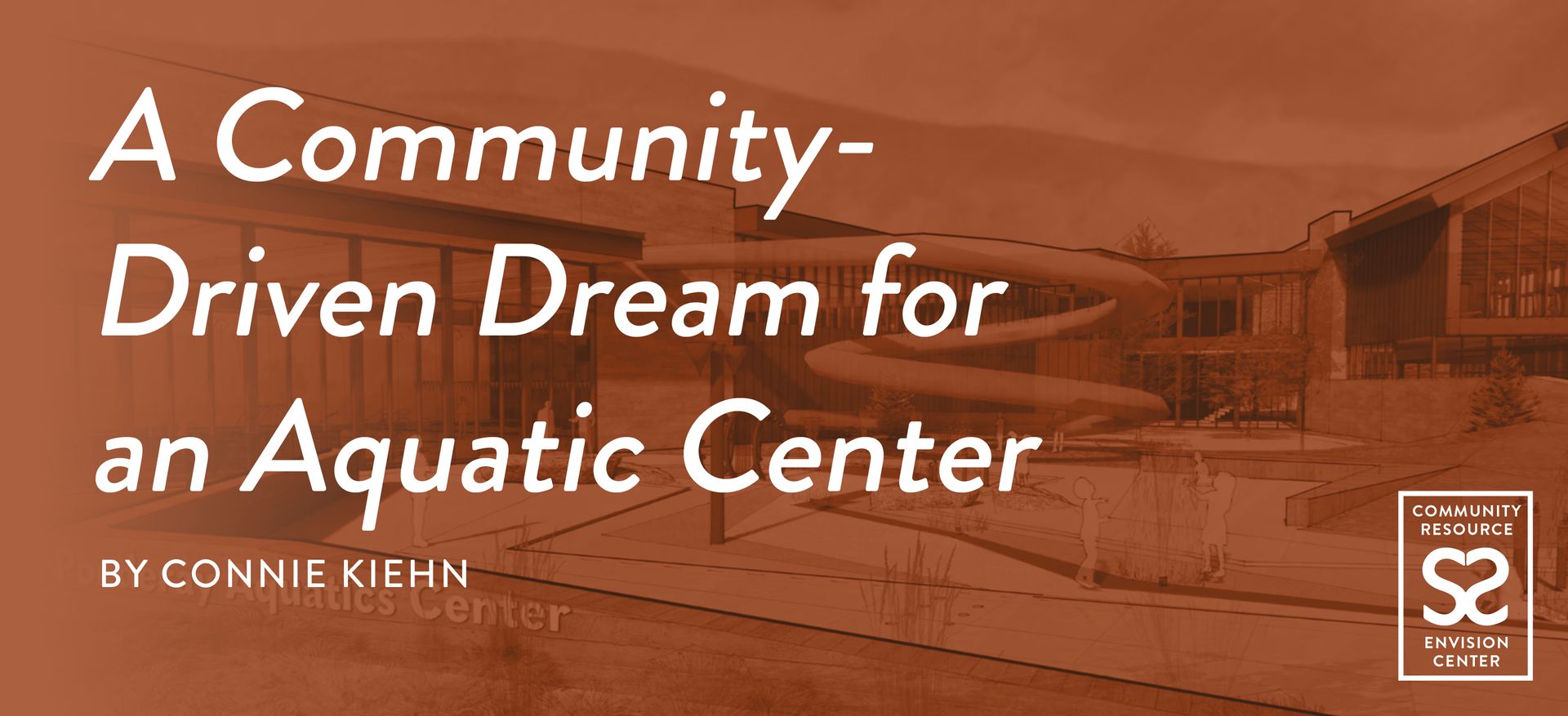
Greg Jackson has called Sandpoint home for more than 30 years. A graduate of Sandpoint High School, he grew up as a competitive swimmer before transitioning into coaching, a role he has held for nearly two decades. As head coach for the past eight years, he has led his teams to multiple state championships. Reflecting on his work, Greg simply says, “I enjoy what I do,” a statement that captures both his humility and his commitment. Outside of coaching, Greg is a husband, father of three, and co-owner of a restoration business specializing in fire, flood, and mold recovery. From Spark to Movement The idea for a new aquatic center began with a push from local leaders Mike DiBenedetto and Joan Bloom. Greg explains, “Dr. DiBenedetto ordered a feasibility study, got that done, and then he put a bunch of us together. Ask who wants to be involved in this, and then put a board together.” That initial step turned an idea into action. With early planning, nonprofit formation, and community conversations underway, the project quickly gained momentum. Despite the success of the local swim program, the YMCA cannot meet the region’s needs. “Other teams refuse to come to our facility to compete because it’s so shallow,” Greg points out. The limitations extend beyond competition. The region is surrounded by water, yet lacks a safe and controlled environment for training. Greg explains, “Our sheriffs and our EMTs really have no way to train in any body of water that’s actually safe.” A feasibility study confirmed the gap. Within a 100-mile radius, the region is short at least four aquatic facilities. A Vision That Keeps Growing What started as a plan for a pool has grown into a much larger vision. Today, the concept includes aquatics, ice facilities, and a flexible community space. Greg describes the evolving mindset clearly. “There are opportunities, and until this thing’s actually built, we want to put whatever we can in it.” The plan now includes two pools, an indoor ice rink, an outdoor skating area, and a fieldhouse that could serve multiple purposes including sports, events, and even emergency shelter. At the same time, the team is thinking strategically about how to build it. “We are trying to plan this so that this can be done in chunks,” Greg says. Each component can be developed in phases, allowing progress even if funding comes in stages. Smart Design, Real Impact The aquatic center itself is being designed to serve a wide range of users. The plan includes two separate pools to meet different needs. “We have designed two separate pools,” Greg explains. “You have your zero-level entry, your walking area for rehab or elderly people, and then we have our large competition pool with spectator seating, diving wells, and deep water.” This approach ensures that families, seniors, athletes, and first responders all have access to appropriate spaces. There is also a financial strategy behind the design. “A pool doesn’t make money,” Greg says. “Ice does.” By pairing aquatics with an ice facility, the project creates a more sustainable model. Even the energy systems work together, with heat generated from ice operations helping to warm the pools. A project of this scale requires significant funding, and the team is realistic about the challenge. “We’re talking millions and millions of dollars,” Greg says. Their approach focuses on visibility and community support. “Our attack right now is publicity. Get the word out there. This is what we’re doing.” They are also pursuing grants and planning future fundraising efforts, including a golf tournament. At the same time, they are inviting everyday community members to get involved. “Definitely getting the word out,” Greg says. “If somebody wants to go hand out flyers, just drive around and put flyers in people’s offices, we would take that help today.” One of the most important aspects of the project is its community focus. Greg emphasizes that input is not only welcome but necessary. “If there is something that you think is needed in this facility, we want to know that,” he says. “We want to make sure that we can accommodate the community’s needs. That’s why we’re doing this.” This mindset ensures that the final result reflects the people it serves. From accessibility features to programming ideas, every voice helps shape the outcome. There is no fixed timeline yet, and Greg is honest about the uncertainty. “It is hard to tell,” he says. Still, the project is gaining traction through meetings, partnerships, and growing awareness. The long-term plan is to build the facility and ensure it is financially sustainable, then pass operations to an organization equipped to manage it. “Our goal is not to run a facility,” Greg explains. “We want to get it constructed and then hand it off to somebody else to run.” A Shared Vision for the Future At its core, this project is about more than buildings. It is about creating a space where people can gather, grow, and support one another. Greg sums it up best. “The big thing is the dream is for the community.” That vision continues to grow with every conversation, every idea, and every person who chooses to be part of it.
By Linnis Jellinek March 14, 2026
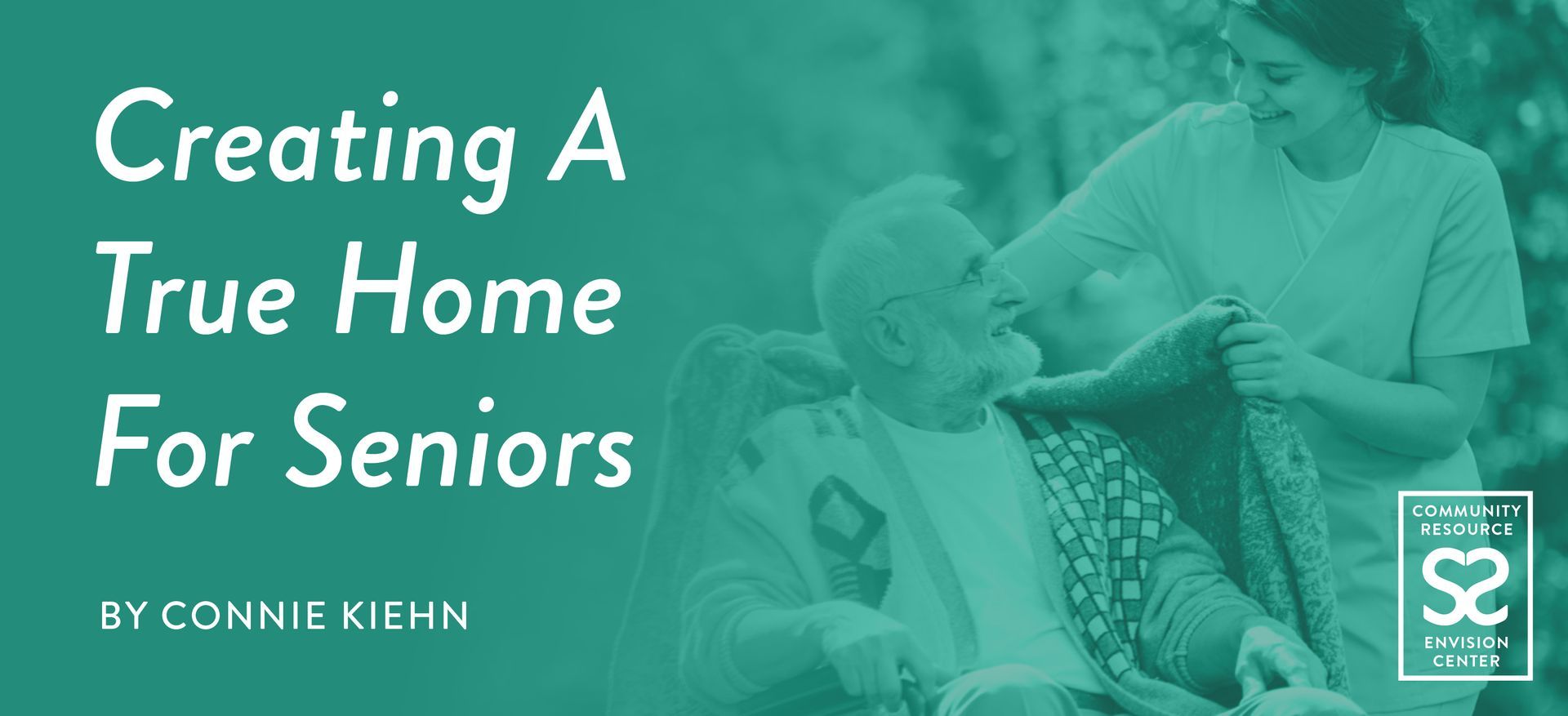
When people imagine senior living communities, many still picture the outdated image of a “nursing home.” For Jennifer Whitmyer, that stereotype couldn’t be further from the reality of modern senior living. As the Executive Director of Luther Park in Sandpoint, Jennifer is passionate about reshaping how people think about assisted living. With more than 15 years of experience in senior care, she has dedicated her career to creating communities that feel vibrant, welcoming, and most importantly, like home. “It’s not sterile. It’s not hospital-like. It’s a way of life,” Jennifer says.  A Career Rooted in Compassion Jennifer’s path into senior living was somewhat happenstance. She originally came from a law enforcement family and spent time working in corrections. This exposed her to some of society’s most difficult realities. That experience made her eventual transition into senior living even more meaningful. “When I got into the senior care field, I thought, ‘Holy cow, this is beautiful,’” she says. “You get to hear incredible life stories and spend time with people who have lived through so much.” Jennifer’s career change was sparked by a deeply personal experience: caring for her uncle after he was diagnosed with Alzheimer’s disease in 2010. As his condition worsened, Jennifer’s family began searching for memory care facilities. After visiting nine different communities, they finally found a place where he could receive the care he needed. But Jennifer struggled with being away from him. At the time, she was preparing to work at a prison in Spokane. Instead, she walked into her uncle’s care community and asked for a job. “I told them I’d never done caregiving before,” Jennifer recalls. “But I had taken care of my uncle, and I wanted to try.” That decision changed the course of her life. “The writing was on the wall,” she says. “I fell in love with the work.” A Community Built on Relationships Today, Jennifer leads Luther Park, a nonprofit senior living community that emphasizes connection both within the residence and with the surrounding town. The organization has deep ties to First Lutheran Church, which helped bring the community into nonprofit ownership in 2008. The church remains closely connected to the residence, even sharing an indoor hallway that allows residents to attend services and activities without leaving the building. “It’s wonderful for our residents,” Jennifer says. “They can just stroll down the hallway to church.” Luther Park currently serves more than 90 residents and can accommodate up to 110. The community provides a wide range of assisted living services, allowing residents to remain in one place as their care needs change over time . Some residents require minimal assistance, such as housekeeping or occasional reminders. Others need more involved support, including medication management or mobility assistance. The goal is continuity of care, ensuring residents can remain in a familiar environment rather than moving between facilities. Jennifer believes that stability becomes especially important near the end of life. “If someone is on hospice and nearing the end, we want to be the place that cares for them,” she says. “We want them to pass in a home-like setting where they feel comfortable and loved.” Community involvement plays a vital role in making Luther Park feel vibrant and welcoming. Volunteers regularly visit to spend time with residents in many different ways. Some bring music, like a local pianist who performs twice a week. Schools sometimes visit to sing or interact with residents. Other volunteers simply come to sit and talk. Veterans from the community occasionally stop by to serve coffee in the mornings and chat with resident veterans. Many volunteers enjoy listening to life stories, doing puzzles, or sharing quiet conversations by the fire. “You don’t need a special skill,” Jennifer says. “Just spending time with someone can make a huge difference.” One-on-one visits are especially meaningful for residents who prefer quieter activities or don’t often attend larger group events. Changing the Conversation Around Senior Living One of Jennifer’s biggest goals is helping people understand how much senior living has evolved. For many families, outdated perceptions still shape their expectations. The term “nursing home” often brings up images of sterile environments and impersonal care. But today’s assisted living communities are designed to be lively, social, and comfortable. “We want it to feel like home,” Jennifer says. “People don’t heal in a hospital-like environment.” Modern senior communities focus on quality of life, creating spaces where residents can form friendships, participate in activities, and maintain their independence while receiving support. Jennifer even compares the atmosphere to something like a college campus for seniors: a place full of activity, conversation, and shared experiences. After more than a decade and a half in senior living, Jennifer says the most rewarding part of her work remains the same: the residents themselves. Every person who walks through the doors carries a lifetime of experiences and stories. “These generations are incredible,” she says. “We’re lucky to hear their stories.” For Jennifer, helping preserve those stories and creating a community where seniors feel valued is what makes the work worthwhile. Because at Luther Park, senior living isn’t about institutions or facilities. It’s about creating a place where people belong. A place that feels like home.
By Linnis Jellinek March 11, 2026
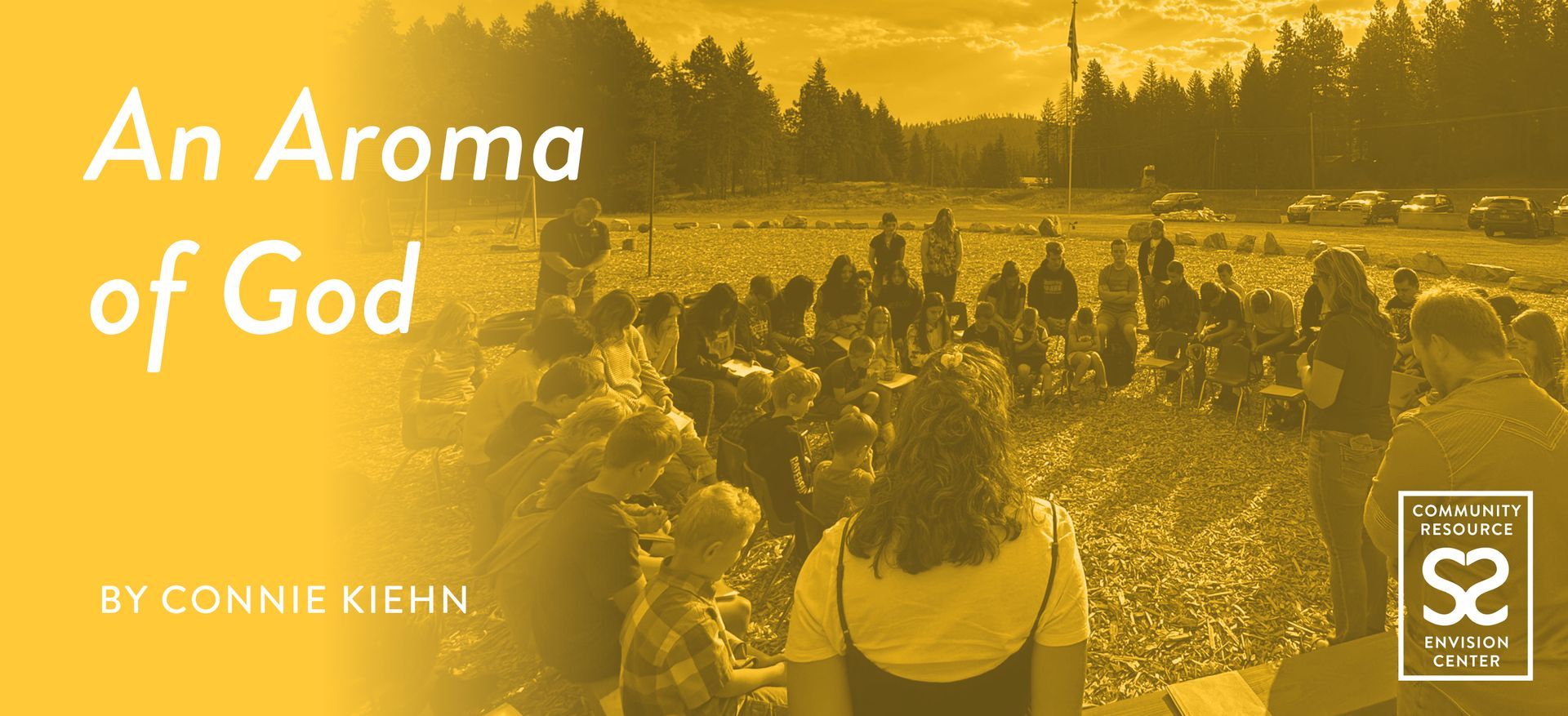
When Foundations School first opened its doors in Naples, Idaho, it didn’t look much like a school. It looked like half of a downstairs.  “We took over just the front half of the downstairs,” founder Charli Turner recalls. “And we had 18 kids in there. We outgrew it before the second semester.” Growth came quickly, not from a master expansion plan, but because the need kept showing up. They finished a back room. Charli’s husband gradually moved his shop out of the building they were using. The attic, once used to store supplies, was remodeled into classrooms. Later, they transformed a large open shop by adding a second floor, creating new classrooms. Today, the school sits on about ten acres. What used to be the parking lot is now a playground, and the parking has been pushed back toward the highway to make room for growth. “We have room to grow,” Charli says. Inside, one of the most popular spaces is called maker space. It is part workshop and part laboratory. Students take apart broken coffee makers and keyboards simply to see how they work. “They just deconstruct things and then try to put them back together,” Charli explains. “Usually they don’t go back together working, but they learn what all is there.” They have built giant catapults in teams and launched pumpkins across the property. “Oh my gosh, that was really fun,” Charli says. Hands-on projects like these are part of what draws students to Foundations School in the first place. Foundation School is a nonprofit, and tuition is set at $6,000 per year, well below the average private school cost in Idaho but accessibility is still a challenge. “It’s North Idaho,” Charli says. “We’re asking families to pay for education out of pocket. It’s already too much. Doesn’t matter what we’re charging.” Teachers are not paid what their workload might justify elsewhere. “They really do view this more as mission work,” Charli explains. If a lesson does not land, they rework it. If a student is struggling, they brainstorm new approaches. But like so many nonprofits, the program is amazing, the finances are not. At one point, Charli calculated what it would take to cover a year’s expenses. The number was the equivalent of selling 38,000 sausage dogs at the fair. “That’s kind of depressing,” Charli admits. Then she adds, “But I would sell 38,000 hot dogs if that’s what it takes.” They have hosted online auctions, calendar fundraisers, and a Great Gatsby themed gala. They are opening Nine Beans Idaho Mercantile Coffee next door in hopes of generating additional revenue. Questions about accreditation come up often. Foundations School meets Idaho state standards and issues diplomas, but it is not accredited. That choice is intentional. “Accreditation ties you to systems that are very one size fits all,” Charli says. Instead, teachers print the Idaho state standards and build curriculum directly around them. If students want to attend college, they leave with transcripts and diplomas, and universities have indicated they would accept them. The principal affectionately calls the student body a “mixed bag of nuts.” There is the athlete, the outspoken debater, the quiet student, the one with bright hair and piercings, and the one who prefers a pocket watch and suit jacket. In many larger schools, they might not interact. At Foundations School they do. High schoolers play tag with elementary students. Debate opponents still pray together at the beginning and end of the day. Each morning at 8:00, a bell rings from a bell tower the students built themselves. They gather at the flagpole, say the Pledge of Allegiance, observe a moment of silence, and say a pledge to God. They begin with a simple question. “How are you going to do better today than you did yesterday?” At the end of the day, they reverse it. “Who did you see doing good today? Who blessed you? Who worked hard?” Students name each other before the bell rings again. Not long ago, a visiting youth minister toured the campus. As he was leaving, he paused and said, “There’s an aroma of God here. You can smell it in the sweetness of what’s happening.” For Charli, that was the highest compliment they could receive. Foundations School is not polished. It is not wealthy. It is not finished growing. It is teachers stretching across multiple grade levels, students launching pumpkins across a field, and a leadership team learning fundraising in real time. It is “failing forward” and after three steady years of changing lives it’s here to stay.