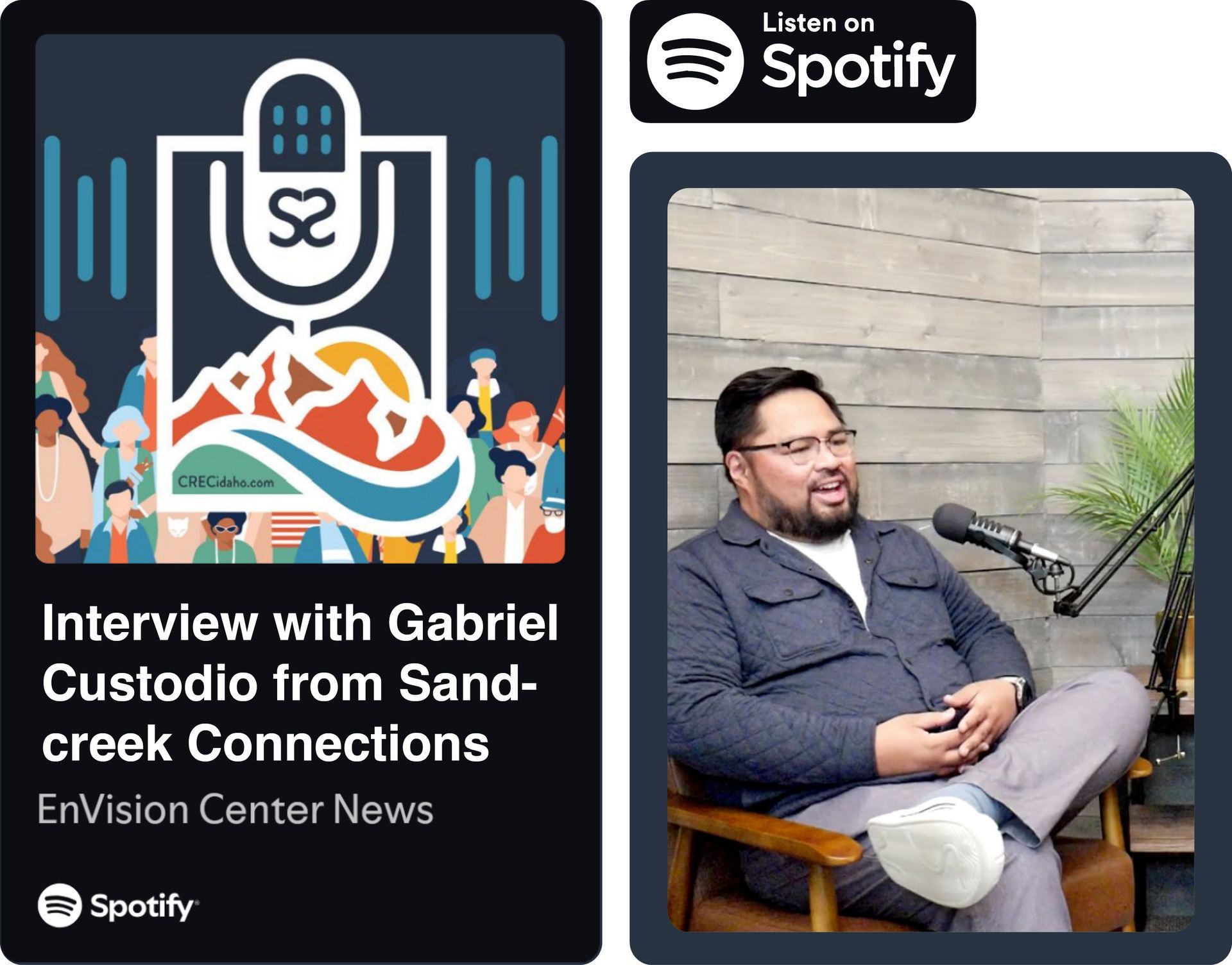

When Gabe Custodio first set out on his career path, he envisioned working with athletes as a sports psychologist. But life, and one pivotal internship, had other plans. Today, he is helping lead one of Idaho’s most innovative mental health initiatives, a community-driven clubhouse model that is changing how people experience recovery. Gabe’s early academic focus was sports psychology, with ambitions of supporting athletes. That trajectory shifted during graduate school, when he interned with underserved youth facing significant mental health challenges.
“That experience opened up a new path for me,” Gabe says.
One experience completely shifted Gabe’s mindset and his ideas for what his career should look like. Eventually, Gabe and his wife made a major life change. They left the fast-paced San Francisco Bay Area for North Idaho in search of a slower, more family-centered lifestyle. Without a job lined up, they took a leap, and it paid off. Gabe found himself once again supporting young adults with mental health issues, specifically those transitioning back into school, employment, and stability.
A First-of-Its-Kind Program in Idaho
Today, Gabe serves as Program Director of
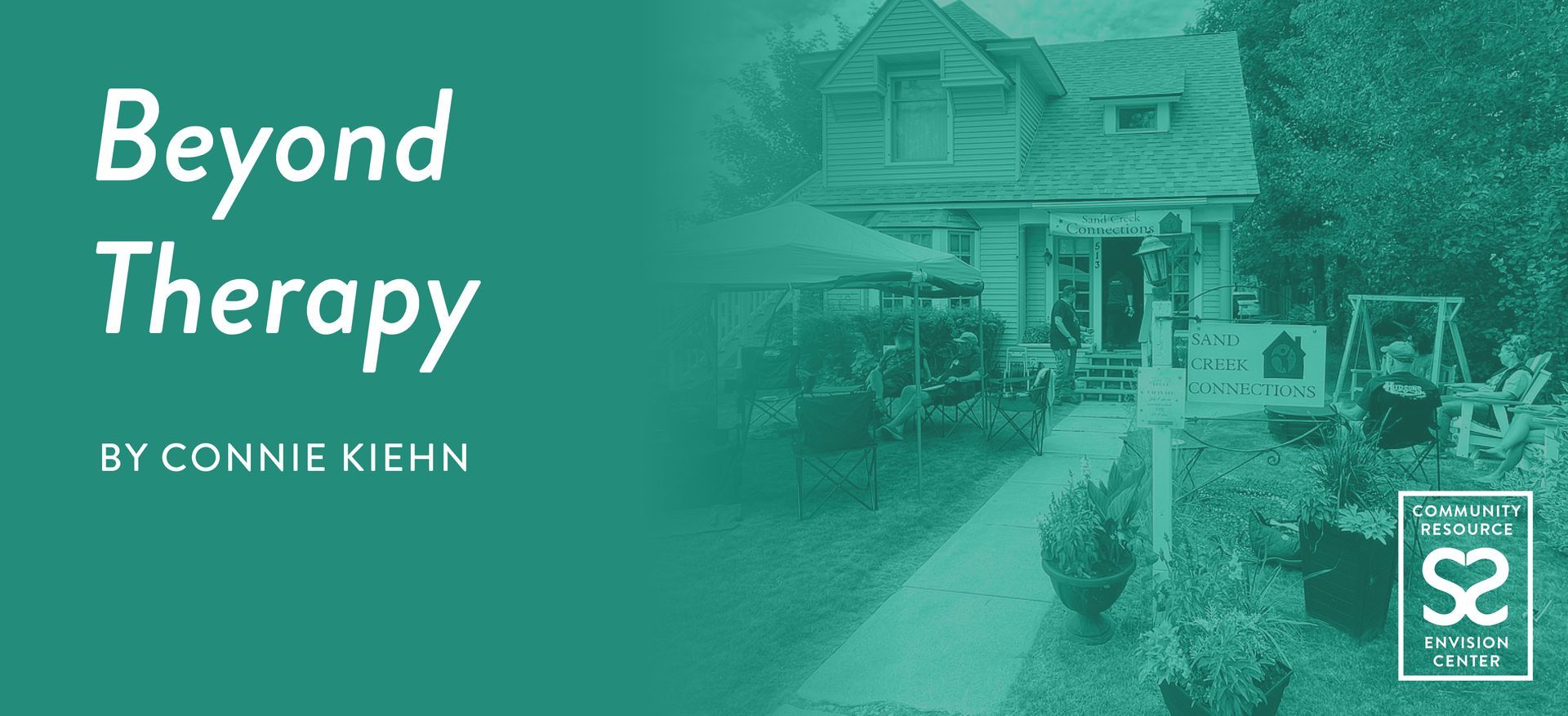
Sand Creek Connections, a program under NAMI Far North, which is part of the National Alliance on Mental Illness. Sand Creek Connections operates using the internationally recognized clubhouse model and is the first of its kind in Idaho. This model dates back to the 1950s and is built on a simple but powerful belief: recovery is possible, and it happens through community. Traditional mental health care often centers around clinical appointments. A therapist visit here, a medication check there. But what about the time in between?
“That’s where isolation can creep in,” Gabe explains.
Sand Creek Connections exists to fill that gap. It is not a clinical program. There are no therapists or treatment sessions on site. Instead, it offers a structured, stigma-free environment where members can build purpose, routine, and connection. At the heart of the clubhouse model is something called the work-ordered day. From 10 a.m. to 4 p.m., Monday through Friday, members and staff work side by side to run the clubhouse. And run is meant literally.
Members contribute to:
- Cooking and serving meals
- Cleaning and maintaining the space
- Managing finances
- Running social media
- Planning events
- Even interviewing potential staff
“It’s meaningful work,” Gabe says. “Not busywork. The clubhouse depends on it.”
That sense of ownership is key. Members are not passive participants. They are co-creators of the environment. Structure is a major component to this model and seemingly simple moments still have a big impact. Shared meals, for example, are a cornerstone of the day. For individuals who may feel isolated or disconnected, cooking for someone or being served by someone can be deeply meaningful.
“It builds connection in a very real way,” Gabe says.
Growth, Momentum, and Real Results
Since opening in November 2024, Sand Creek Connections has seen rapid growth: 73 total members and growing. About 12 in attendance per day. A steadily increasing presence in the community. The space can get a little tight at times, but that reflects strong engagement.
One of the biggest challenges is funding. Currently, 100% of the program’s funding comes from grants and private donations, thanks to the work of its board and grant writers. Government funding has been limited, which makes community support even more important. Research shows that supporting someone through a clubhouse program for an entire year can cost roughly the same as just one week in an emergency room setting. The clubhouse model is backed by decades of research.
Some key outcomes include:
- Higher employment rates. Around 40% of clubhouse members return to work, compared to roughly 20% among those with mental health challenges.
- Reduced recidivism. Participants are less likely to re-enter the criminal justice system.
- Improved long-term stability and independence.
“We’re already seeing those results in our own community,” Gabe notes.
Breaking Down Misconceptions
Despite its success, misconceptions still exist. Some people worry about safety or assume members are difficult to engage with. The clubhouse is not a crisis center. Instead, it serves individuals who are stable but still need support, structure, and direction.
“Our members are talented, capable, and resilient,” Gabe says. “You often cannot tell who is staff and who is a member, and that is by design.”
While financial contributions are always needed, community involvement is just as valuable. There are many ways to support Sand Creek Connections:
- Volunteer your time
- Lead a workshop or class
- Provide a meal
- Join an advisory board
- Stop by for a tour
Local artists, therapists, and businesses have already contributed in creative ways, from teaching college workshops to offering wellness sessions.
“We want our members to feel seen not just inside the clubhouse, but in the broader community,” Gabe says.
Sand Creek Connections is a trailblazing organization we are lucky to have in our community.