The Power of Showing Up: What Volunteerism Looks Like in Action
What does a volunteer look like?
For some, it's someone serving meals, mentoring youth, or helping at community events. For others, it's someone quietly making connections behind the scenes, bringing people together, and helping good ideas become reality.
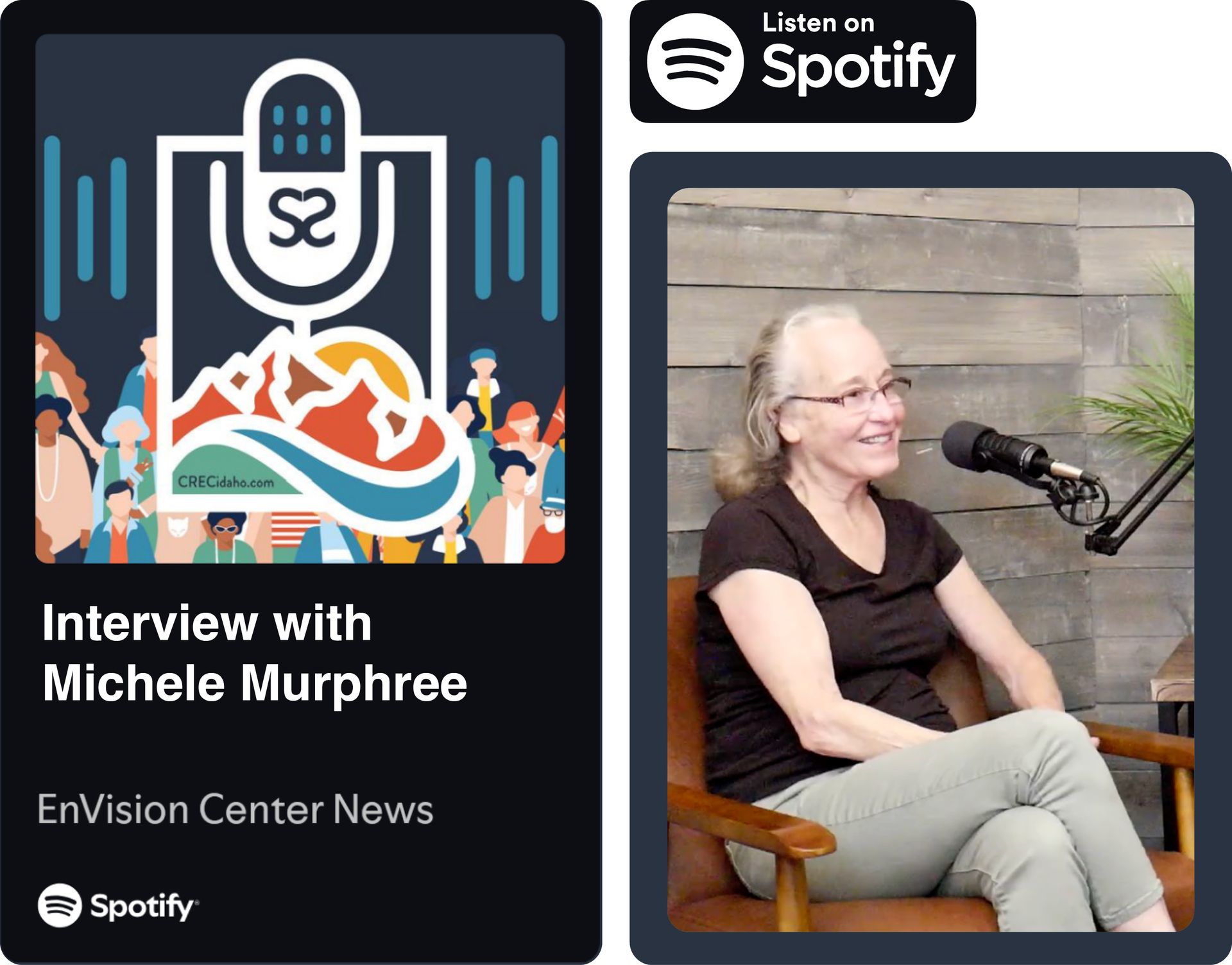
If you've spent any time volunteering in Bonner County, chances are you've crossed paths with Michele Murphree.
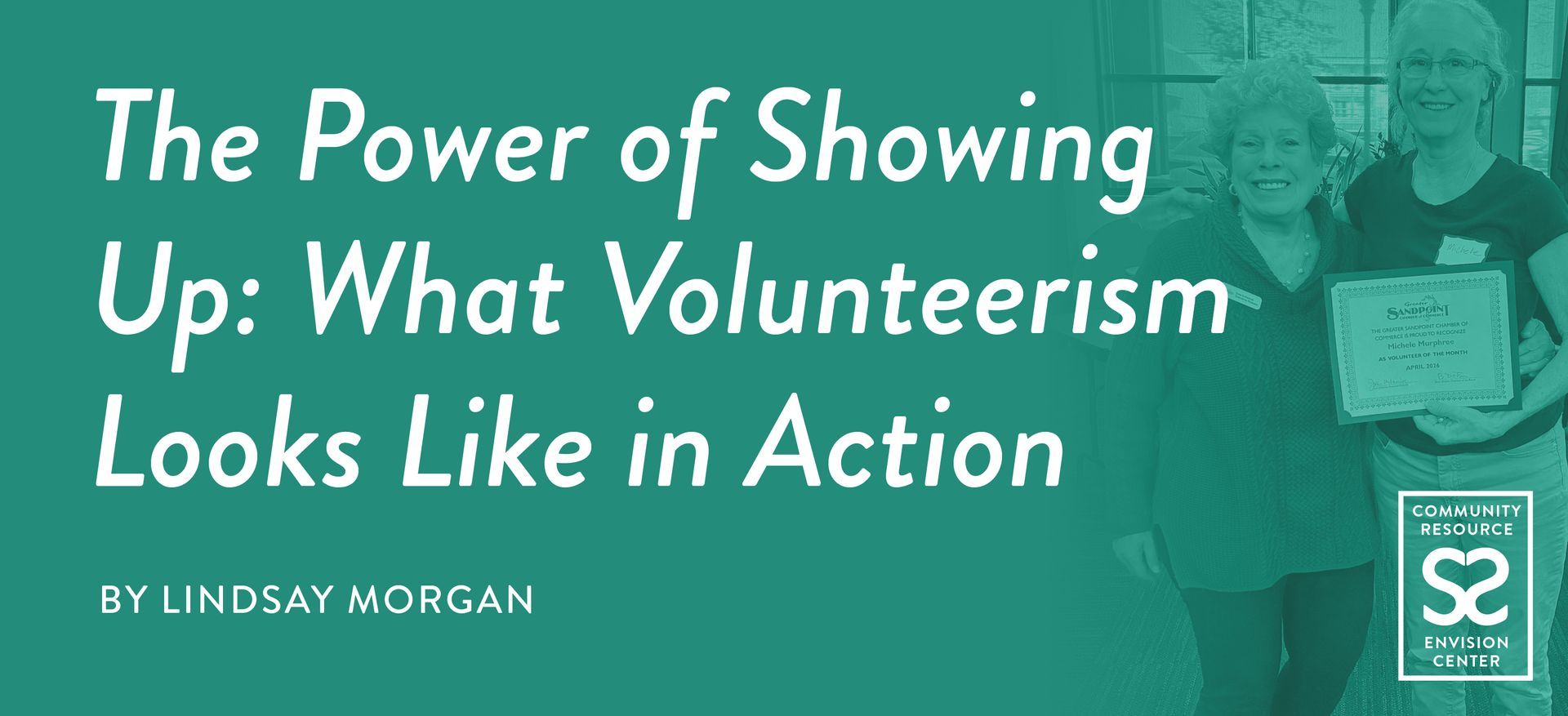
Recently recognized as Volunteer of the Month by the Sandpoint Chamber of Commerce, Michele has spent the last 25 years investing her time, energy, and heart into the community she now calls home. Yet if you ask her about her accomplishments, she'll likely redirect the conversation to the organizations, volunteers, and community members who make the work possible.
Originally from Southern California, Michele and her husband made the leap to North Idaho after falling in love with the area's natural beauty and strong sense of community. What started as a desire to get involved quickly evolved into decades of service supporting everything from environmental conservation and school gardens to veterans, youth programs, food security initiatives, and community improvement projects.
One of the first lessons she learned was that meaningful volunteerism often begins with a simple question: "How can I help?"
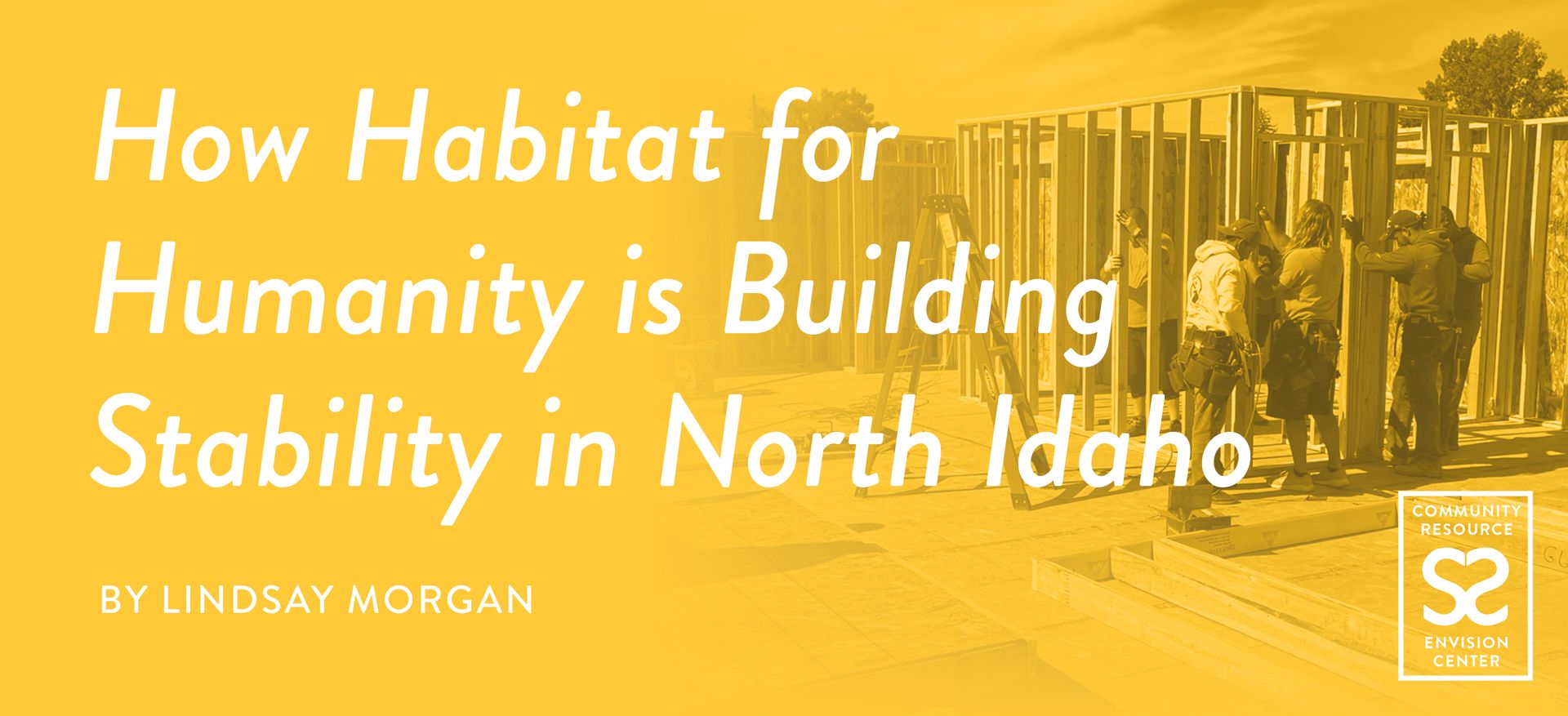
That mindset eventually led Michele to help launch school garden programs, support Food for Our Children, partner with Habitat for Humanity, coordinate veteran wood-cutting projects, and organize large-scale volunteer initiatives throughout Sandpoint. Along the way, she discovered something important: many people want to help, but they don't always know where to start.
That's where Michele has found her niche.
Rather than focusing on a single organization, she often serves as a bridge between nonprofits and community members who want to get involved. She understands that nonprofits are often stretched thin, and that volunteers need meaningful opportunities where they can make a difference. Her gift is bringing those two groups together.
Perhaps nowhere is that more evident than through Serve Sandpoint, a community-wide volunteer initiative that connects hundreds of volunteers with local projects ranging from food banks and animal shelters to senior services, youth organizations, and housing programs. What began as a request to find service opportunities for a church group has grown into a community effort involving dozens of projects and hundreds of volunteers.
For Michele, the work isn't just about completing tasks.
It's about connection.
One of her favorite emerging ideas is the concept of the "long table"—bringing people together after a day of service to share a meal, tell stories, and build relationships. Because while volunteer projects can improve buildings, gardens, or community spaces, it's often the conversations that happen afterward that leave the greatest impact.
That theme surfaced throughout the conversation.
Whether discussing school gardens, teen programs, Habitat for Humanity neighborhoods, or veteran support efforts, Michele repeatedly returned to the same idea: people want to belong. They want to contribute. They want to know they are part of something larger than themselves.
And that's exactly what volunteerism provides.
It helps people discover the needs that exist right in their own backyard. It creates opportunities to build relationships across generations and backgrounds. It reminds us that community isn't something we inherit—it's something we actively create together.
At the Community Resource EnVision Center, we see that truth every day.
The strongest communities aren't built by a handful of organizations working alone. They're built by neighbors showing up for one another, lending a hand, sharing their talents, and investing in the places they call home.
Michele Murphy is a wonderful example of what that looks like in practice.
Not because she has all the answers.
But because she keeps asking one simple question: "How can I help?"
And then she does.
"I think people really want to be a part of something and want to contribute—they just don't always know how."
Community Connection
Interested in volunteering? Michele encourages community members to explore local opportunities through organizations like Habitat for Humanity, the Food Bank, Bonner Homeless Transitions, the Senior Center, the Animal Shelter, and the annual Serve Sandpoint initiative. Every act of service—big or small—helps strengthen our community.
I think this one may actually be my favorite so far because it captures something that is central to both Michele's story and CREC's mission: community happens when ordinary people decide to get involved.