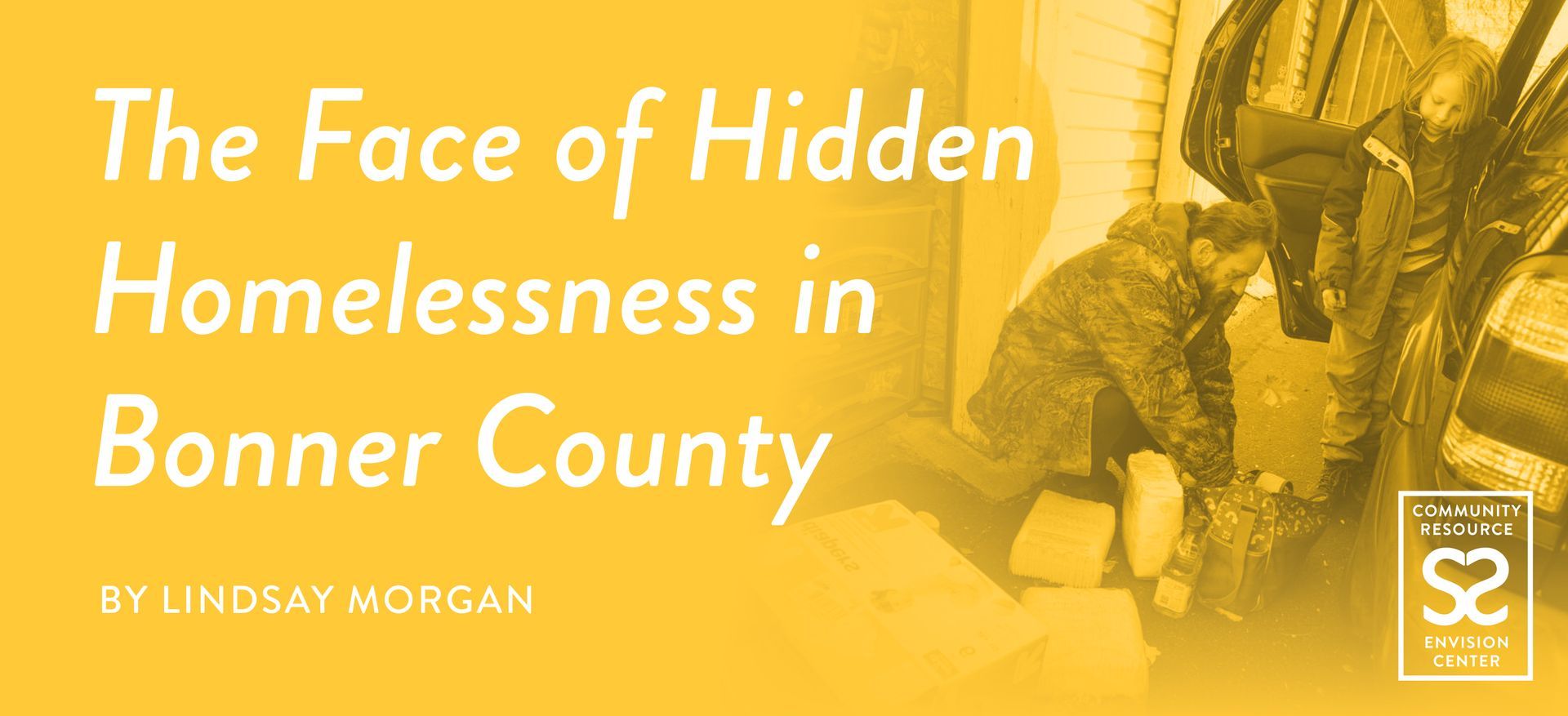
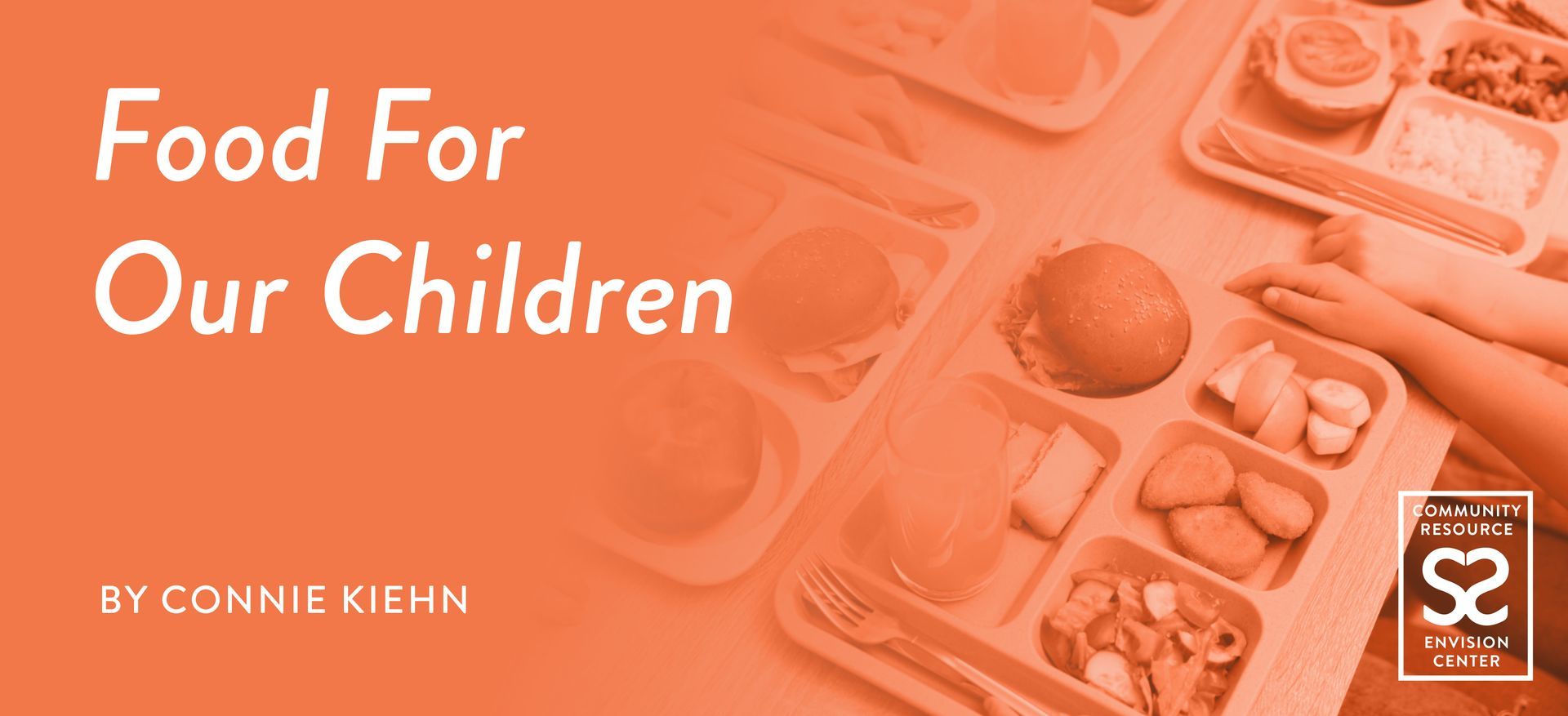
Sandpoint is a beautiful place. Charming, clean, and quite prosperous on the surface. But behind those postcard views, many families are quietly struggling. Housing costs have soared. Service wages have not kept pace. Dozens of children live in motels or RVs. Others stay with relatives or couch surf with friends. The poverty here is often hidden, but the hunger is real.
Food For Our Children (FFOC) was created to make sure local kids do not fall through the cracks. For more than a decade, this volunteer-powered nonprofit has made sure children across Bonner County have enough to eat, both on school days and during the weekends when school meals are unavailable.
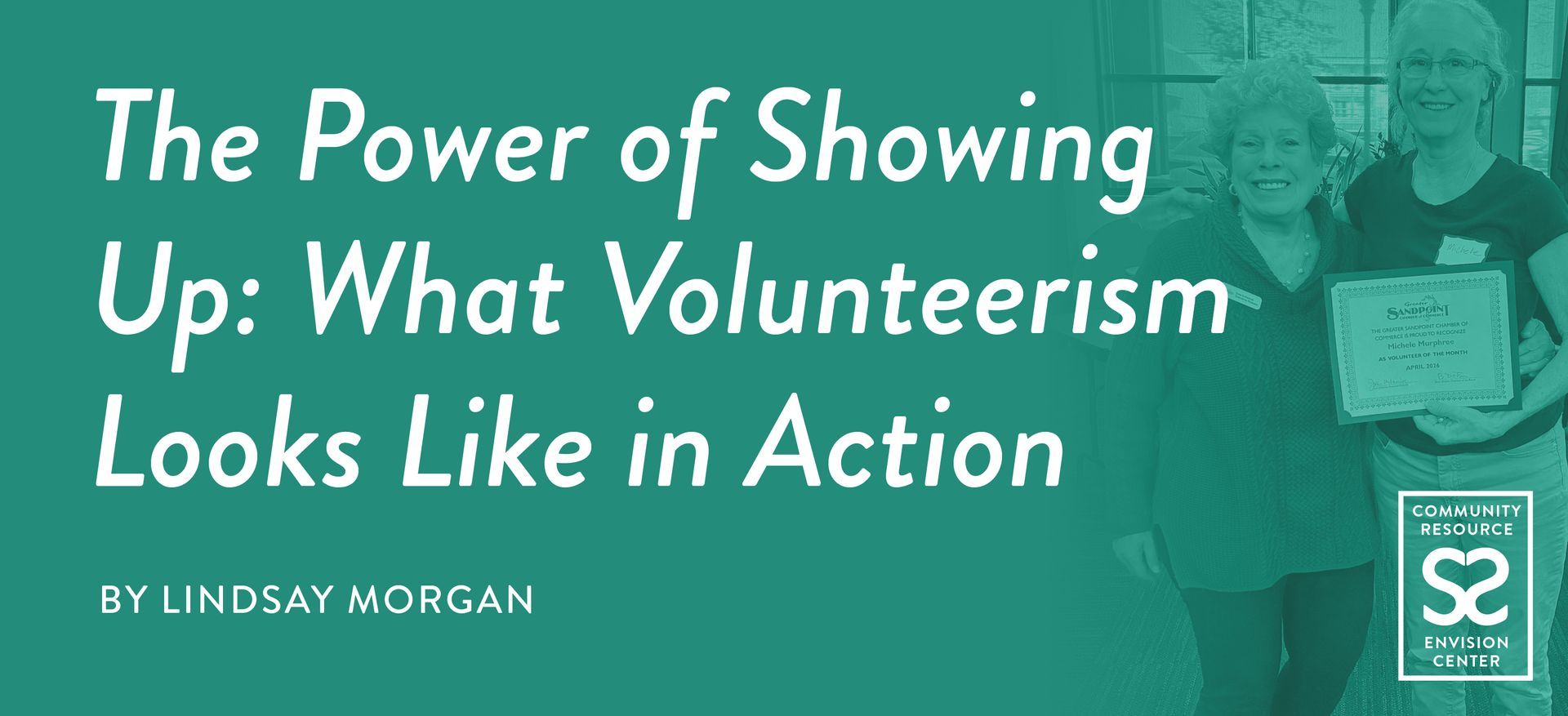
Jamie Schlehuber is a retired junior high and high school teacher who moved to Sandpoint full-time after retiring. Looking for a meaningful way to give back, she connected with FFOC through a friend on the board. Today she coordinates directly with schools, manages the weekly food bag program, organizes volunteers, and keeps track of individual school needs.
"I really understand the value of kids getting food and what a difference it makes for the kids and how they're able to learn,” says Jamie.
Judge Barbara Buchanan is a longtime Sandpoint resident and recently retired district judge who continues to serve as a senior judge for part of the year. When she retired, she knew she wanted to spend more time giving back. She joined the board early on and has helped guide the organization ever since.
Is Hunger Really That Big of a Problem Here?
Yes. It is simply less visible than in other places. Many families live in older motels, RV parks, small apartments, or unstable housing situations. A two-bedroom apartment in Sandpoint often costs $1,500 a month or more. The middle class is shrinking, and many working families are caught between high costs and limited income. Kids who appear fine at school may be facing food insecurity at home.
“When I talk to friends and different people out in the community, they have no idea that there's this need. I think that's a part of it is just trying to get the word out that there is a need here,” says Jamie.
What Food For Our Children Does
Many people assume the group simply provides food for kids, but the scope is much larger. The mission is carried out through three major programs.
1. Weekend Food Bags
Every Wednesday morning, about 10 to 15 volunteers gather at the Bonner County Food Bank to assemble weekend food bags. The group delivers over 550 bags across the school district. Some weeks, it is slightly fewer, but the trend continues to rise. Each bag contains two breakfasts, two dinners, two apples and additional nutritious items that children can prepare safely on their own. No child has to prove they qualify. If a student wants a bag, the school gives it to them discreetly. Delivering these bags requires its own team of volunteers. Farmin Stidwell Elementary alone receives 177 bags each week.
2. Weekday Snacks for Classrooms
There was a time when teachers were paying out of pocket for snacks because hungry kids could not focus or learn effectively. After learning about this, FFOC began supplying schools with nutritious snack options so teachers no longer have to cover the cost themselves.
“Kids can’t learn when they’re hungry,” says Barbara.
3. School Meal Subsidies
This is the fastest growing part of their mission. After COVID ended and Idaho went back to traditional federal meal qualifications, many families found themselves earning slightly too much to qualify for free or reduced meals, but not enough to stay ahead of rising costs. Food For Our Children created a subsidy program to fill that gap. In the first year, they supported families in the Lake Pend Oreille School District who were within 10 percent above the income threshold. Last year they increased it to 20 percent, where it remains this school year.
Next year, FFOC hopes to increase that amount to 50 percent due to a historic partnership with the Kinderhaven Foundation and the Lake Pend Oreille School District. Within days of recording this podcast, the Kinderhaven Foundation announced that it was awarding FFOC a two-year grant totaling $372,000 to help pay for school meals. Food For Our Children is now embarking on a campaign to raise enough money to match Kinderhaven's grant with the goal of providing affordable school meals for students from the lowest 50 percent of household incomes in the school district.
Why They Do Not Accept Food Donations
All the food that FFOC delivers comes through Second Harvest, a large nonprofit distributor that supplies USDA approved, shelf stable food bags. The bags have remained five dollars each, a remarkable achievement considering rising food and shipping costs. Food For Our Children adds apples to ensure every child receives something fresh.
Because of safety and nutrition requirements, FFOC cannot accept food donations from the public. Food For Our Children also takes into consideration the age of the child receiving the bag of food. Everything must be safe for young children and easy to prepare without the risk of burns or injury. Older students receive XL bags with items that need to be prepared on a stove such as chili mac and pasta.
How the Organization Is Funded
Food For Our Children is completely independent from the food bank. Funding comes from individual donors, grants, the annual wine gala and auction, business partners, and school sponsorships. A major point of pride is that 100 percent of public donations go directly to feeding children. The eight-person board covers all overhead costs themselves, including supplies and administrative needs.
“We have a working board. So, everybody does a little bit of everything,” says Jamie.
Donors can choose what their gift supports. They can give to the weekend bag program, classroom snacks, meal subsidies, or adopt a specific school. Several businesses and individuals have already adopted schools, though Farmin Stidwell, being the largest, still needs a sponsor.
How to Help
Weekly bag packing happens every Wednesday at 9:30 a.m. and takes about an hour. People show up when they can. Delivery drivers are always needed, especially for larger schools. Volunteers also assist with the annual gala by helping with food service, pouring wine, and providing safe rides home. The board is a working board. Members take on significant tasks such as grant writing, bookkeeping, fundraising, coordination, and event planning.
You can donate, volunteer, adopt a school, or simply help spread the word.
Visit: foodforourchildren.org
Even sharing the story helps people understand a need that is often invisible in our community.