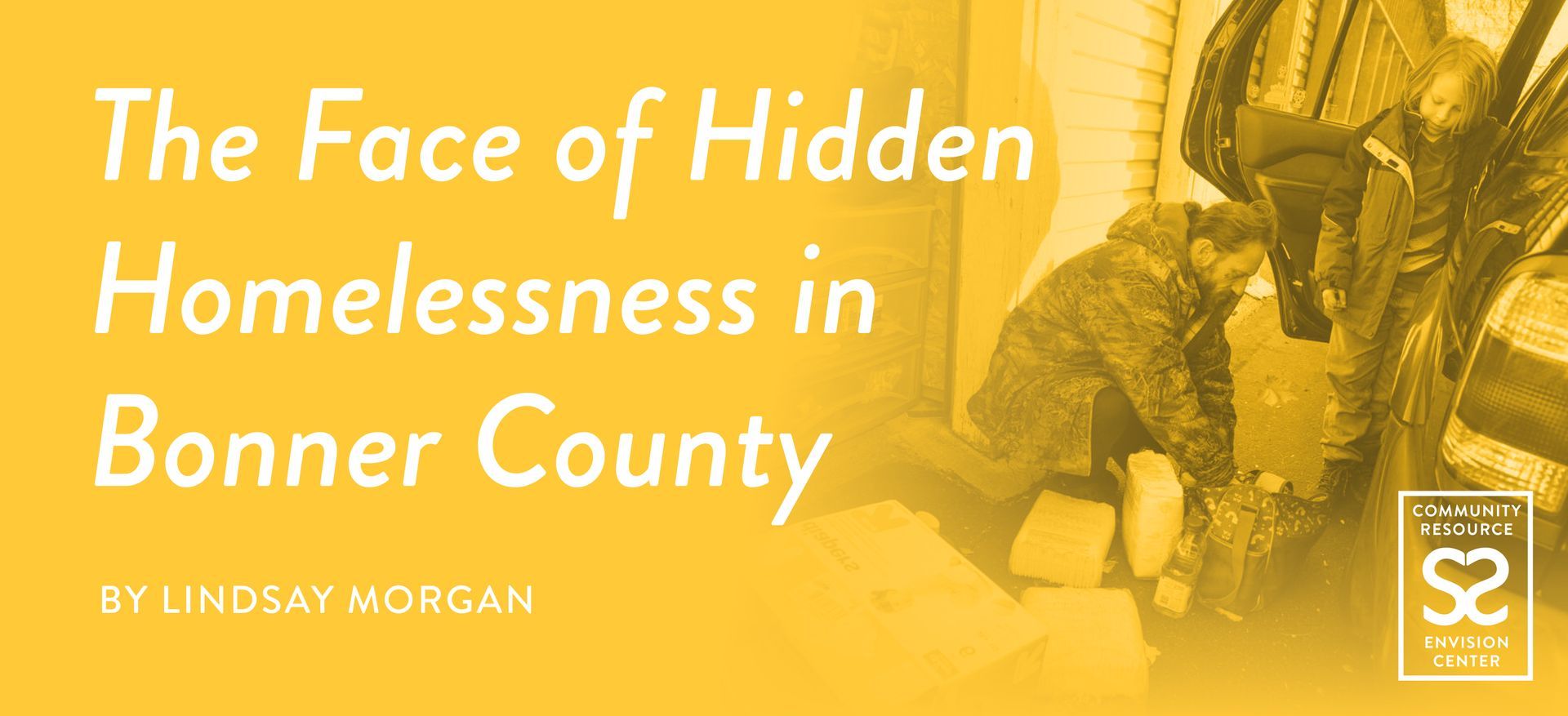
The Face of Hidden Homelessness in Bonner County
What does it mean to truly see someone?
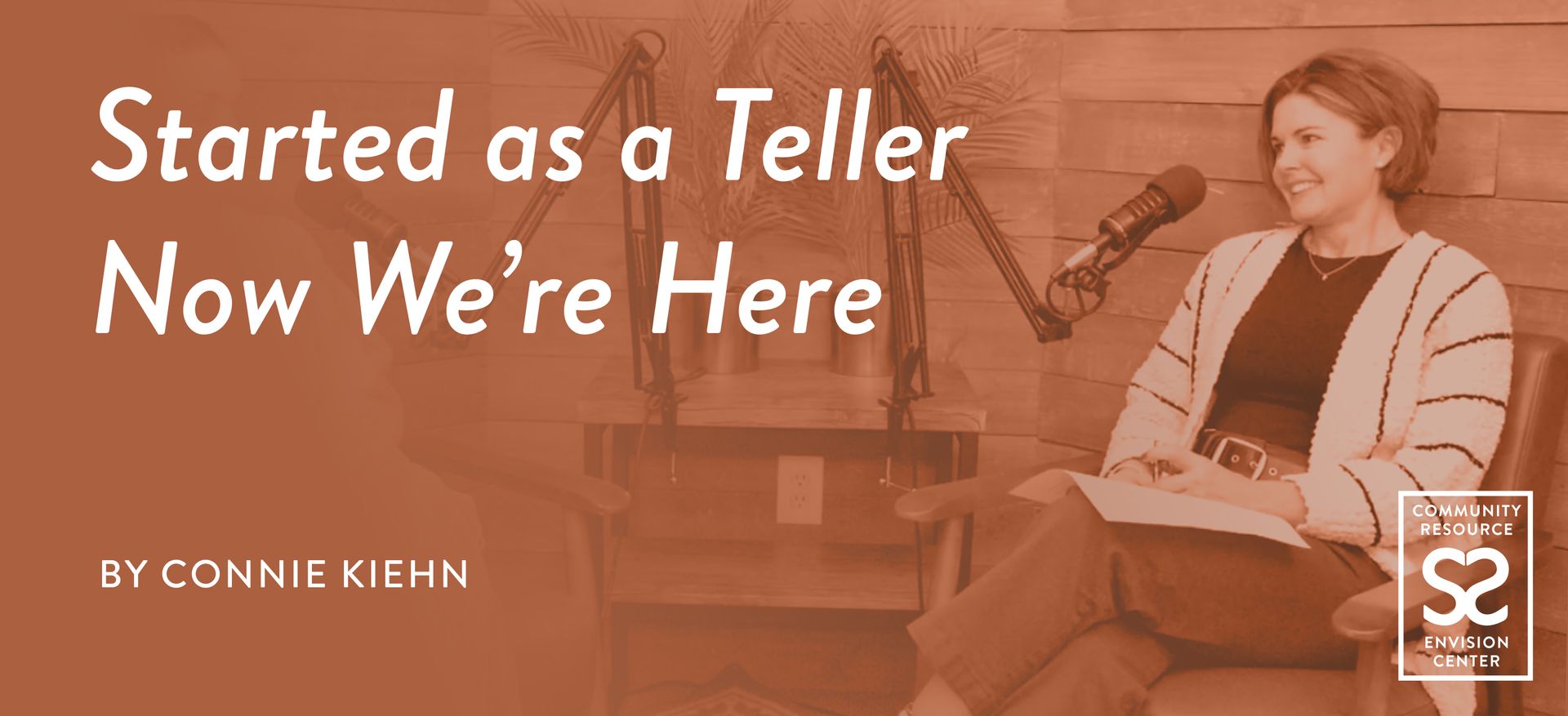
It's a question that has come up time and again among our local leaders, and one that took center stage in a recent episode of A Little Birdie Told Me, when I sat down with three nonprofit leaders who are doing some of the most important and least visible work in our community. Trinity Nicholson, Executive Director of Panhandle Special Needs; Rebecca Little of Bridge Haven (fka Bonner Homeless Transitions) and Todd Lewis of Helping Hands, Healing Hearts joined me to talk about something that surprises a lot of people: homelessness in Bonner County is real, it's significant, and most of us walk right past it every day without knowing it.
Todd opened with a story that set the tone for the whole conversation. He was meeting with a potential donor who told him, without hesitation, "We don't have a homeless problem here." It's a sentiment he hears often. And in a way, it makes sense — because homelessness in a rural community like ours doesn't look the way it does on the evening news. There are no large encampments lining downtown streets. No tent cities visible from the highway. What there is, instead, is a population that has learned out of necessity to be invisible.
They're living in RVs parked off rural roads. Sleeping in cars. Couch surfing between friends and family until that option runs out. Camping on Forest Service land and moving every 14 days to stay within the rules. Renting a garage through the winter just to stay warm. Staying in an unsafe situation at home because leaving feels impossible when there's nowhere obvious to go. Todd described it simply: if you've ever driven an old country road and noticed a cluster of RVs and tents, that's a homeless encampment. At 45 miles an hour, it's easy to miss.
One of the most striking parts of our conversation was the gap between official data and lived reality. The 2026 Point-in-Time count, the state figure used to direct funding across all of northern Idaho, recorded 180 people experiencing homelessness in the region. Todd served 184 people through his doors last month alone. Sixty of them live on less than $900 a month, which isn't enough to rent a room in Sandpoint, let alone an apartment. Rebecca's program currently supports 54 people under their roof, with additional participants in the community they're still actively serving. Trinity's organization works with 10 to 20 people a year who are experiencing homelessness while also navigating developmental disabilities, one of the most vulnerable and least-counted populations anywhere.
When the numbers don't reflect the reality, the funding doesn't follow. And when the funding doesn't follow, the conversation doesn't happen. That's part of why I knew I needed to record this one.
What also came through clearly in our conversation was how interconnected these challenges really are. Mental health, substance use, domestic violence, disability, and generational poverty don't exist in isolation. They layer on top of one another, and they layer on top of the logistical realities of rural life. Transportation alone is a major barrier. For example, the Spot Bus has limited hours, many clients live on the outskirts of town and if you work a late shift, you're biking home in the dark, in the rain, in the snow, or you're not going at all. Todd told me about a client who missed two weeks of appointments because the walking bridge near his camp had been closed for structural repairs. With no other safe way in, his whole routine simply stopped because of construction.
These are the kinds of barriers that are easy to overlook when you have a car and a schedule that runs on your terms. I'll be honest, this was a good reminder and perhaps something us independent drivers take for granted.
All three of my guests spoke about the importance of not just solving the immediate crisis, but walking alongside people through a longer journey. Rebecca talked about the two-year structure of Bridge Haven's program and the accountability, consistency, and genuine relationship-building that makes it work. Trinity described the careful, patient work of helping someone with a developmental disability navigate systems, access benefits, and build the life skills that most of us take for granted. Todd put a rough number on what it takes to help someone reach self-sufficiency: around $10,000, when you factor in first and last month's rent, a reliable vehicle, work-appropriate clothing, and the slow, steady rebuilding of a life. It's not a hand-out. It's an investment, and it takes a whole network of organizations, each bringing their own piece of the puzzle, to make it work.
That idea resonates deeply with what I see every day at the Community Resource EnVision Center. The future of this community won't be built by any single nonprofit, agency, or program. It will be built through the connections between them and through the willingness of community members to get involved, even in small ways.
You don't need a degree or a big checkbook to make a difference. You need an hour a week. A willingness to sit with someone. The ability to say, "I don't know all the answers, but I know where to start." If you can point someone toward one resource, these organizations will take it from there. We work to know each other and can make the connection.
Perhaps the most memorable moment of the whole conversation came when our guests talked about what it means to be truly seen, and how rarely that happens for the people these organizations serve. Many of their clients have spent their whole lives being told, directly or indirectly, that they don't matter. That it won't work out. That they're a lost cause. And when someone sits down across from them, looks them in the eye, and says I see you, something shifts.
That kind of belonging is something we all need. And it's something this community has the capacity to offer, if we're willing to look a little closer.
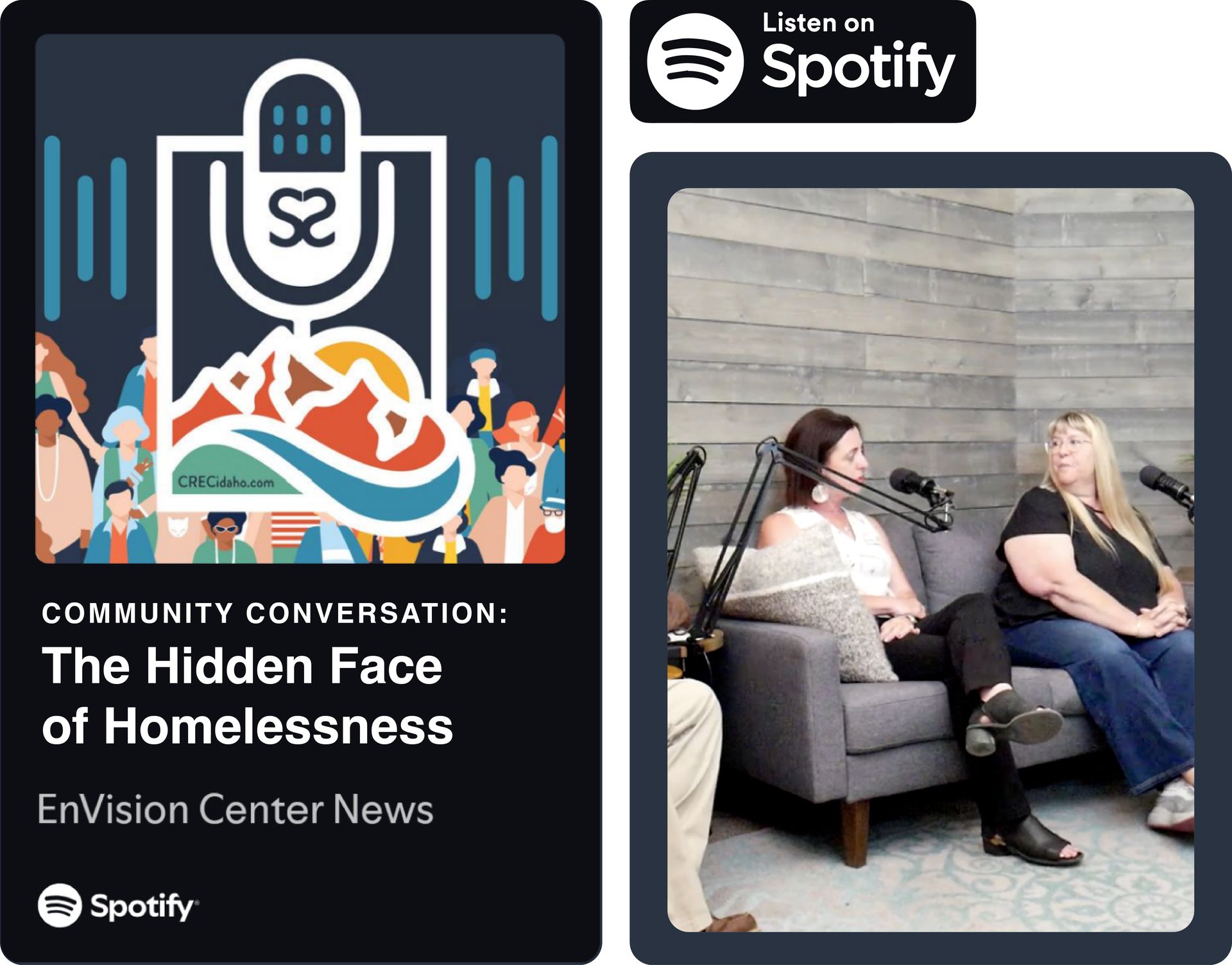
This post is based on a recent episode of
A Little Birdie Told Me.
Listen to the full conversation to hear more from Trinity, Rebecca, and Todd.
"Rural communities have the same issues. They just look different."
— Rebecca Little, Bridge Haven
"If every retired guy out there just took one young man and walked alongside him for a year, he would fundamentally change that young man's life. He doesn't need any special skills. He just needs a couple of bucks and some coffee."
— Todd Lewis Sorenson,
Helping Hands Healing Hearts
"Hope. Hope is such a catalyst to moving to that next brave step."
— Trinity Nicholson,
Panhandle Special Needs Inc.