A new statewide report puts numbers behind something many of us working in the nonprofit sector have felt for some time: the need is growing, the people doing the work are tired, and the systems supporting them are being stretched.
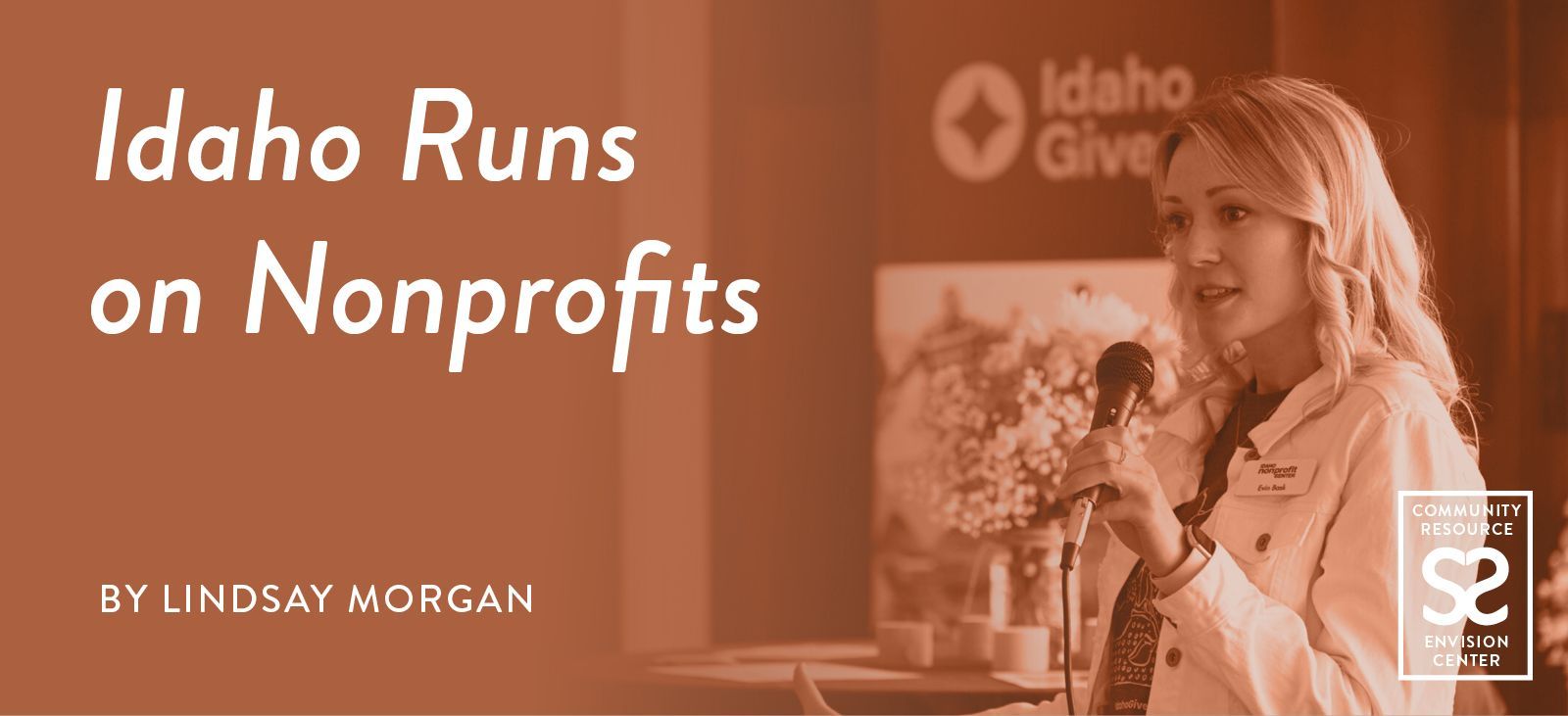
The Idaho Community Foundation's 2026 State of the Sector report opens with a simple statement: "Idaho runs on nonprofits."
The numbers make the case.
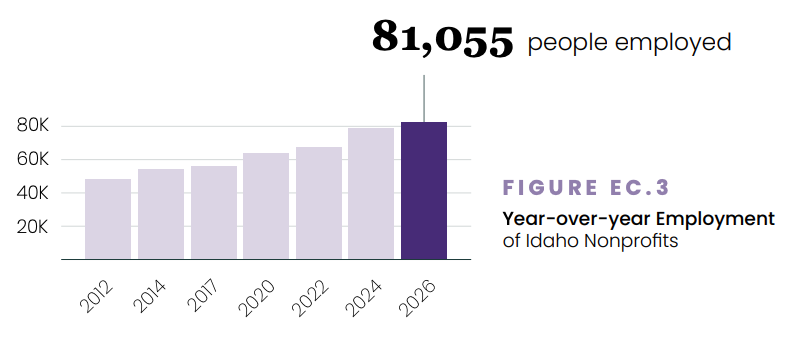
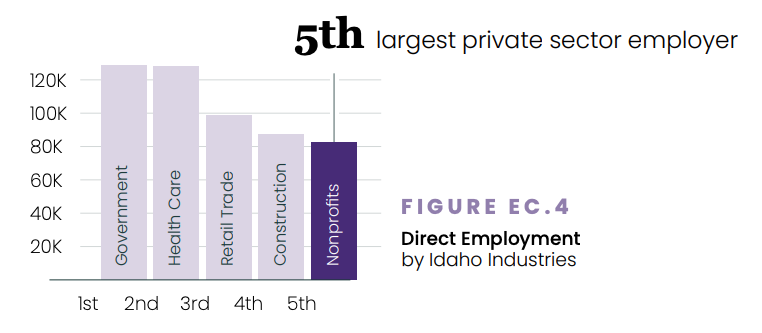
More than 81,000 Idahoans work for nonprofits, making the sector Idaho's fifth-largest private-sector employer. Collectively, nonprofits contribute $8.1 billion to Idaho's Gross State Product. These organizations are not simply charities operating on the sidelines of our economy. They are part of the infrastructure that makes our communities work.
But that infrastructure is under strain.
More than half of Idaho nonprofits reported serving more people than the year before. Fifty-one percent were unable to fully meet demand, 63% expect demand to continue increasing, and 43% dipped into cash reserves to cover costs. The report describes Idaho's nonprofit workforce as "dedicated (but weary)."
Those numbers should make all of us pay attention.
What does this look like in Bonner County?
We don't have to look very far.
Our community has an extraordinary number of organizations working on housing, hunger, seniors, youth, veterans, healthcare, arts, recreation, workforce development, domestic violence, transportation, disability services and countless other needs.
That abundance speaks volumes about the generosity and initiative of the people who live here.
But it also raises an important question:
Are we giving those organizations the infrastructure they need to succeed?
Every nonprofit needs more than its mission.
It needs internet. Accounting. Insurance. Technology. Meeting space. Marketing. HR support. Grant writing. Janitorial services. Administrative support. Volunteer coordination. Often, it needs office space, conference rooms, kitchens, storage, parking and equipment.
Today, many organizations are trying to build and pay for those systems independently.
At the same time, they are competing for many of the same employees, volunteers, donors and grants.
Perhaps the opportunity isn't simply to raise more money.
Perhaps we can make the money we already have work harder.
What if we shared more?
This is one of the questions driving our exploration of the Nonprofit and Economic HUB in Bonner County.
Imagine a collaborative, intergenerational campus where nonprofits, workforce programs, businesses, creatives and community members operate alongside one another.
Organizations could maintain their own missions and identities while sharing some of the expensive infrastructure underneath them.
A small nonprofit might not be able to employ a full-time bookkeeper, IT professional, grant writer or marketing specialist.
But what if ten organizations could share one?
What if organizations could access conference rooms, technology, training, volunteer pools and professional expertise without each having to recreate those resources?
What if retirees with decades of professional experience could mentor emerging nonprofit leaders?
What if internships, volunteer opportunities and community service became pathways into employment?
What if organizations serving the same families were separated by a hallway instead of miles?
That is when a building becomes more than real estate.
It becomes infrastructure for collaboration.
This is also a workforce conversation
The State of the Sector report makes another important point: nonprofit staffing is often dismissed as "overhead," when in reality the people delivering services are the mission.
That distinction matters.
The HUB isn't only about making rent more affordable. It is an opportunity to explore whether shared employment, stronger benefits, professional development and common services could help smaller organizations compete for and retain talented people.
It could also create new jobs in property management, maintenance, reception, technology, finance, administration and other shared functions.
In other words, strengthening nonprofits is also economic development.
From scarcity to capacity
The statewide report ultimately estimates that an additional $200 million in charitable investment could significantly strengthen Idaho nonprofits' ability to meet growing community needs. It concludes that sustaining the sector will require collective action, shared responsibility and sustained investment.
Those investments absolutely matter.
But here in Bonner County, I think we have an opportunity to ask another question alongside them:
What if we could increase capacity not only by putting more money into the existing system, but by redesigning some of the system itself?
That doesn't mean every organization belongs under one roof.
It doesn't mean every nonprofit should remain independent forever.
In fact, closer proximity and deeper collaboration may reveal places where organizations can share programs, combine operations, or even consolidate when it makes sense.
The point isn't to predetermine those outcomes.
The point is to create an environment where collaboration becomes easier than isolation.
The State of the Sector report says Idaho nonprofits are not lacking commitment. They are lacking resources.
Here in Bonner County, we have extraordinary people doing extraordinary work.
Maybe our next great investment isn't simply in another program, another campaign, or another individual piece of infrastructure.
Maybe it's in the ecosystem underneath all of them.
That's the conversation we're hoping to build through the HUB.
And if you're a nonprofit leader, business owner, donor, volunteer, retiree, young professional, community partner, or simply someone who believes Bonner County can work better together, we want you in it.
Want to be part of the hub Conversation?!