Giving North Idaho Kids a Safe Start
Brian Rauscher will be the first to tell you he did not plan any of this. A petroleum engineer by training, he went on a date in 2011 and ended up co-founding one of the most impactful child safety organizations in the Pacific Northwest.
On a recent episode of A Little Birdie Told Me, I sat down with Brian, director of operations for Safe Start, to talk about the work his organization is doing to keep infants and children safe across North Idaho and eastern Washington. What brought him to this work is a love story, a sense of purpose, and a wife named Liz who found her calling in the most heartbreaking of circumstances.
Liz lost her son Mason to an unsafe sleep accident in 2003. That loss became the foundation of everything Safe Start does. The organization she helped found, originally called Inland Northwest SIDS Foundation, eventually absorbed the organization she had first worked for, and Safe Start was born. Today it operates out of Coeur d'Alene with two and a half paid staff members and roughly 150 volunteers who make it all possible.
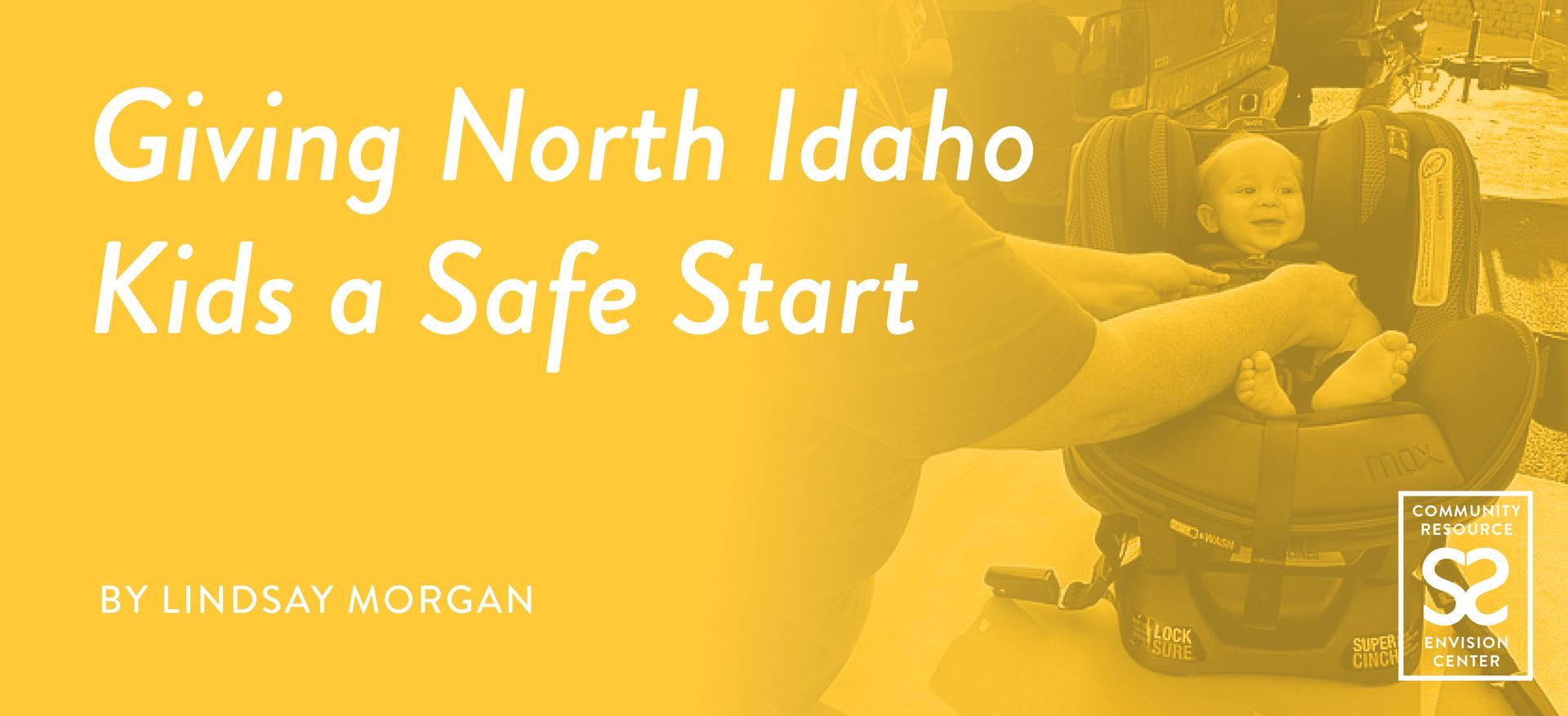
Safe Start does three things really well. First, they provide safe sleep education, following American Academy of Pediatrics guidelines for babies from birth to one year. Second, they run a child passenger safety program, educating families on car seat safety and distributing brand new car seats at no cost — 724 of them in 2025 alone, every single one accompanied by face to face education so families actually know how to use them. Third, through their Healing Together program, they support families who have experienced the loss of a pregnancy, infant, or child. It is hard, sacred work, and Liz leads it with the kind of grace that only comes from having lived through it herself.
What sets Safe Start apart is their mobile safety lab, called the REO (Rural Education Outreach) program — one of only two Buckle Up for Life mobile safety labs in the entire country, a collaboration between Cincinnati Children's Hospital and Toyota. Safe Start takes theirs to 16 rural communities across North Idaho and eastern Washington, from Bonners Ferry all the way down to Grangeville, setting up pop-up events with trusted local partners so families can pull up, get educated, and leave with a new car seat if they need one — no strings attached. The night before we recorded this conversation, Brian and his team had been in St. Maries, where they completed 37 car seat checks and distributed 26 brand new car seats in a single afternoon. He gave me those numbers first, fresh from the field.
The partnership piece is central to how the REO program works. Brian is clear that Safe Start does not parachute into communities and tell people what to do. They find trusted local partners first — a Head Start program, a tribal health specialist, a community health organization — and let those relationships lead the way. The ultimate goal is for each community to build its own capacity so that Safe Start eventually works itself out of a job in that area. That is the kind of program design worth paying attention to.
The story Brian shared about his wife Liz says everything about why this work matters. They were on vacation in Palm Springs, walking out the door to a comedy show, when a text came through on their 24/7 support line. A mother, ten days after losing her one-year-old daughter, wrote: I don't know how to keep breathing. Liz spent 45 minutes on the phone with her from the balcony of their condo. That is what Healing Together looks like in practice.
At the Community Resource EnVision Center, we believe that every family deserves access to the resources and support they need, and that the strongest communities are the ones where no one has to face the hardest moments alone. Safe Start is living proof of that every single day.
If you would like to get involved as a volunteer, or if your family could benefit from their services, visit nwsids.org. And if you are in the Coeur d'Alene area, keep an eye out for their annual Run for the Angels 5K, a beautiful community event that honors children who were lost too soon.
This post is based on a recent episode of A Little Birdie Told Me. Listen to the full conversation to hear more from Brian Rauscher.
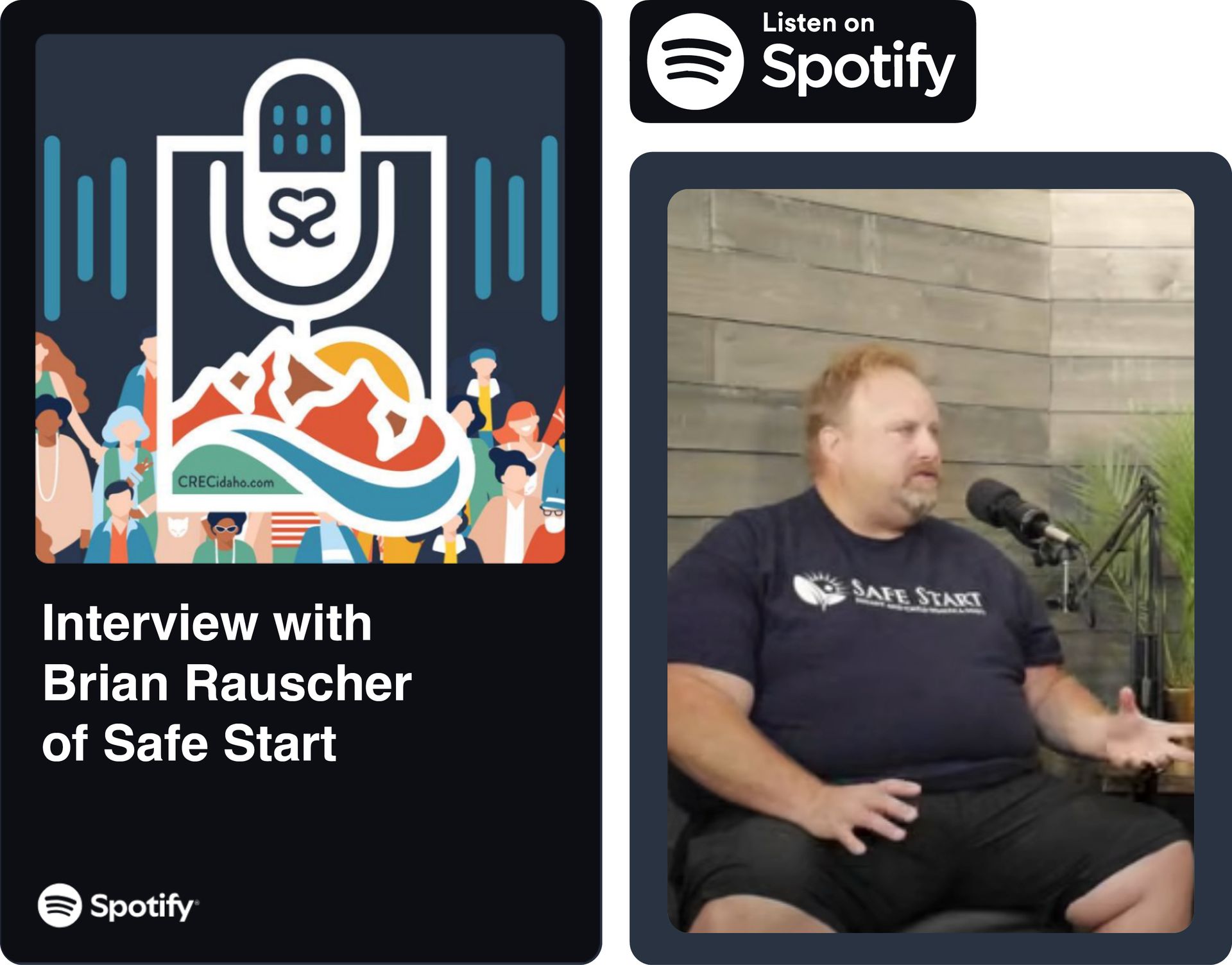
“We’re not a ‘Hey, you need a car seat, here you go, good luck.’ It is, ‘You need a car seat, we can hook you up — I got to show you how to use it.’” — Brian Rauscher
“It’s really important to us that these kids aren’t forgotten. Just because their lives were short doesn’t mean that they didn’t make a difference.”— Brian Rauscher
“It’s our program, but it’s community-led. The communities kind of tell us how we can best serve them.” — Brian Rauscher