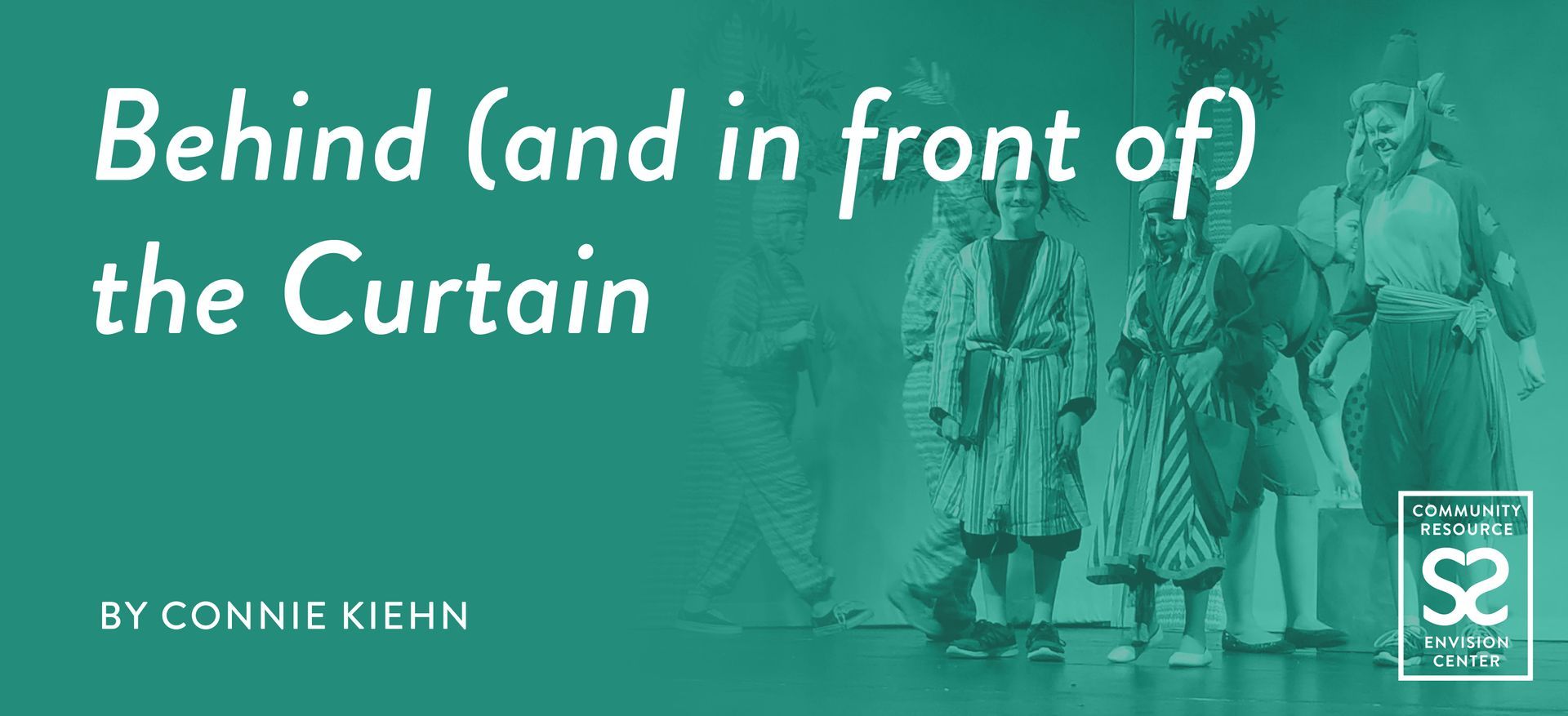
LPO Repertory Theatre (LPO Rep) and the Panida Theater are bringing kids center stage again this summer with a three-week youth theatre camp, designed to introduce young performers and backstage enthusiasts to the world of live performance.


Running from July 21 to August 9, the camp offers kids ages 8 to 17 the opportunity to rehearse, produce, and perform in a live stage adaptation of Three Musketeers and the Very Pretty Diamonds. The program concludes with two public performances: Friday, August 8 at 6:30 p.m. and Saturday, August 9 at 2:30 p.m. Both at the historic Panida Theater.


For just $150, campers get three hours of daily instruction from local theatre professionals. That includes acting, stage direction, props, costumes, and even lighting and sound design. 


“We hold auditions on the second day of camp and do cold reads, so no preparation is needed in advance,” says Nikki Luttman, board member of LPO Rep. “If a kid wants to be in the spotlight, great. If they’re more comfortable backstage, we’ve got a role for them too.”


Last summer’s production of Alice in Wonderland packed the house. 


“My daughter was the Mad Hatter,” Nikki recalls. “I thought maybe it’d be a small crowd—just us parents—but it was almost a full house every day. It was so fun to see.” 


Over 200 people attended each performance.


The camp is led by seasoned professionals, including director Aviana “Liz” Garcia—a trained theatre educator and accomplished actor, recently praised for delivering a standout performance in Steel Magnolias at The Panida. Liz also taught at Sandpoint Music Conservatory and previously directed Fiddler on the Roof.


“I can vouch for Liz’s education—we actually attended the same school,” Tim Bangle, Artistic Director of LPO Rep, explains. “I know firsthand the caliber of that program, and the training she received was intense and top-notch.”


For families unsure if their child is ready for the stage, organizers offer reassurance. 


“It’s often that those nerves are confused with excitement,” says Bangle. “That’s what I tell kids in film and theatre. You’re not scared—you’re thrilled. Just channel it.”


The camp runs weekdays from 1:00 to 4:00 p.m., a schedule that’s been designed to avoid conflicts with morning childcare or summer school. And while a meal isn’t provided, snacks and water breaks are built into the day. 


Enrollment is limited, and organizers expect the camp to fill quickly. 


“We still have a handful of spots,” says Robb Talbot, Executive Director of The Panida. “But last year we ended with a waitlist, so if you're interested, sign up sooner rather than later.”


The public is also encouraged to attend the performances, even if they don’t have kids in the show. 


“If you're excited this is happening and want to support the program, buying a ticket to one of the shows is a great way to help us keep doing this for years to come,” adds Nikki. “Ticket sales help us stay sustainable.” 


The camp is not a fundraiser, but it’s deeply community-supported. A $4,000 grant from the Idaho Community Foundation helped cover this year’s costs, though organizers noted they’ve worked with larger grants in the past. 


“We’re just hoping to break even this year,” Robb says.


Registration and ticket details can be found at panida.org/events. For questions, email panidatheater@panida.org or contact LPO Repertory Theatre via social media or their website.


And if you're wondering—yes, there's air conditioning.

Click to get tickets or register!
By Linnis Jellinek February 7, 2026
North Idaho has a new option for families seeking a high school that combines rigorous academics with intentional Christian formation: Valor Christian School in Sandpoint. Valor offers a learning environment designed to cultivate students’ minds while enriching their spiritual well-being, preparing them not just for a career, but for a life that seeks to glorify God in both challenging and prosperous times. Building a School from the Ground Up The idea for Valor began with a simple and obvious observation: the area lacked a local Christian high school. After founders Luke Patterson and his wife, Kiersten decided to pursue filling the gap, the next question was whether to start from scratch or build on an existing curriculum or school model. They decided to build from scratch. Starting from scratch allowed the founders to design the school intentionally. “We really wanted to take our time to evaluate what it is that we were going to build. Classical education is a big part of our focus, as well as worldview formation,” Luke explains. Dusty Smith, who joined Valor as principal at the beginning of its second year, was impressed by the attention to detail in a young school. “When I read through the website and some of the school documents, I was very impressed with the amount of detail that existed for a school less than a year old,” he says. Name and Mission: Why “Valor”? The name Valor was chosen deliberately. “Valor points first and foremost to courage. But it’s also about conflict. The conflict of values, vision, and purpose in our culture. We want to prepare students to live well in that conflict on behalf of truth, goodness, and beauty. That’s why forming habits of thought, communication, and moral character is so crucial,” Luke explains. Valor emphasizes that Christian values are not abstract or optional; they are anchored in Christ as the source of wisdom and knowledge. “Our students are learning that values are attributes of a person, not floating ideas. At Valor, we encourage students to submit to the Lord Jesus Christ in every area. That takes courage, self-sacrifice, and commitment,” Luke says. Community and Culture Though Sandpoint is a small town, Valor has found a strong base of support. Probably unsurprisingly to most, there is a larger demand here compared to other communities of similar size for an education that doesn’t follow the traditional public school model. “North Idaho families tend to be independent thinkers. Many feel a personal responsibility for their children’s education and want a school that aligns with their values and goals,” Luke says. The school even attracts families from outside the immediate area, including students commuting from just over the Montana border. Education with a Purpose At Valor, academics are inseparable from purpose. Luke emphasizes that the school’s Christian worldview shapes everything. “What is the purpose of life at all? That’s the core foundation piece. We believe the end goal of life is to glorify God and enjoy Him. Everything else is built on that,” he says. While college and career preparation are part of the picture, they are not Valor’s sole aim. College can be a noble goal, but the mission of Valor is not limited to, or even prioritizing college prep. The school seeks to impact other aspects of life that are equally, if not more, meaningful than earning a college degree. Dusty notes that this broader perspective is part of Valor’s appeal to parents. Families in this area often come from a homeschooling background and are looking to transition their students into a school where the teachers know their child, are teaching in a biblical worldview, and provide academic expertise in subjects that may be more challenging for a home educator. What Is Classical Education? A hallmark of Valor is its classical education approach, which emphasizes wisdom, critical thinking, and deep engagement with ideas. Valor staff place great value on the lessons of the past. In a culture that often seeks to disconnect from history, Valor intentionally leans into the wisdom of civilization’s foundations, drawing from original philosophers, early church fathers, and forefathers across disciplines. Students engage directly with the source material, reading original texts in full rather than summaries. “Classical education helps students learn how to learn. The content is a tool for teaching thinking skills: reading, writing, debating, and connecting ideas across subjects. Students learn to evaluate knowledge, consider different perspectives, and think critically about what they read,” explains Dusty. This approach aims to build not only knowledge but also the ability to reason, communicate, and engage thoughtfully with the world. Valor sees itself as an extension of the family and church, partnering with parents in the spiritual and moral formation of their children. They view themselves as a tool in the hands of parents. The idea being that a student can’t be fully transformed just by what they’re learning at school. School lessons need to mirror what they’re being told at home and at church. Valor wants to partner with parents who share the same goals for their students. Valor’s enrollment window opens each February, starting with returning families. The process includes an online application followed by an interview with the principal. Prospective students may even spend a day in classes to experience the school firsthand. Tuition rates for the 2026/27 school year will be published in February, and scholarships are available to make the school accessible to more families.  Valor Christian School isn’t just a high school. It’s a vision for a community of learners who are intellectually curious, morally grounded, and prepared to engage the world with courage and wisdom. Families interested in enrollment, scholarships, or visiting the campus can find more information on Valor’s website .
By Linnis Jellinek February 7, 2026
The Pend Oreille Arts Council (POAC) has long been a hub for creativity, connecting artists, students, and the wider community through exhibitions, performances, and educational programs. Whether you’re an aspiring artist, an art lover, or just curious, POAC offers a wide range of opportunities to engage with the arts. Supporting Artists at Every Stage POAC supports artists at every stage of their journey. Even those who may be hesitant to share their work will find support and encouragement. “Artists can drop off their work and leave. We’ll hang it, handle promotion, and just trust the process together,” explains Arts Coordinator Claire Lutz. This philosophy removes the pressure from the creative process, allowing artists to focus on what they do best: creating. Whether it’s a single piece in a group show or a solo exhibition, POAC provides a platform for local talent to shine. POAC’s commitment to the arts goes beyond visual media. The council also sponsors performing arts events, bringing music, theater, and interactive performances to venues like the Panida Theater and The Hive. These events are often tied to educational programs, allowing students and community members to experience live performance in an accessible way. Bringing Art to Kids Education and community outreach are at the heart of POAC’s mission. Through the Kaleidoscope program, volunteers visit 5-6 local elementary schools each month, teaching art lessons to students who might not otherwise have access to creative instruction. Claire notes, “Volunteers don’t have to be professional artists; they just need to care about art and working with kids.” By providing supplies, curriculum, and training, POAC empowers volunteers to make a meaningful impact while inspiring a new generation of young artists. These lessons are often the only formal art instruction the students receive, making the program a vital part of their educational experience. We’ve written about their Kaleidoscope art program that you can read about here. A Class for Every Interest For adults and youth, POAC offers a diverse range of classes and workshops. From oil painting and sculpture to creative, multi-medium sessions, there’s an opportunity for everyone to explore and develop their skills. “You can do a one-off project or commit to a longer-term class to really develop your skills,” Claire says, highlighting the flexibility that allows everyone to find a class that fits their interests and schedule. For newcomers and long-time residents alike, POAC is more than a gallery or performance venue. It’s a space where community and creativity meet. With exhibitions, performances, classes, and outreach programs, the Pend Oreille Arts Council continues to make a meaningful impact on the community, bringing art to life, inspiring creativity, and fostering a thriving cultural landscape.
EnVision Center News with Cherie Warber and Joyce Price from the Community Assistant League
By Linnis Jellinek January 16, 2026
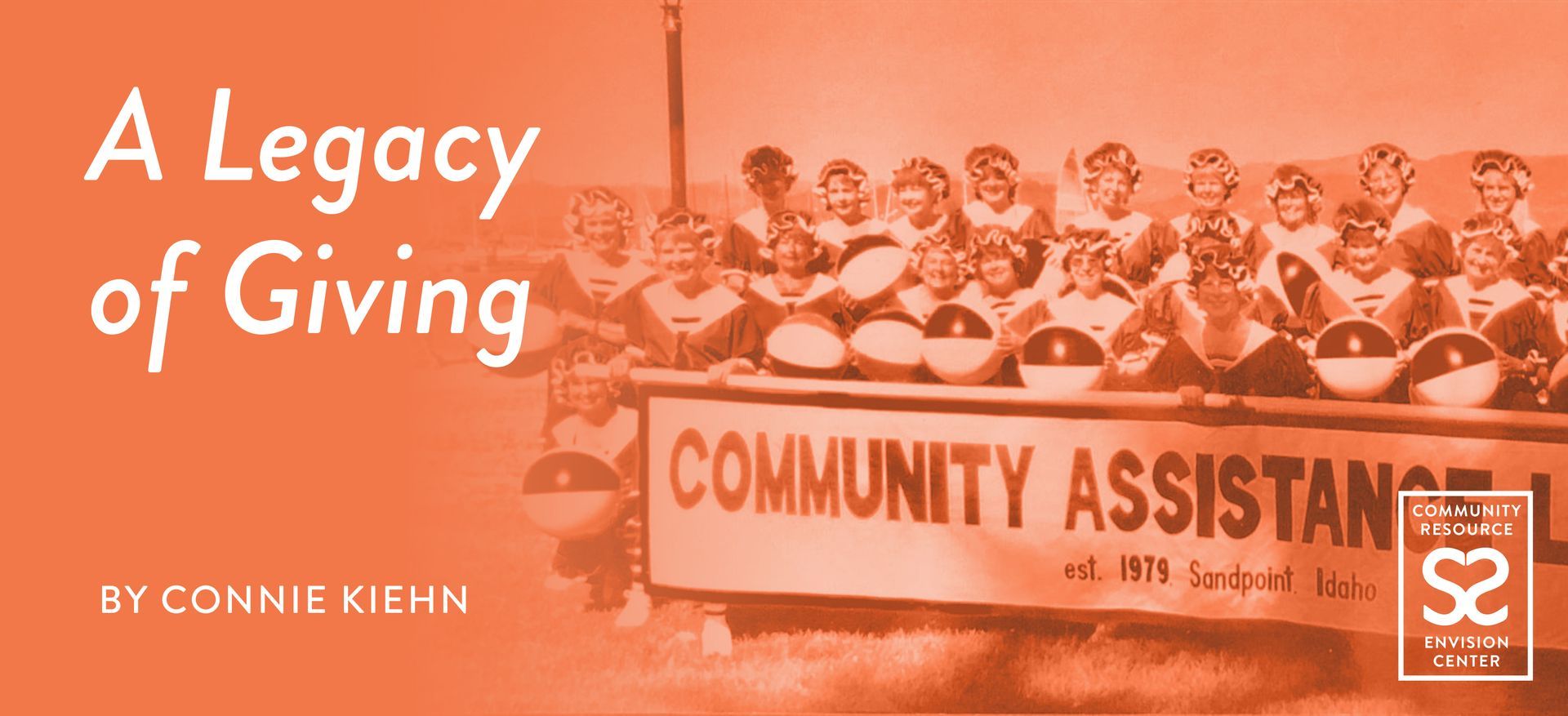
For more than 45 years, Community Assistance League has quietly strengthened Bonner County through grants, scholarships, and volunteer-powered generosity—led by members who serve with heart.
A Lifeline for Caregivers in Priest River Bobbie Moss & Traci Conrad from Priest River Senior Center
By Linnis Jellinek January 16, 2026
In Priest River, two dedicated women are strengthening community through the local senior center—creating connection, meals, and vital caregiver support in a town where belonging matters.
Jody Azevedo from Numerica Credit Union
By Linnis Jellinek December 30, 2025
A lifelong Sandpoint local, Jody Azevedo shares her 22-year journey at Numerica and how purpose-driven corporate giving is investing millions into kids, literacy, and community impact across North Idaho
By Linnis Jellinek December 30, 2025
From hospice care to last wishes, Tiffinay Vargas founded One More Time to help adults facing life-limiting conditions create meaningful moments of joy, connection, and legacy across North Idaho.
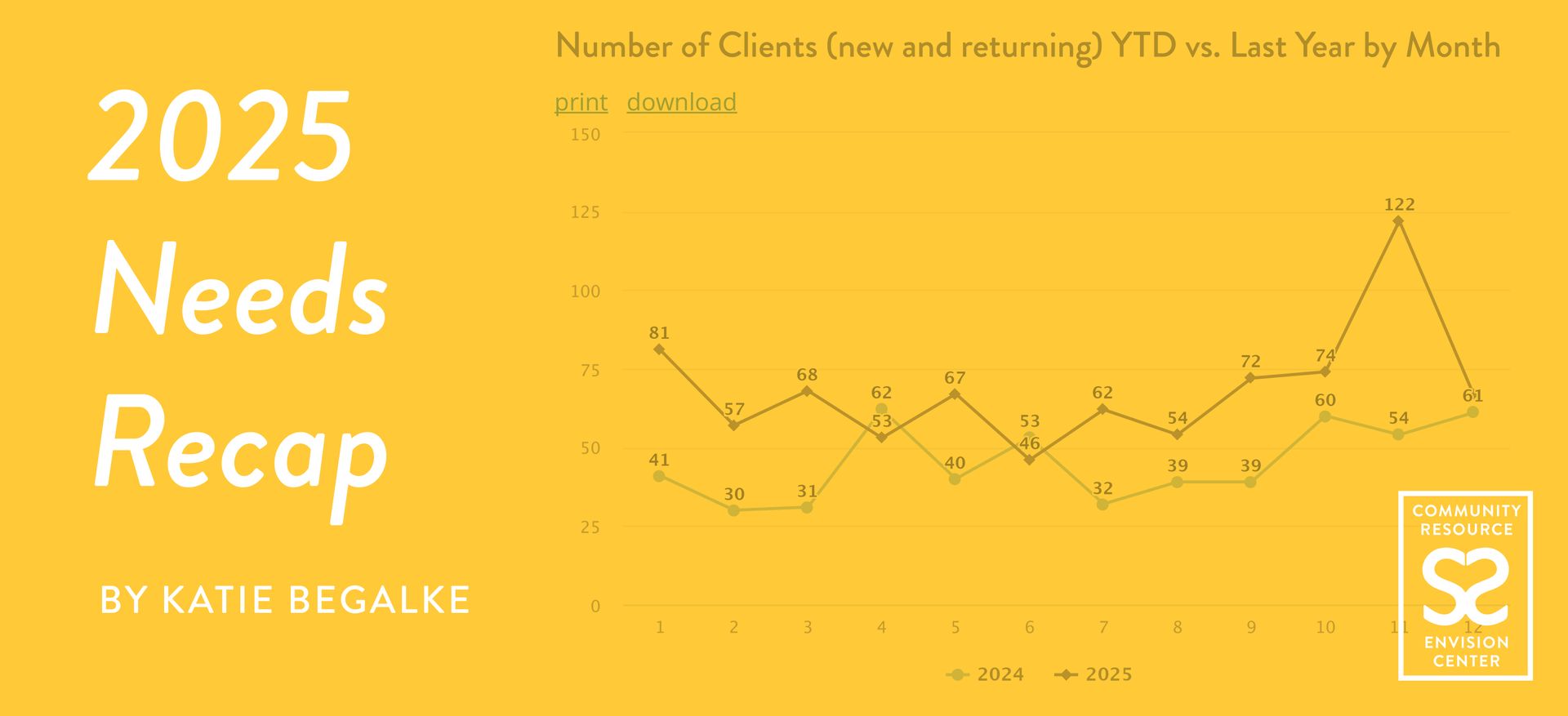
2025 Bonner County Community Needs Recap
By Linnis Jellinek December 30, 2025
What We're Seeing in Our Community A snapshot of the challenges our neighbors are facing and why coordinated, compassionate support matters now more than ever. Every day, neighbors walk through our doors carrying more than one challenge. Housing instability often sits at the center of what we see, touching everything from utilities and food access to health and employment. Seniors make up a significant portion of those seeking support, many living on fixed incomes while trying to navigate rising costs and complicated systems without family nearby. At the same time, more working individuals and families are reaching out. They are employed, yet still struggling to keep up as wages fall behind the cost of living. What makes these situations especially difficult is not just a lack of resources, but the complexity of navigating them. Most people are not facing a single issue. They are juggling multiple, overlapping challenges at once. Phone calls go unanswered. Paperwork is confusing. Eligibility rules change. This is where in-person, relational support matters most. Someone to listen, help untangle systems, and walk alongside a neighbor until solutions are found. The growing number of people we serve reflects both rising need and growing trust. More neighbors know they can come here and be met with dignity, care, and coordination. These patterns reinforce why shared space, collaboration, and accessible support are essential, and why we are working toward a future where services are easier to find, less fragmented, and more human.
By Linnis Jellinek December 10, 2025
Sandpoint is a beautiful place. Charming, clean, and quite prosperous on the surface. But behind those postcard views, many families are quietly struggling. Housing costs have soared. Service wages have not kept pace. Dozens of children live in motels or RVs. Others stay with relatives or couch surf with friends. The poverty here is often hidden, but the hunger is real. Food For Our Children (FFOC) was created to make sure local kids do not fall through the cracks. For more than a decade, this volunteer-powered nonprofit has made sure children across Bonner County have enough to eat, both on school days and during the weekends when school meals are unavailable. Jamie Schlehuber is a retired junior high and high school teacher who moved to Sandpoint full-time after retiring. Looking for a meaningful way to give back, she connected with FFOC through a friend on the board. Today she coordinates directly with schools, manages the weekly food bag program, organizes volunteers, and keeps track of individual school needs. "I really understand the value of kids getting food and what a difference it makes for the kids and how they're able to learn,” says Jamie. Judge Barbara Buchanan is a longtime Sandpoint resident and recently retired district judge who continues to serve as a senior judge for part of the year. When she retired, she knew she wanted to spend more time giving back. She joined the board early on and has helped guide the organization ever since. Is Hunger Really That Big of a Problem Here? Yes. It is simply less visible than in other places. Many families live in older motels, RV parks, small apartments, or unstable housing situations. A two-bedroom apartment in Sandpoint often costs $1,500 a month or more. The middle class is shrinking, and many working families are caught between high costs and limited income. Kids who appear fine at school may be facing food insecurity at home. “When I talk to friends and different people out in the community, they have no idea that there's this need. I think that's a part of it is just trying to get the word out that there is a need here,” says Jamie. What Food For Our Children Does Many people assume the group simply provides food for kids, but the scope is much larger. The mission is carried out through three major programs. 1. Weekend Food Bags Every Wednesday morning, about 10 to 15 volunteers gather at the Bonner County Food Bank to assemble weekend food bags. The group delivers over 550 bags across the school district. Some weeks, it is slightly fewer, but the trend continues to rise. Each bag contains two breakfasts, two dinners, two apples and additional nutritious items that children can prepare safely on their own. No child has to prove they qualify. If a student wants a bag, the school gives it to them discreetly. Delivering these bags requires its own team of volunteers. Farmin Stidwell Elementary alone receives 177 bags each week. 2. Weekday Snacks for Classrooms There was a time when teachers were paying out of pocket for snacks because hungry kids could not focus or learn effectively. After learning about this, FFOC began supplying schools with nutritious snack options so teachers no longer have to cover the cost themselves. “Kids can’t learn when they’re hungry,” says Barbara. 3. School Meal Subsidies This is the fastest growing part of their mission. After COVID ended and Idaho went back to traditional federal meal qualifications, many families found themselves earning slightly too much to qualify for free or reduced meals, but not enough to stay ahead of rising costs. Food For Our Children created a subsidy program to fill that gap. In the first year, they supported families in the Lake Pend Oreille School District who were within 10 percent above the income threshold. Last year they increased it to 20 percent, where it remains this school year. Next year, FFOC hopes to increase that amount to 50 percent due to a historic partnership with the Kinderhaven Foundation and the Lake Pend Oreille School District. Within days of recording this podcast, the Kinderhaven Foundation announced that it was awarding FFOC a two-year grant totaling $372,000 to help pay for school meals. Food For Our Children is now embarking on a campaign to raise enough money to match Kinderhaven's grant with the goal of providing affordable school meals for students from the lowest 50 percent of household incomes in the school district. Why They Do Not Accept Food Donations All the food that FFOC delivers comes through Second Harvest , a large nonprofit distributor that supplies USDA approved, shelf stable food bags. The bags have remained five dollars each, a remarkable achievement considering rising food and shipping costs. Food For Our Children adds apples to ensure every child receives something fresh. Because of safety and nutrition requirements, FFOC cannot accept food donations from the public. Food For Our Children also takes into consideration the age of the child receiving the bag of food. Everything must be safe for young children and easy to prepare without the risk of burns or injury. Older students receive XL bags with items that need to be prepared on a stove such as chili mac and pasta. How the Organization Is Funded Food For Our Children is completely independent from the food bank. Funding comes from individual donors, grants, the annual wine gala and auction, business partners, and school sponsorships. A major point of pride is that 100 percent of public donations go directly to feeding children. The eight-person board covers all overhead costs themselves, including supplies and administrative needs. “We have a working board. So, everybody does a little bit of everything,” says Jamie. Donors can choose what their gift supports. They can give to the weekend bag program, classroom snacks, meal subsidies, or adopt a specific school. Several businesses and individuals have already adopted schools, though Farmin Stidwell, being the largest, still needs a sponsor. How to Help Weekly bag packing happens every Wednesday at 9:30 a.m. and takes about an hour. People show up when they can. Delivery drivers are always needed, especially for larger schools. Volunteers also assist with the annual gala by helping with food service, pouring wine, and providing safe rides home. The board is a working board. Members take on significant tasks such as grant writing, bookkeeping, fundraising, coordination, and event planning. You can donate, volunteer, adopt a school, or simply help spread the word. Visit: foodforourchildren.org Even sharing the story helps people understand a need that is often invisible in our community.

Jacci and Jake Humble from Humble Hillside Farm Maternity Home
By Linnis Jellinek December 9, 2025
Discover how Jacci and Jake Humble turned heartbreak into purpose, creating Humble Hillside Farm Maternity Home to provide safety, support, and hope for pregnant women in crisis.
Jennifer Owens of Choice Armor Insurance supports seniors.
By Linnis Jellinek December 9, 2025
Meet Jennifer Owens of Choice Armor Insurance, whose faith-driven service supports seniors across North Idaho with compassion, advocacy, and hands-on help.